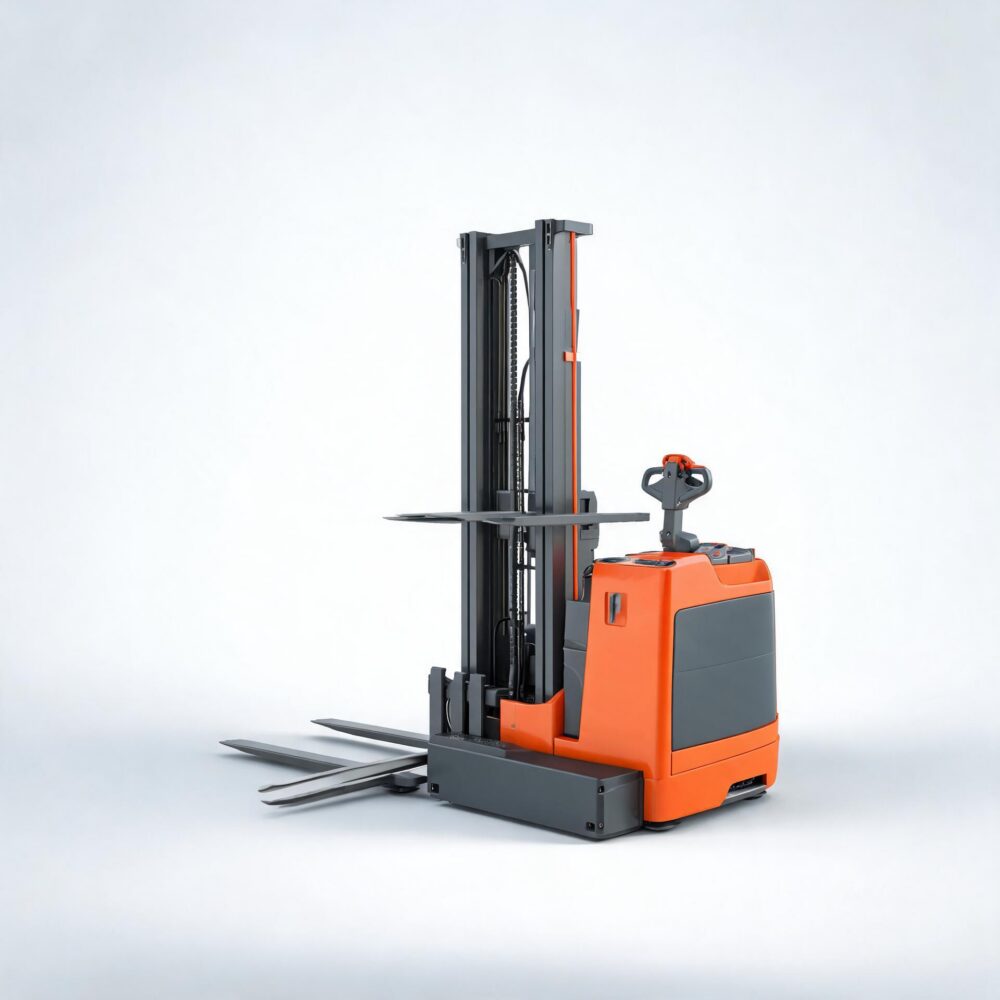
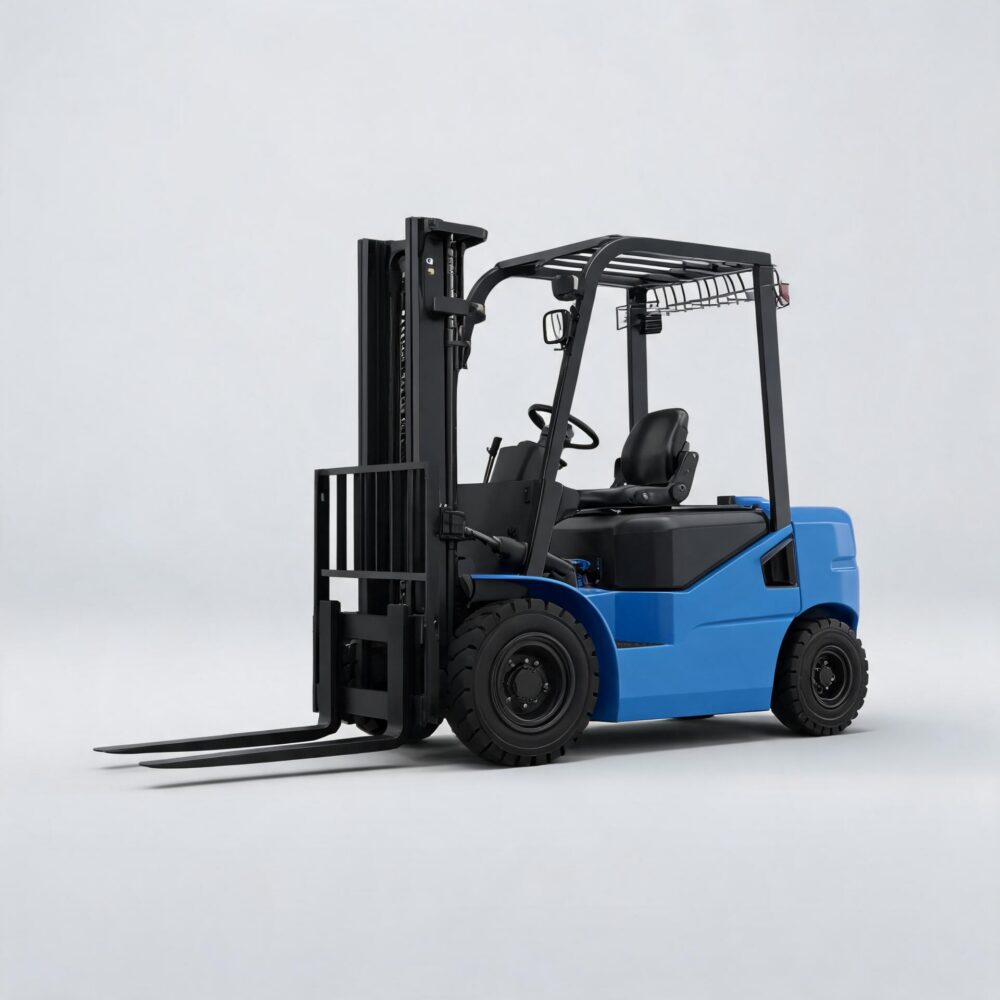
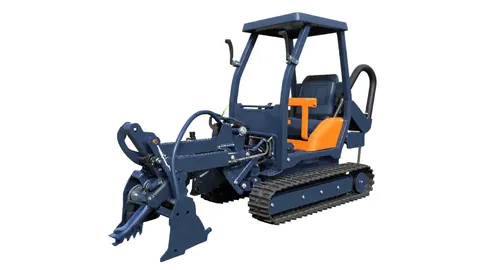
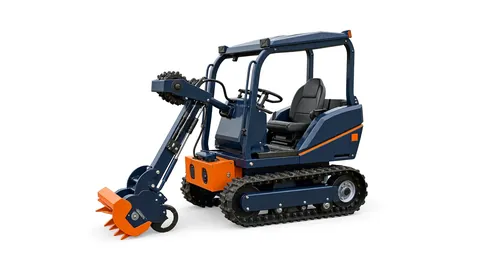
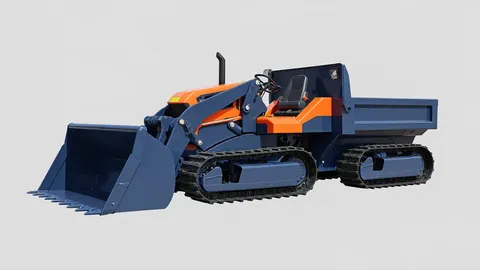
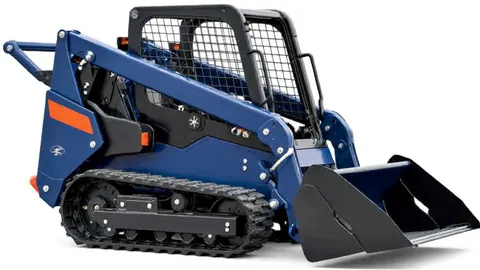
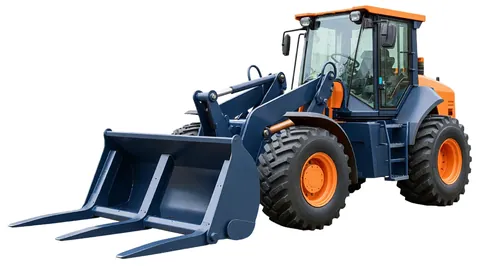
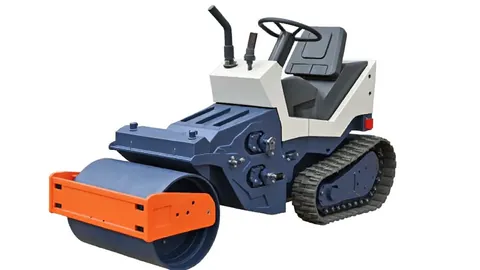
ONE PROJECT / MULTIPLE EQUIPMENT NEEDS
Build a shortlist around your work
Choose the separate equipment models that fit the tasks in your project. Share quantities, destination and the equipment already in your fleet in one enquiry. Final model, configuration, availability and compatibility are confirmed in the written quotation.
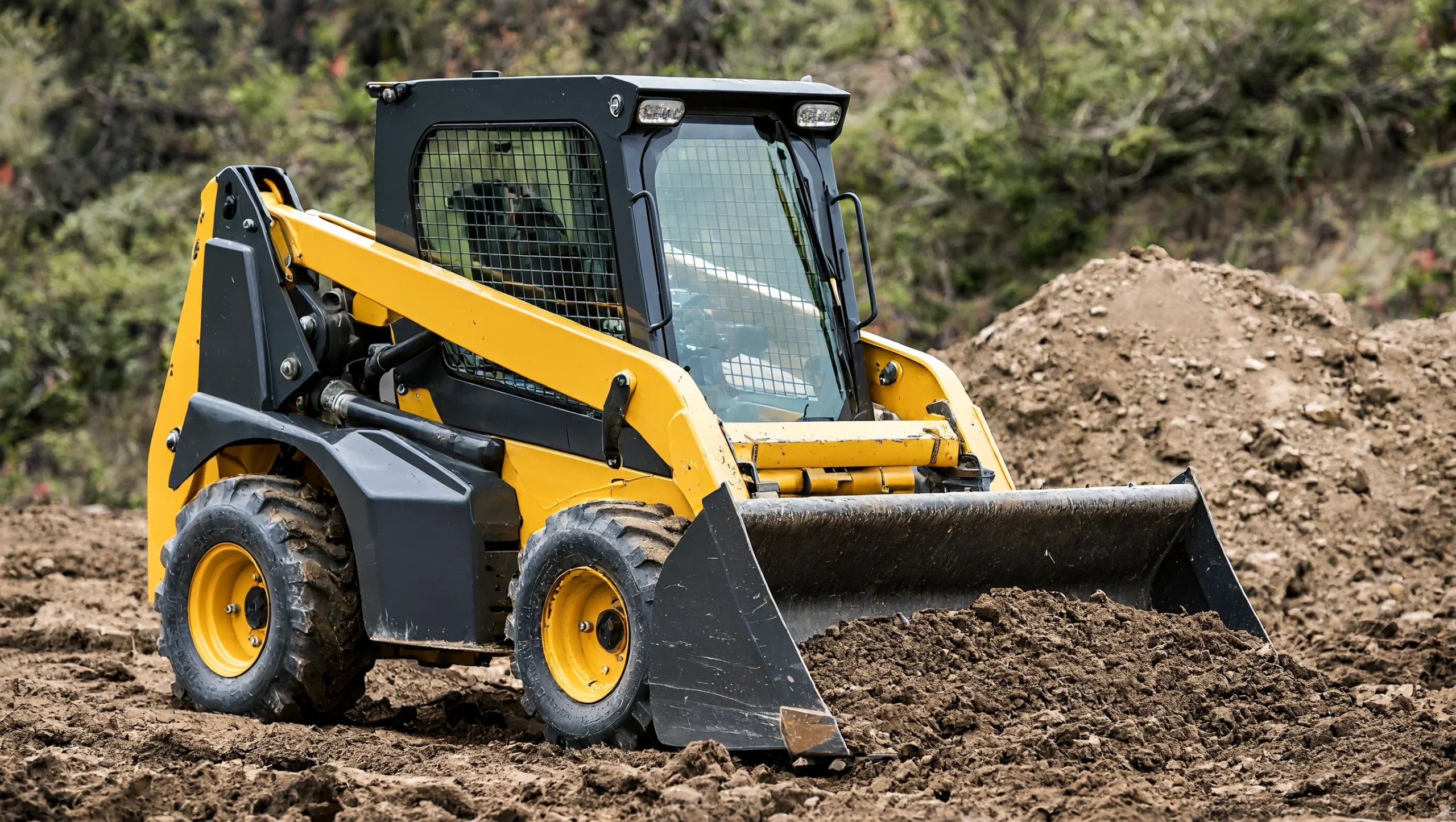
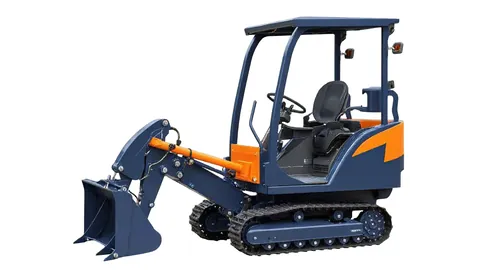
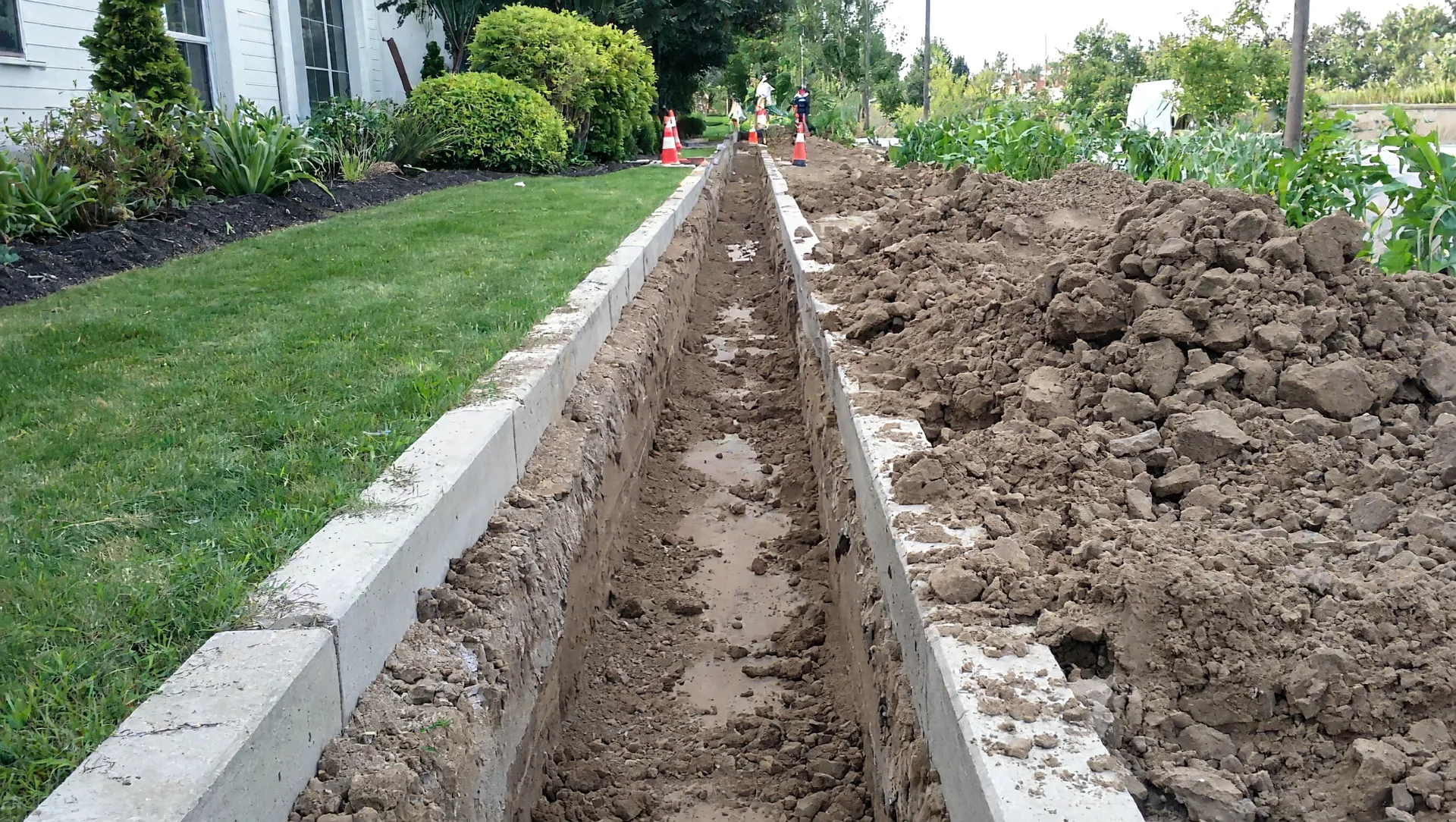
Trenching and installation
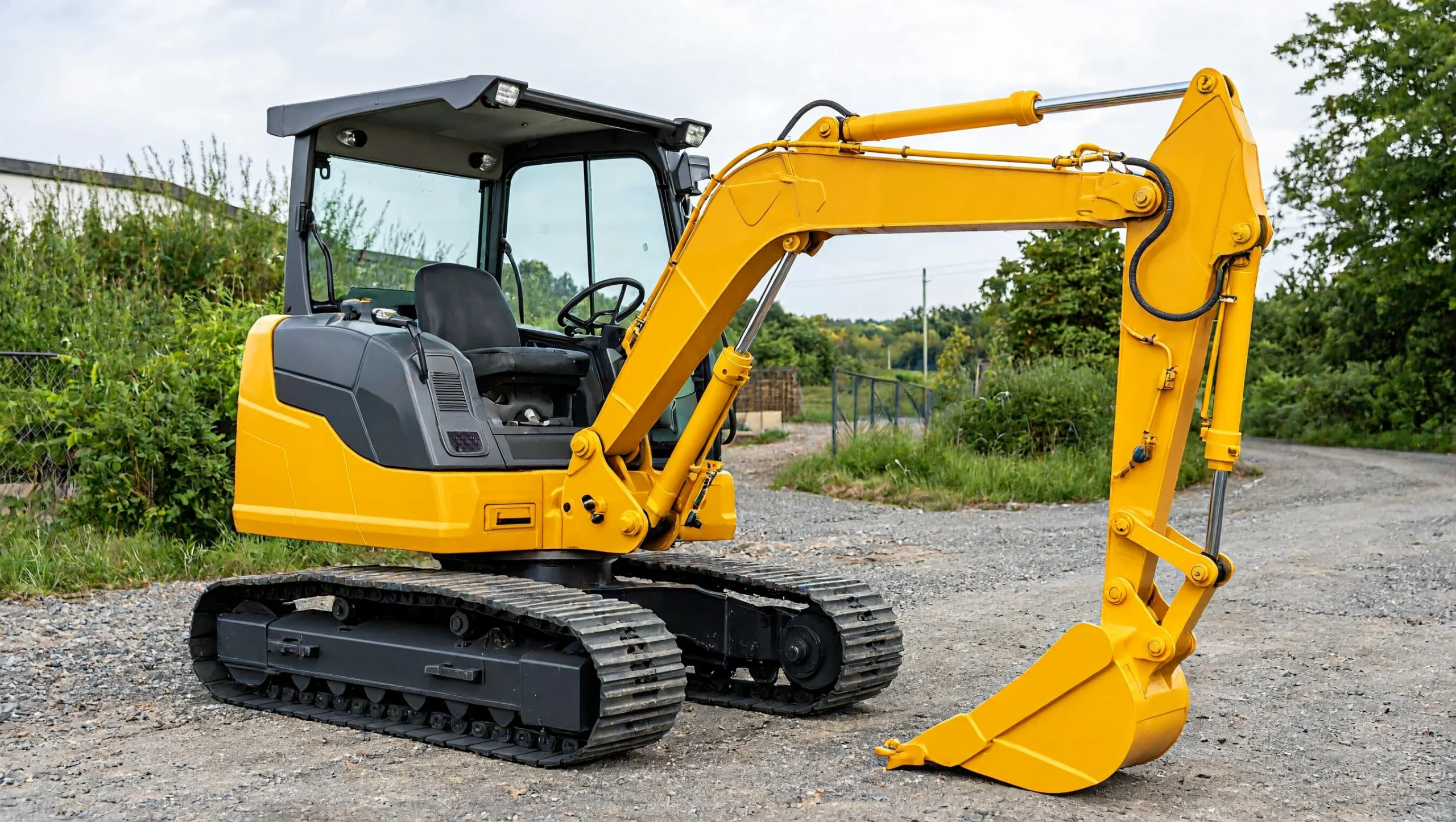
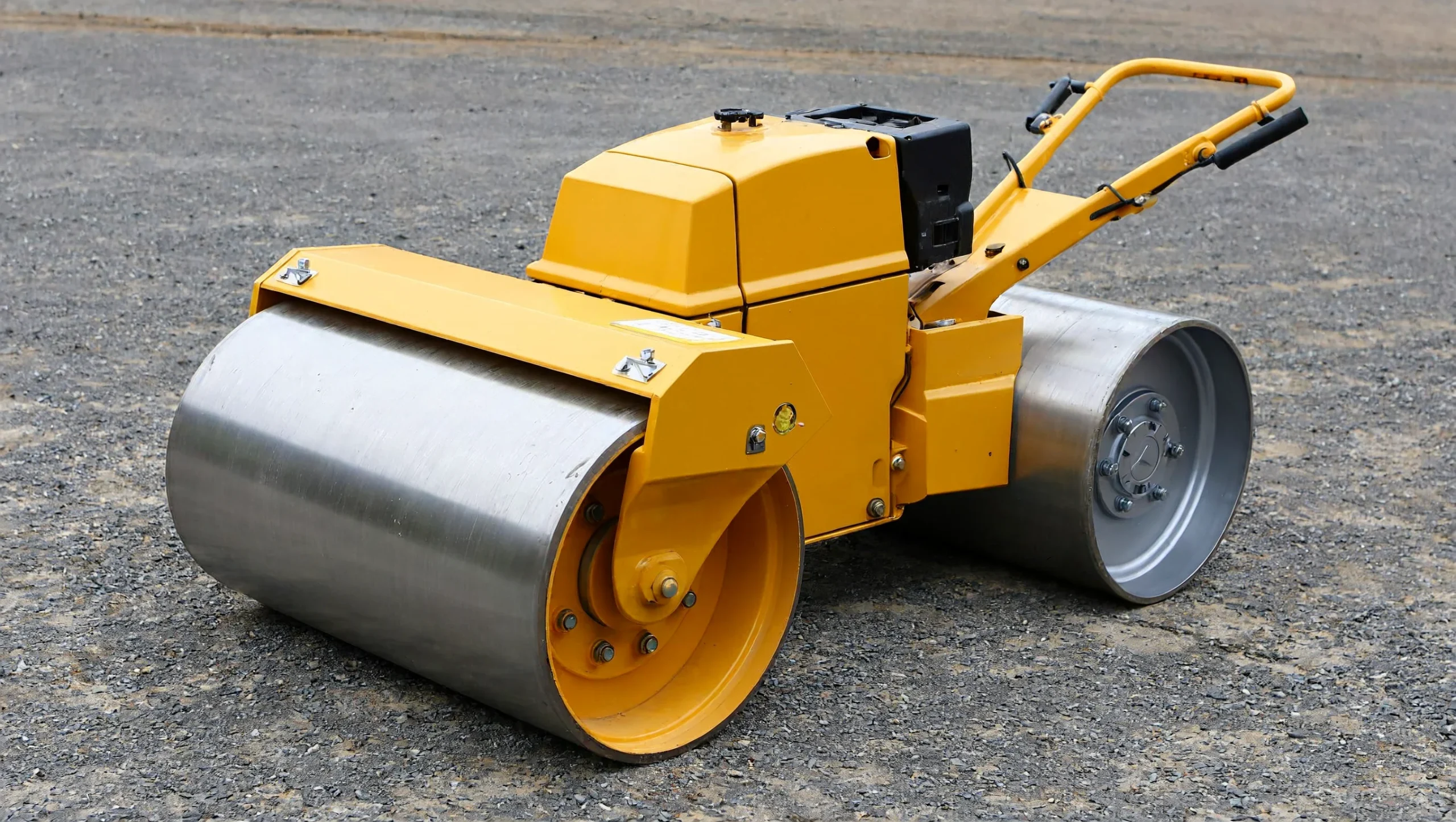
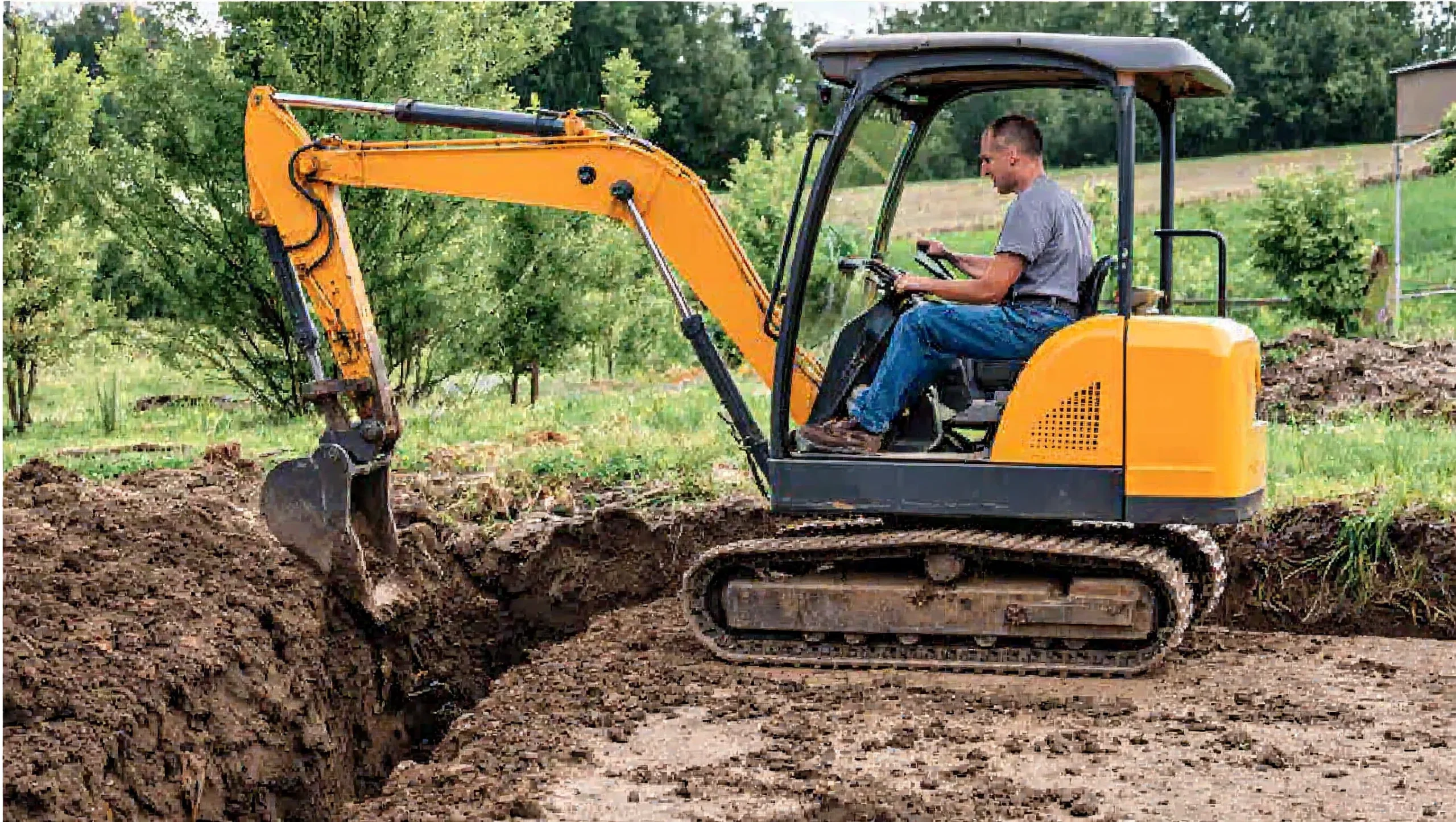
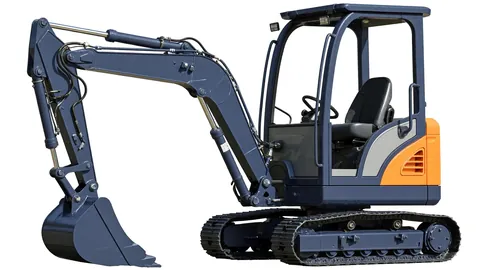
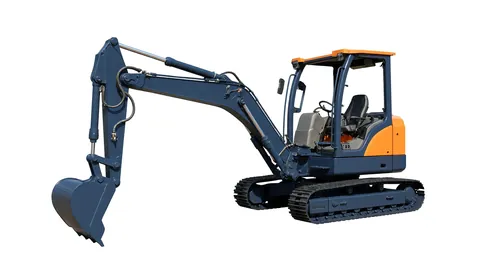
Excavation and ground work
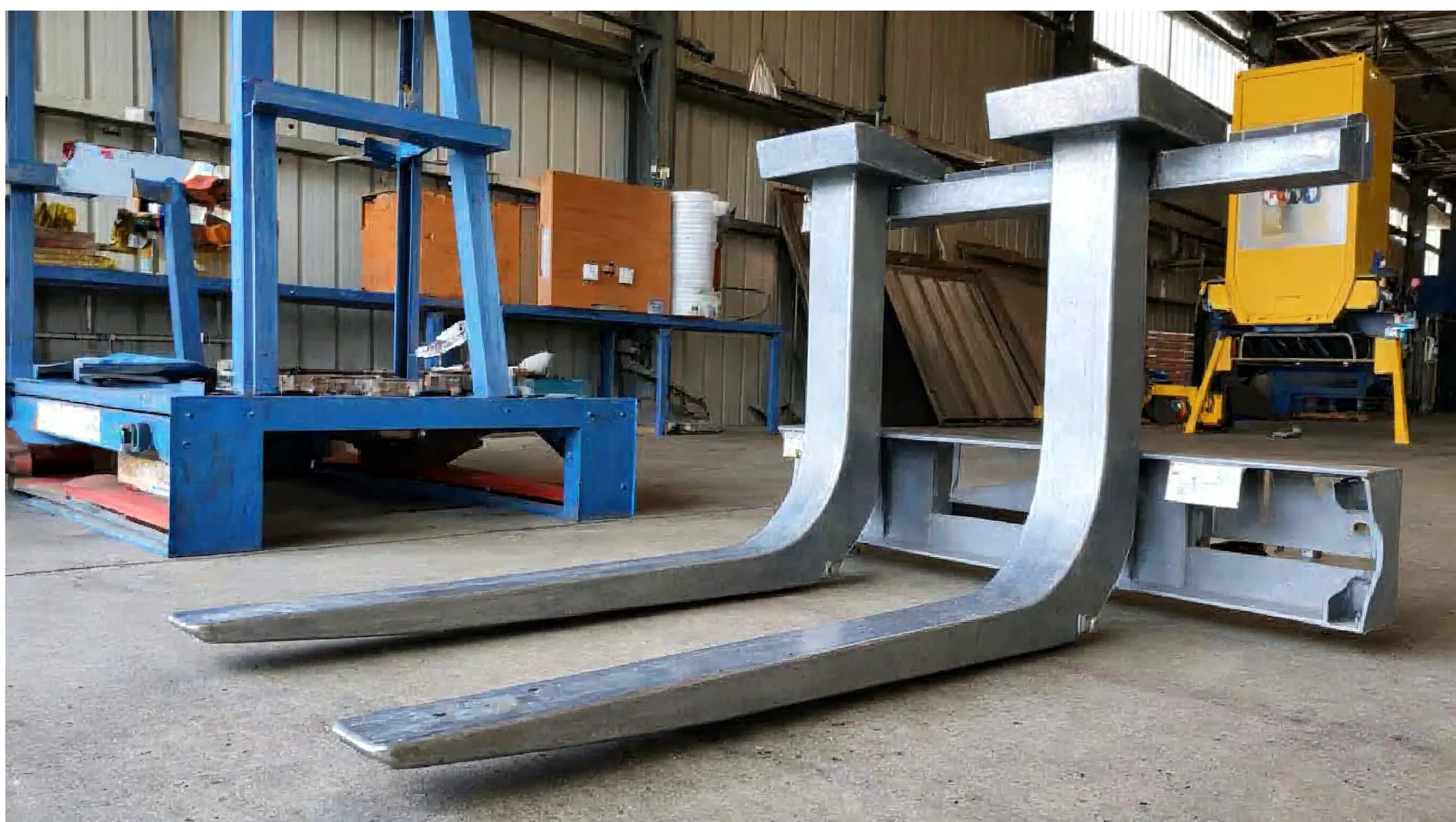
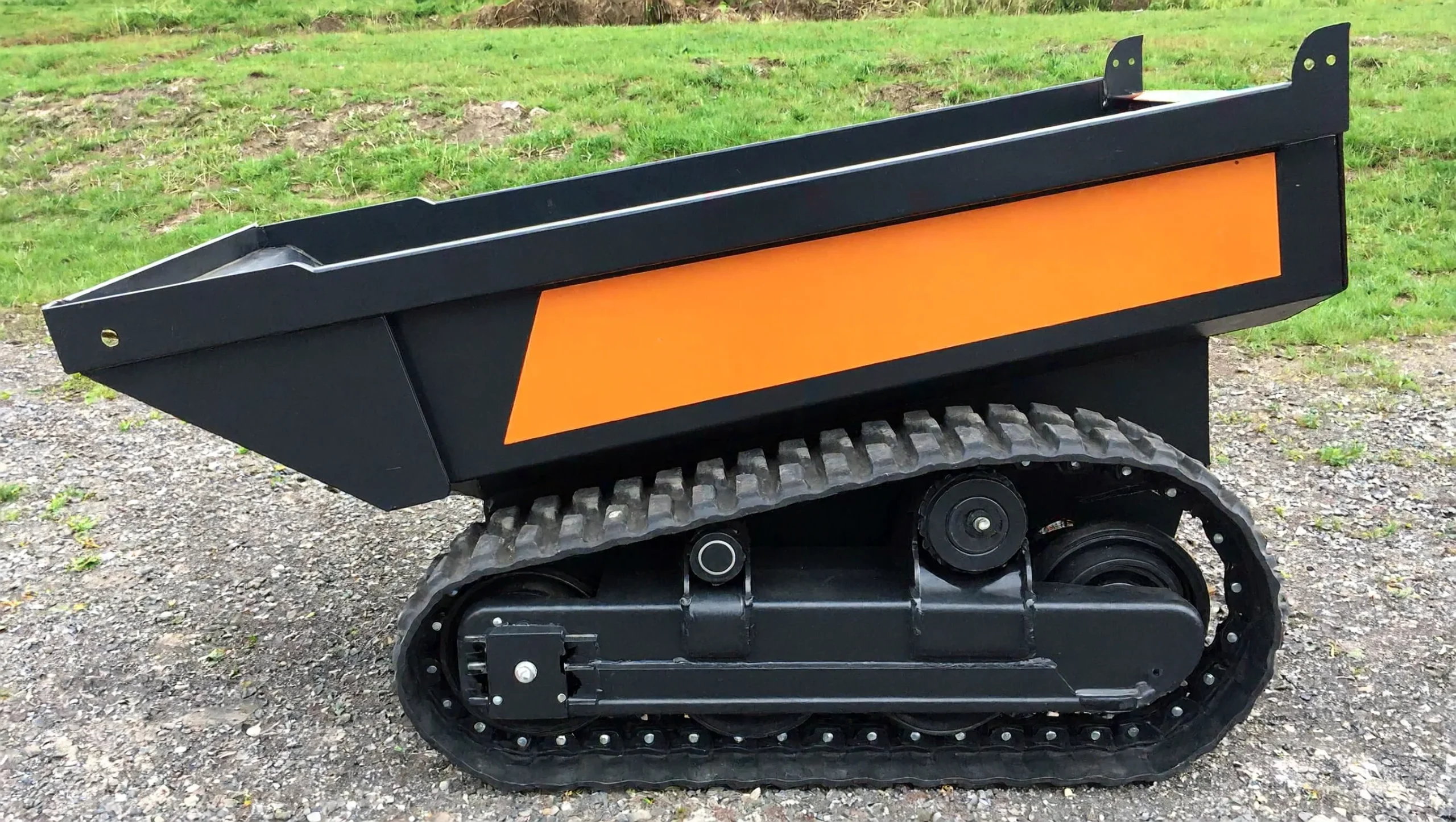
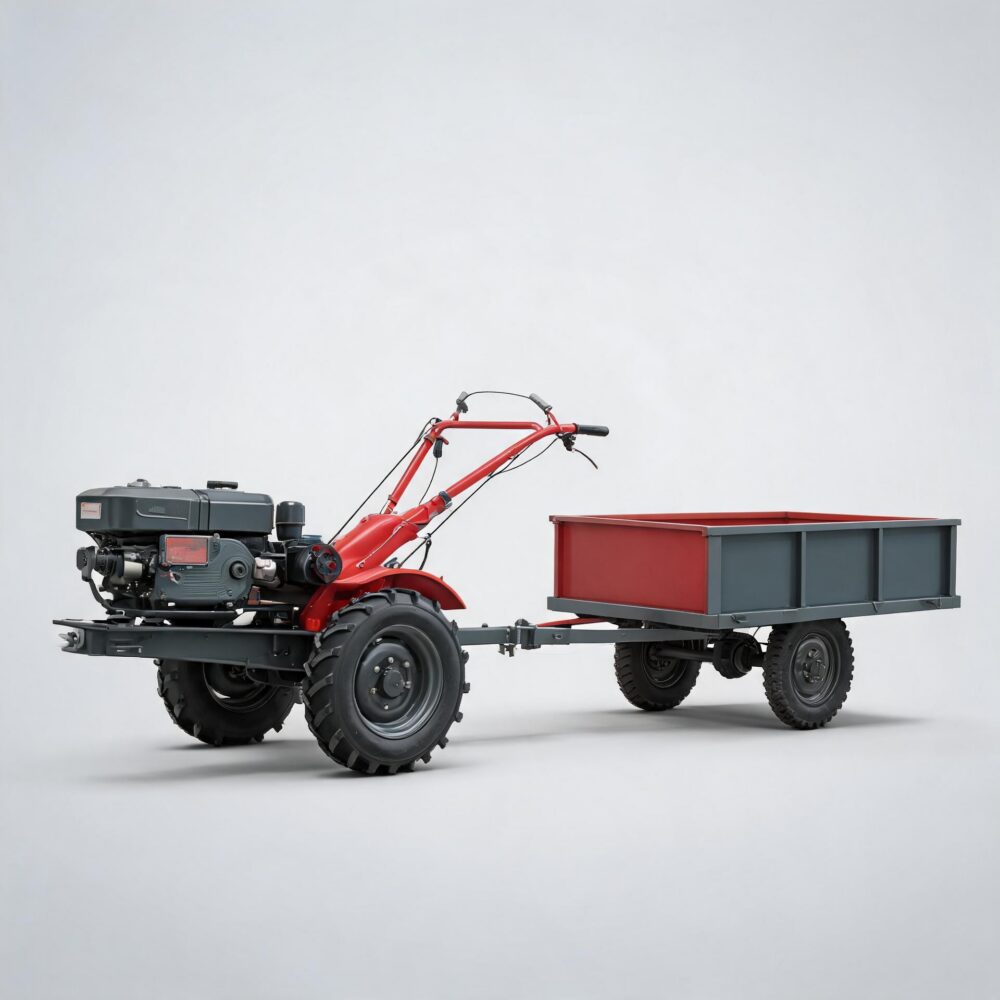
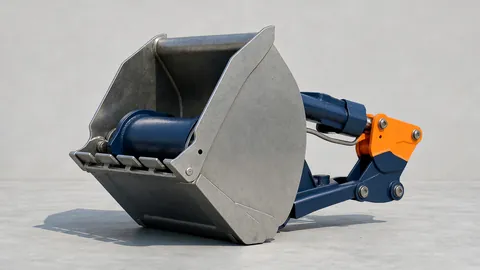
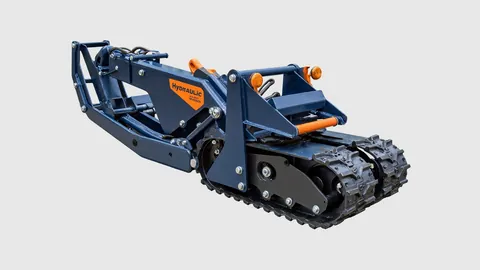
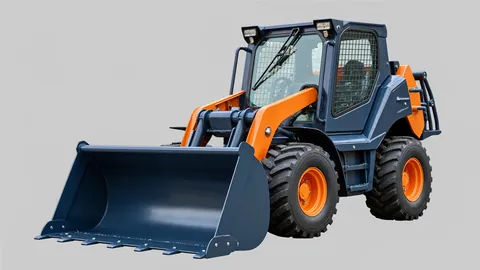
Material transport and handling
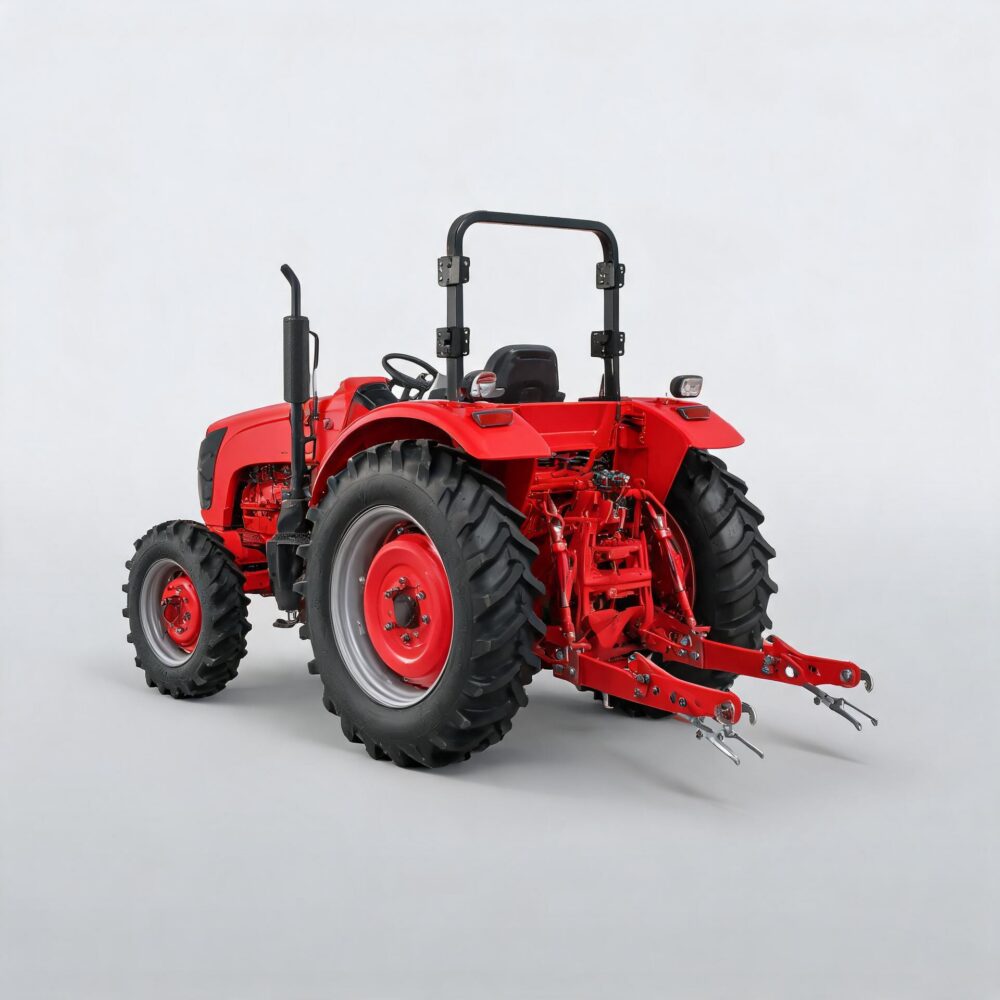
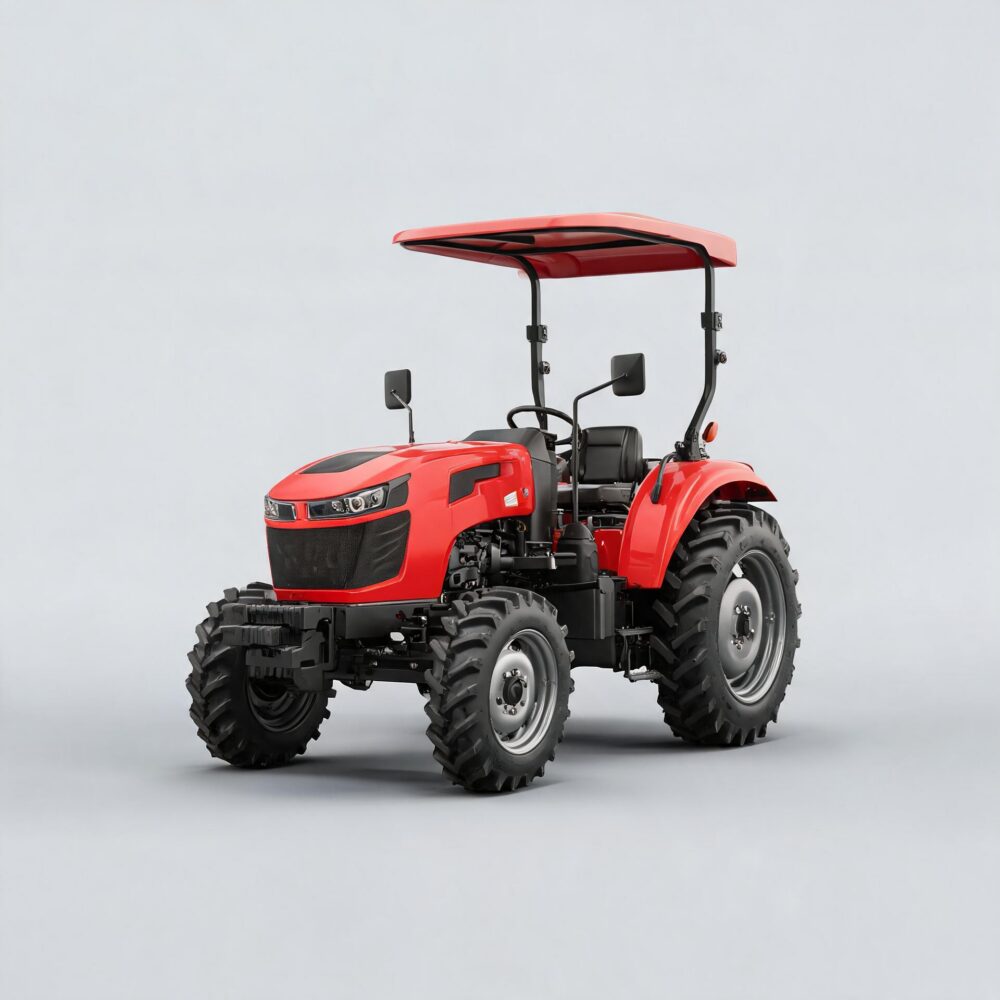
More equipment choices: Tractors and transport
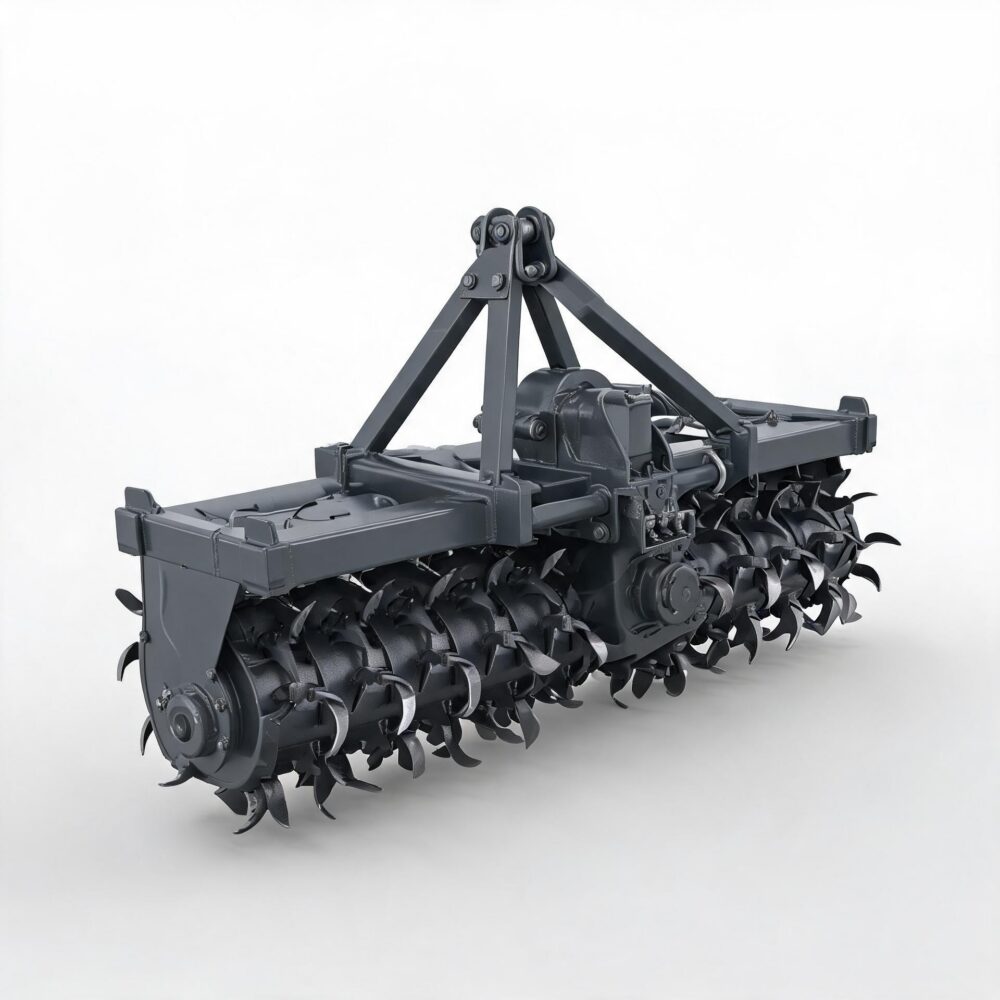
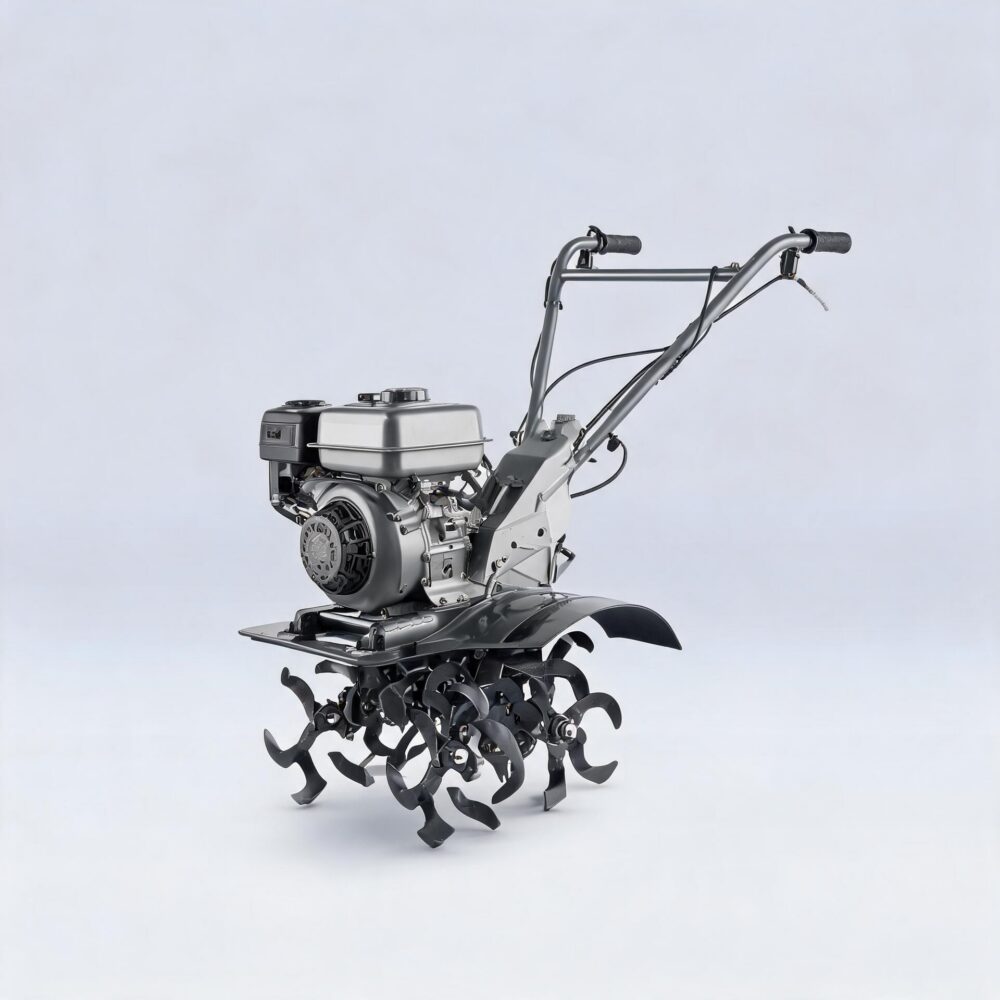
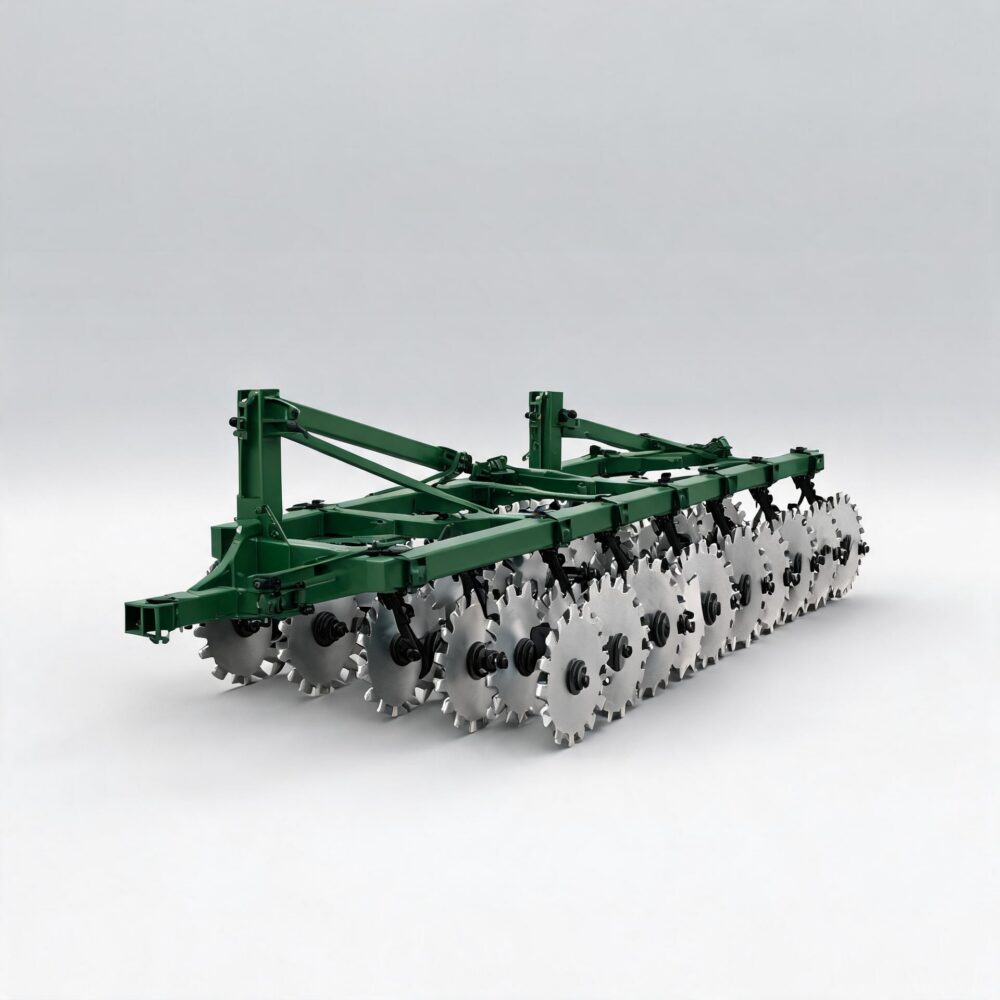
More equipment choices: Tillage and ground preparation
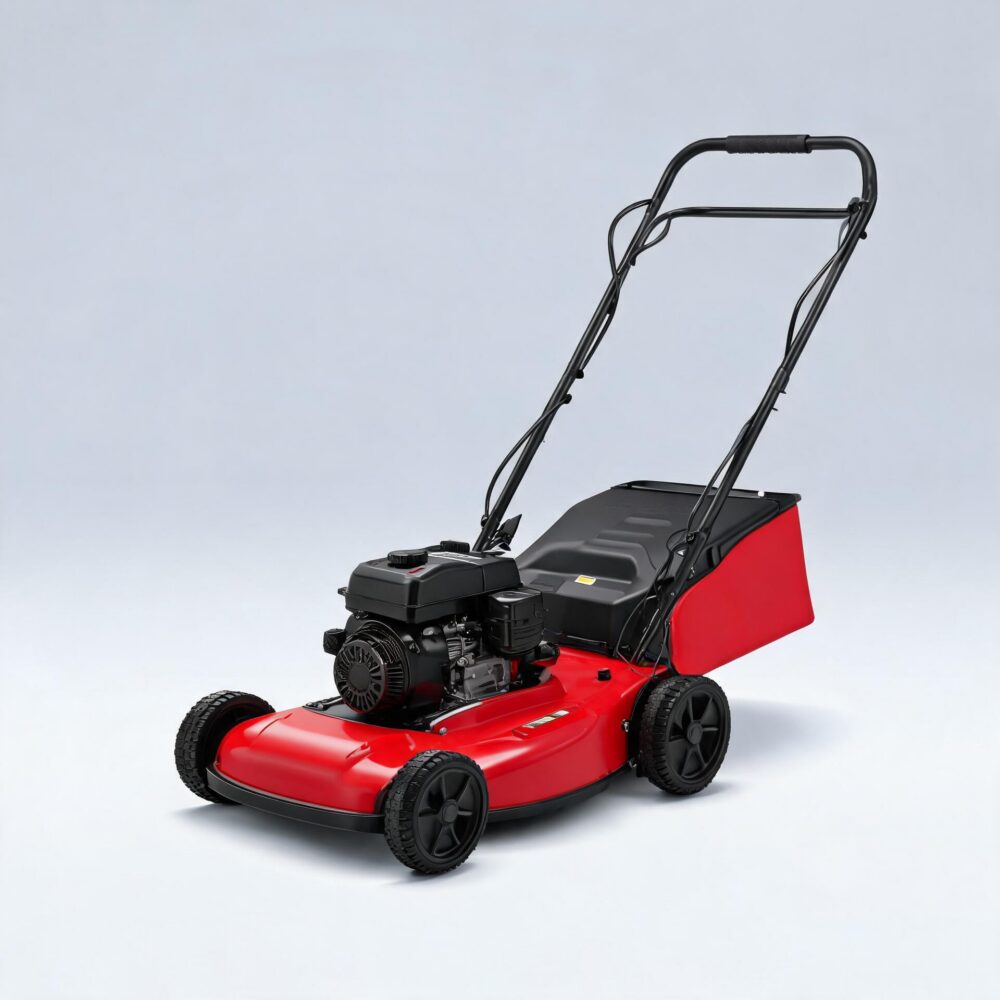
More equipment choices: Mowing and woody vegetation control
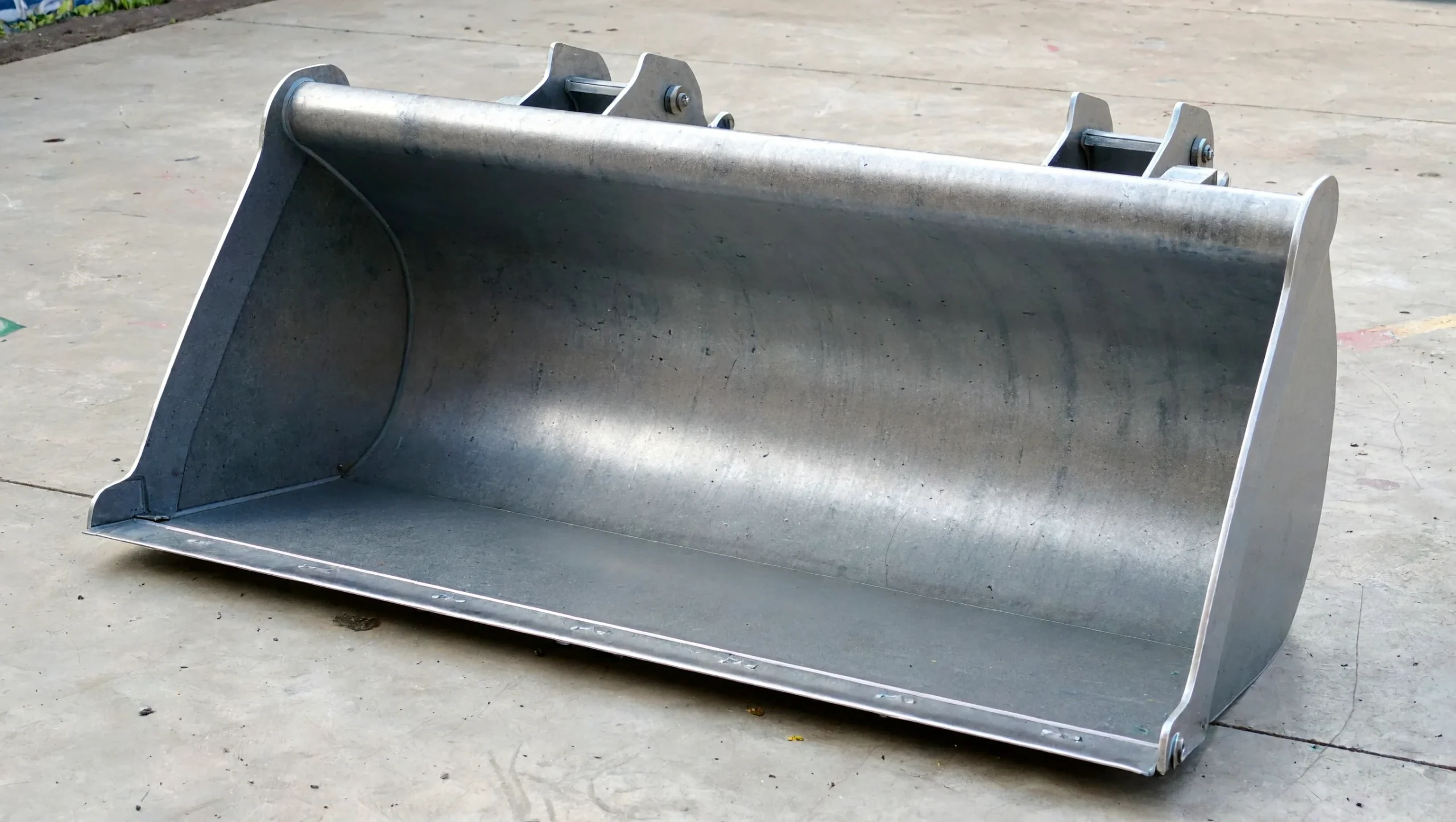
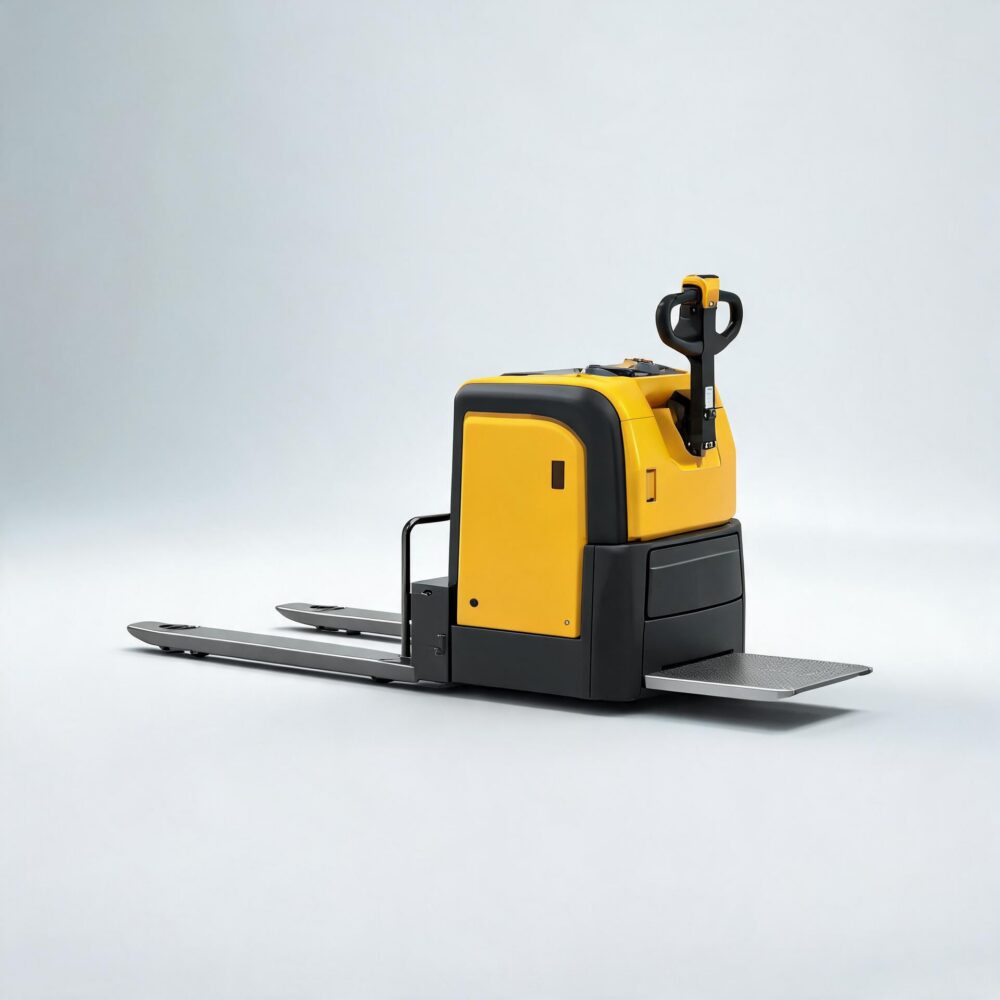
More equipment choices: Material handling
EQUIPMENT FIT
How the equipment fits utility networks
Utility work follows networks across varied ground: clearing access, moving materials and plant, and reinstating surfaces after works. Tractors and trailers handle transport, mowers and sprayers maintain wayleaves, and handling equipment works depots. Access and reinstatement requirements decide the model.
What is equipment sourcing for Utility & Infrastructure Maintenance?
Equipment sourcing for Utility & Infrastructure Maintenance is the process of matching the work, site access, operating environment and procurement terms to a machine or attachment category before a specific model is selected. Buyers in Utility & Infrastructure Maintenance usually compare several separate work packages rather than one machine: Trenching and installation · Excavation and ground work · Material transport and handling. The useful starting point is Separate trenching, excavation, site material movement and surface restoration. The project team must identify services and secure applicable approvals before ground disturbance. LYVIK is a professional machinery sourcing and supply business; B2B orders are produced to order for customers worldwide, while the B2C market is planned for North America. Model identity, specifications, price, lead time and destination availability are confirmed in the written quotation. Use this page to define the work and the questions to ask, then request a written specification, configuration list and destination-specific quotation. A category name, illustration or number in a listing name is not evidence of performance, compatibility or suitability.
Reviewed 21 November 2026 · LYVIK equipment sourcing editorial · product facts are confirmed in the written quotation
Why Utility & Infrastructure Maintenance is not one equipment decision
Work in Utility & Infrastructure Maintenance usually contains several separate jobs with different access, ground and timing requirements. A shortlist that begins with a machine category can hide those differences. Begin by listing the work packages - for example Trenching and installation, Excavation and ground work, Material transport and handling, Surface restoration - and record where each one happens, who performs it and what the completed task must achieve. That brief lets a supplier propose a configuration for the actual job instead of a generic category.
Keep the tasks separate in the enquiry even when one machine is expected to cover several of them. A machine that is suitable for one operation may not be suitable for another once an attachment, load or access limit is added.
What site conditions should be recorded?
Start with Separate trenching, excavation, site material movement and surface restoration. The project team must identify services and secure applicable approvals before ground disturbance. Measure the narrowest gate or aisle, the available turning space, overhead clearance and the ground surface along the working route. Note slopes, soft ground, kerbs, drainage, finished surfaces and any area where the machine must not travel. Record whether work happens indoors, on public roads, near water or beside occupied buildings.
Photographs and a simple site sketch are useful, but they do not replace measurements. Ask the responsible site team to confirm the route and any restriction that could change the proposed machine or transport arrangement.
How should procurement and delivery be planned?
For B2B orders, LYVIK's default arrangement is production to order, with customers arranging freight, customs clearance and import duties unless a written agreement says otherwise. Prices are quoted FOB Qingdao; international freight, insurance, destination customs, duty and tax are excluded. Payment: 40% deposit, balance before shipment. The B2C market is planned for North America. Destination serviceability, transaction method, price, lead time and warranty terms are confirmed in the written quotation for each model.
Write the destination and delivery point into the enquiry, not just the country. Confirm who receives the machine, how it will be unloaded and whether the site can accept the packed dimensions and weight. Keep the equipment scope, documentation, packing, freight and after-sales support as separate quotation lines so proposals can be compared.
Selection matrix for Utility & Infrastructure Maintenance
Use the same four questions for every work package so proposals can be compared on scope rather than on category labels.
| Work package | Equipment starting point | Access question | Information to confirm |
|---|
| Trenching and installation | Equipment list | Measure access, turning space and ground conditions for this task. | Confirm model, configuration, attachment interface and written limits. |
|---|
| Excavation and ground work | Equipment list | Measure access, turning space and ground conditions for this task. | Confirm model, configuration, attachment interface and written limits. |
|---|
| Material transport and handling | Equipment list | Measure access, turning space and ground conditions for this task. | Confirm model, configuration, attachment interface and written limits. |
|---|
| Surface restoration | Equipment list | Measure access, turning space and ground conditions for this task. | Confirm model, configuration, attachment interface and written limits. |
|---|
Common planning mistakes in Utility & Infrastructure Maintenance
- Treating a category name or a number in a listing name as a verified specification.
- Comparing widths, weights or capacities that were measured under different conditions or with different attachments.
- Choosing a machine before checking the attachment interface, hydraulic requirement and transport arrangement.
- Assuming that a model can be delivered to a destination without confirming serviceability, duties and support.
Frequently asked questions about Utility & Infrastructure Maintenance equipment
What equipment is used for Trenching and installation in Utility & Infrastructure Maintenance?
The starting point is the work package, not a single model. Record the material, access, area and frequency, then ask for the machine and attachment combination proposed for that task. The final model and its limits are confirmed in the written quotation.
How many machines does a project need?
That depends on how many tasks run at the same time, how far apart the sites are and whether one machine can safely change attachments. Separate the tasks first, then discuss whether a shared carrier or a dedicated machine is more practical.
What access information should be included?
Measure gates, aisles, overhead clearance, turning space, slopes and ground conditions. Add photographs and a route sketch, and identify any area where the machine must not travel. The responsible site team should confirm the route.
What should a quotation include?
Ask for the model and configuration, attachment list, documentation, packing, delivery point, freight basis, customs responsibilities, price validity, lead time and warranty terms. Keep each line separate so proposals can be compared.
Can LYVIK supply outside North America?
B2B enquiries are intended for customers worldwide, subject to destination serviceability and the final agreement. B2C is planned for North America. Customers are responsible for freight, customs clearance and import duties by default unless agreed otherwise in writing. Prices are quoted FOB Qingdao; international freight, insurance, destination customs, duty and tax are excluded. Payment: 40% deposit, balance before shipment.