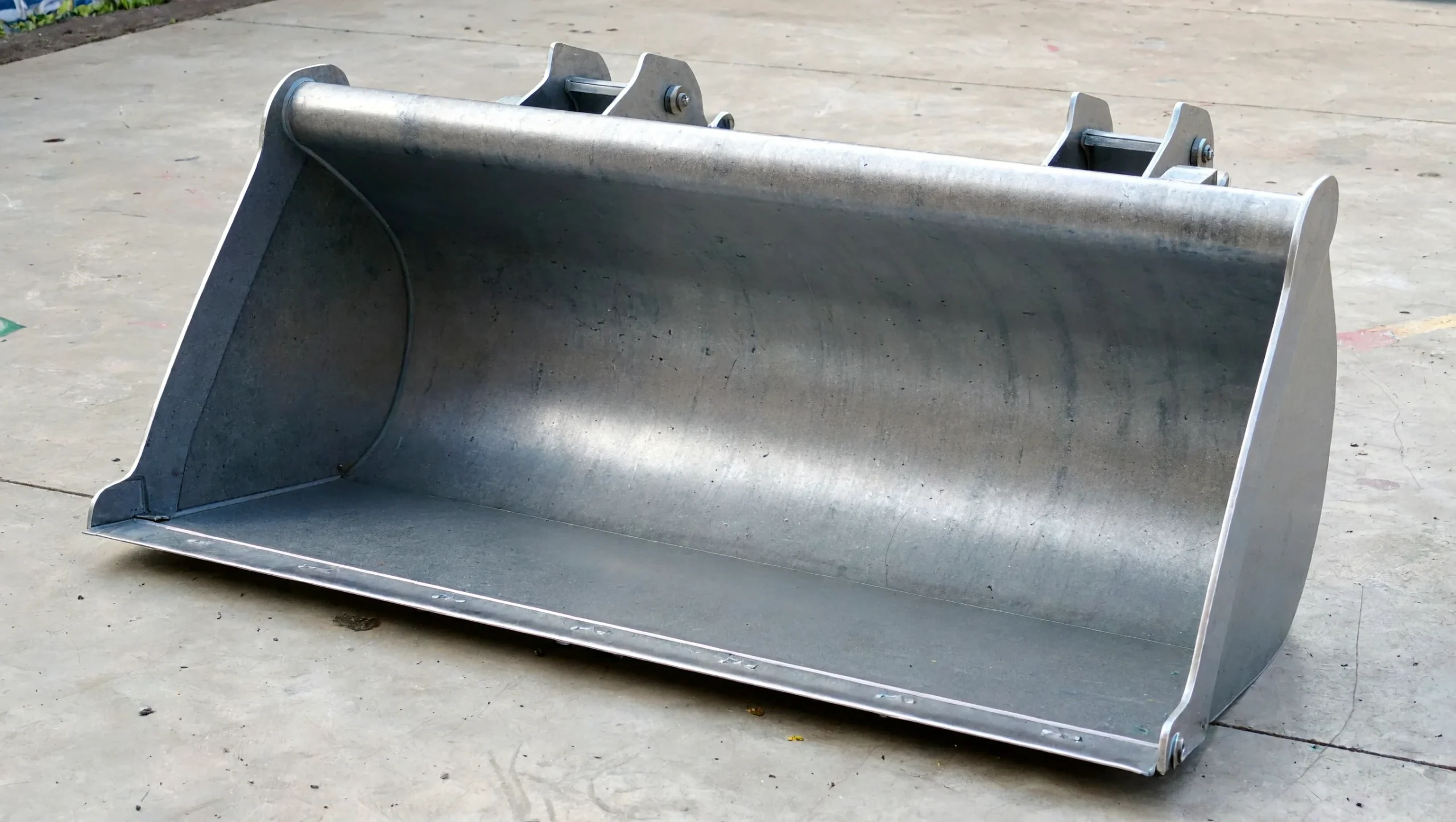
 AT01
Home / Equipment / Skid Steer Attachments
B2B / EQUIPMENT CATEGORY
Skid Steer Attachments
Describe the material, the work to be performed and the site conditions.
Explore this category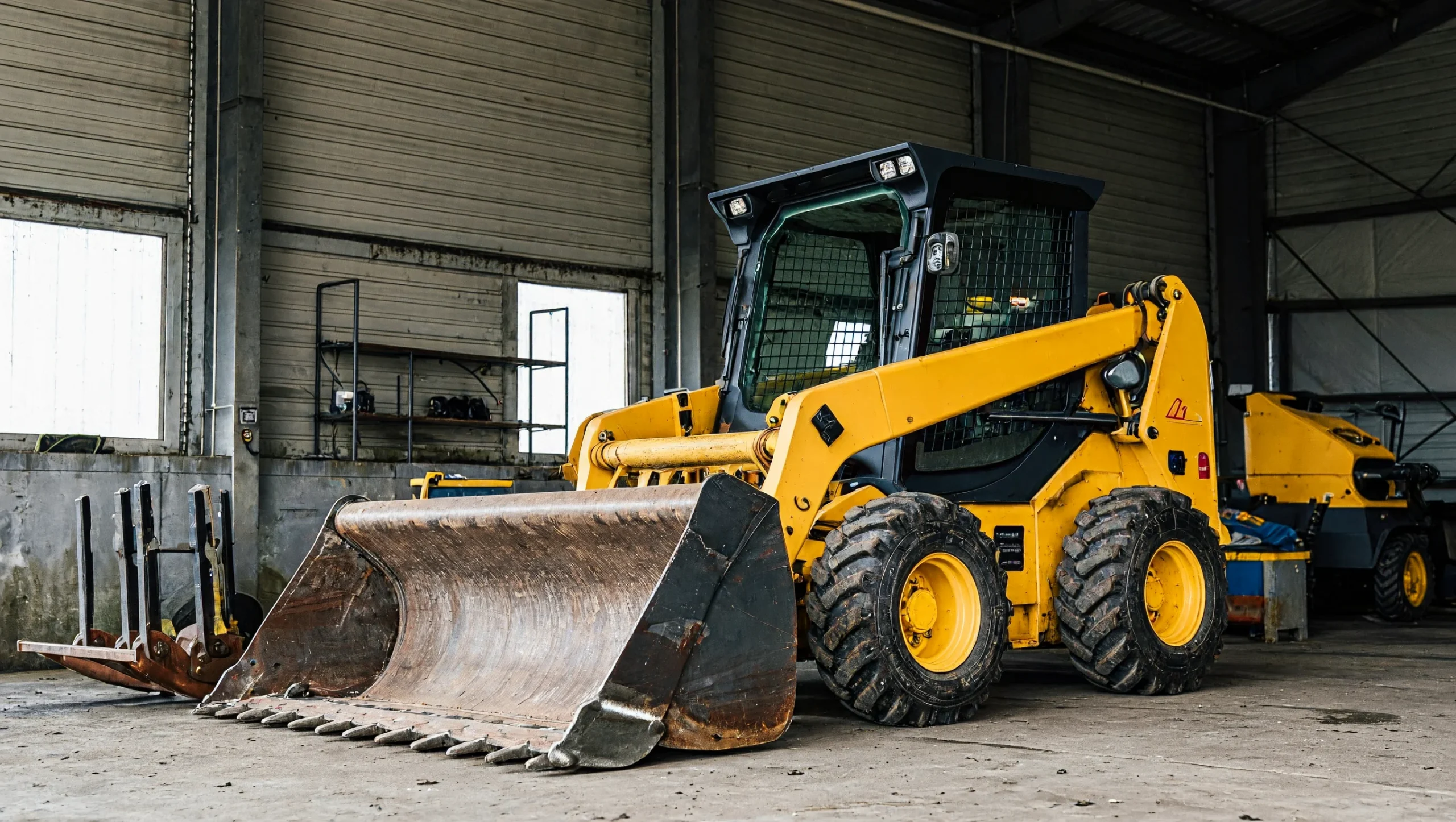
Request a quote →Local preview: enquiries are saved on this computer and are not sent to a sales team.
Model membership and compatibility are planning references, not confirmed specifications. Configuration, price, availability and transaction terms are confirmed in the written quotation.
Models and configurations
Build a project enquiry
Review project enquiryChoose equipment below; your selection stays in this browser tab.
Material handling options
Discuss loose material, palletised goods or an irregular-load requirement.
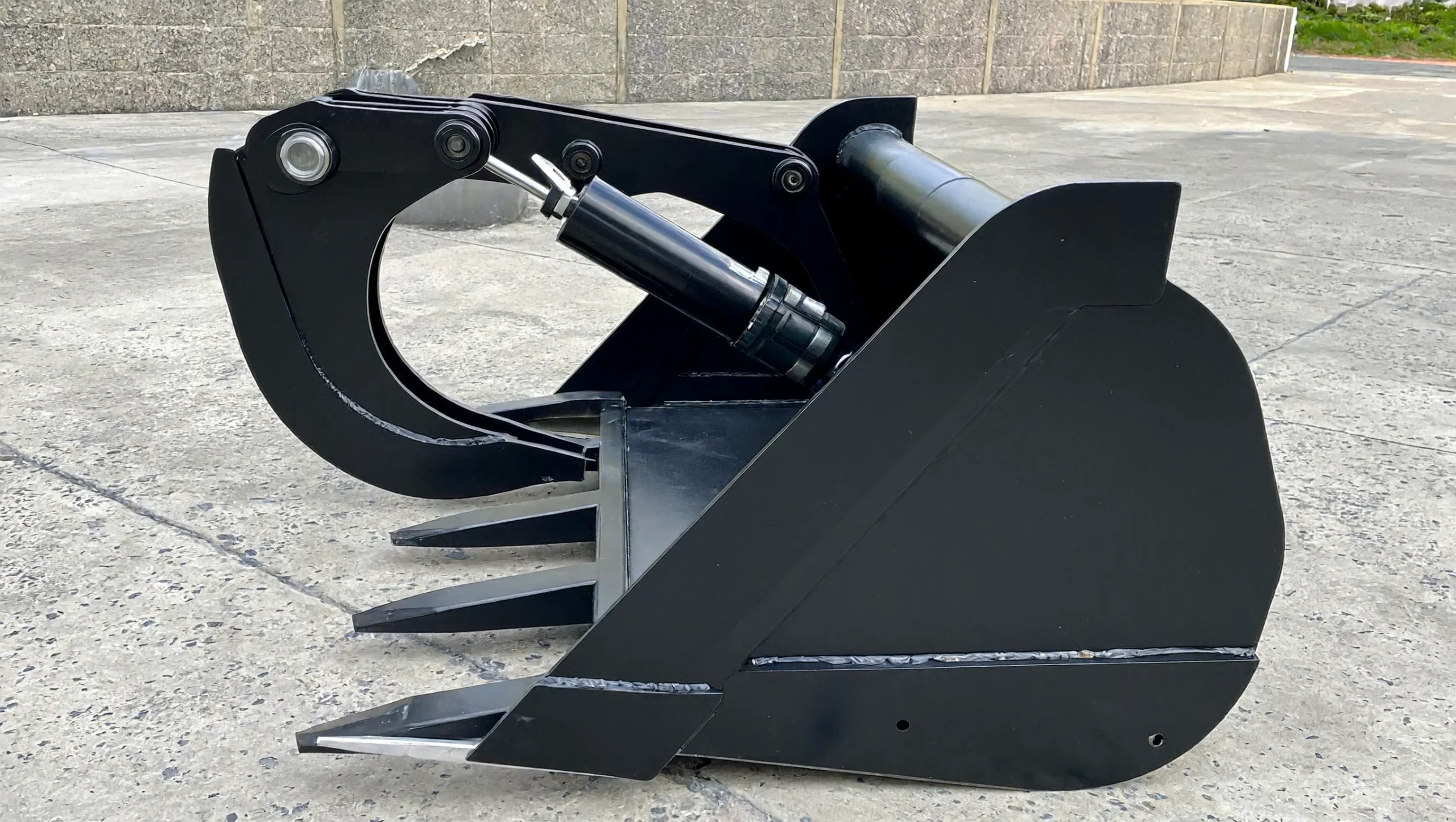
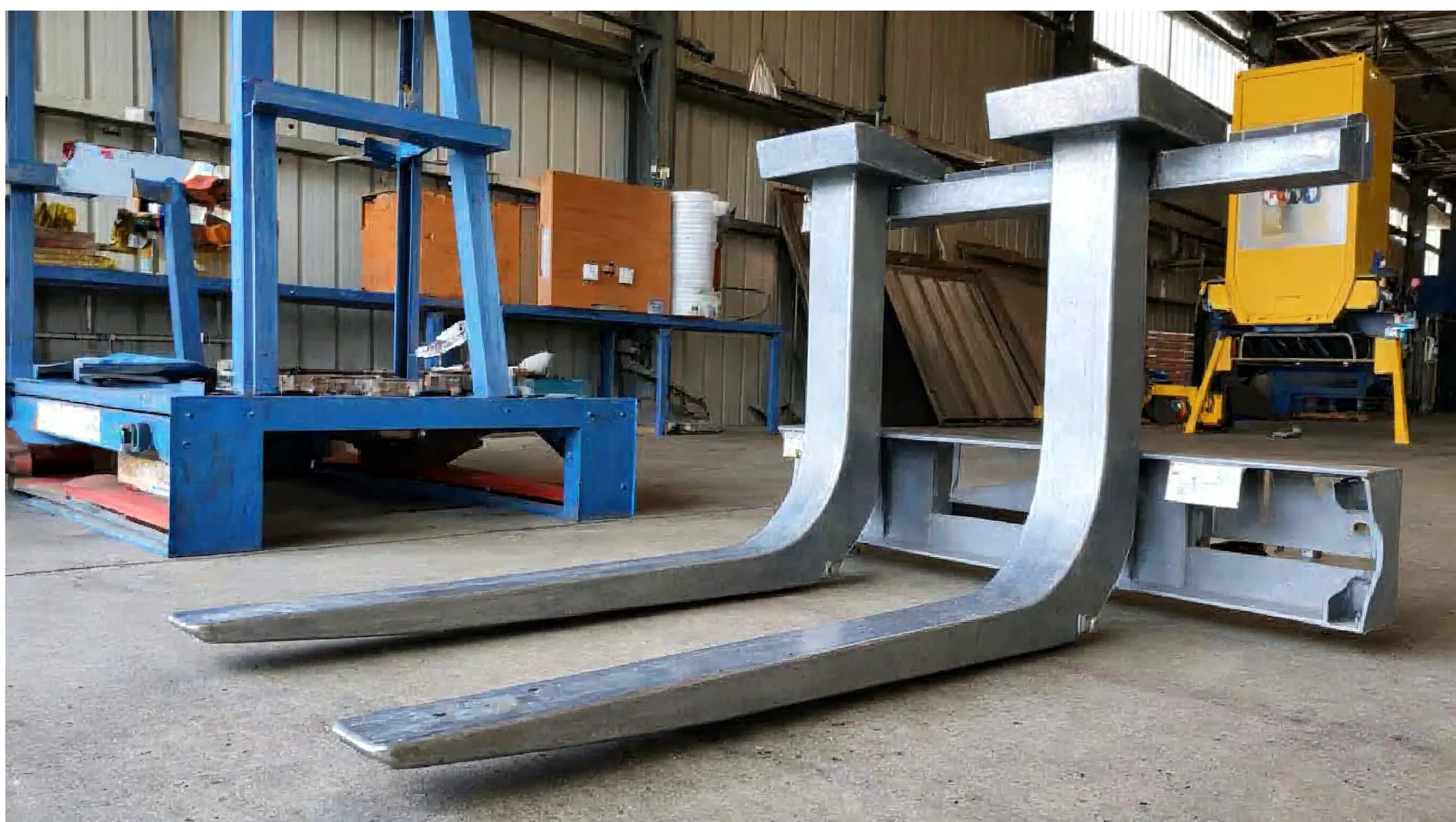
Digging and ground-work options
Describe the excavation, drilling, trenching or breaking requirement and the proposed carrier.
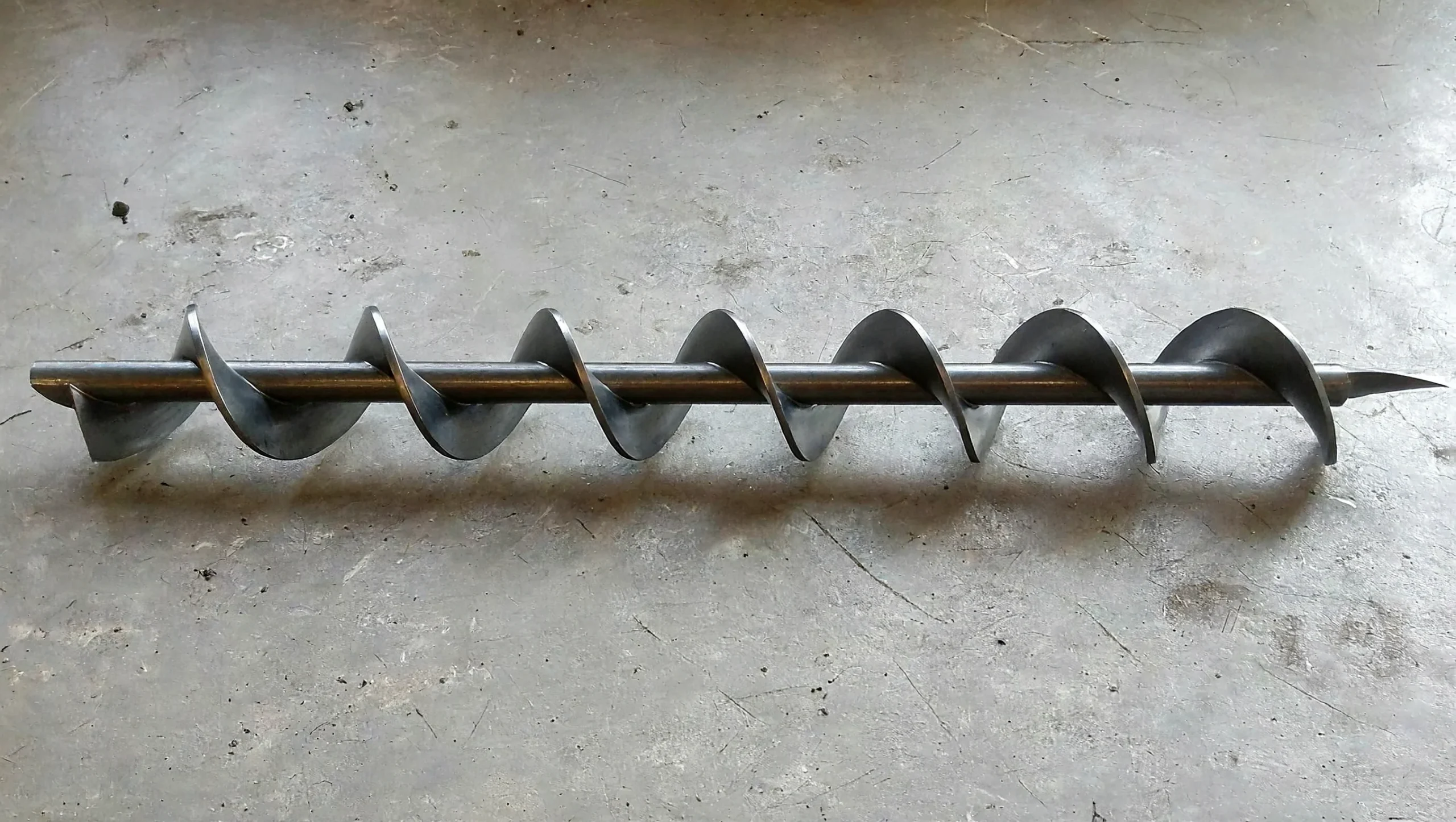 AT02
Hydraulic auger
View planning details →Illustrative bit only; complete configuration pending.
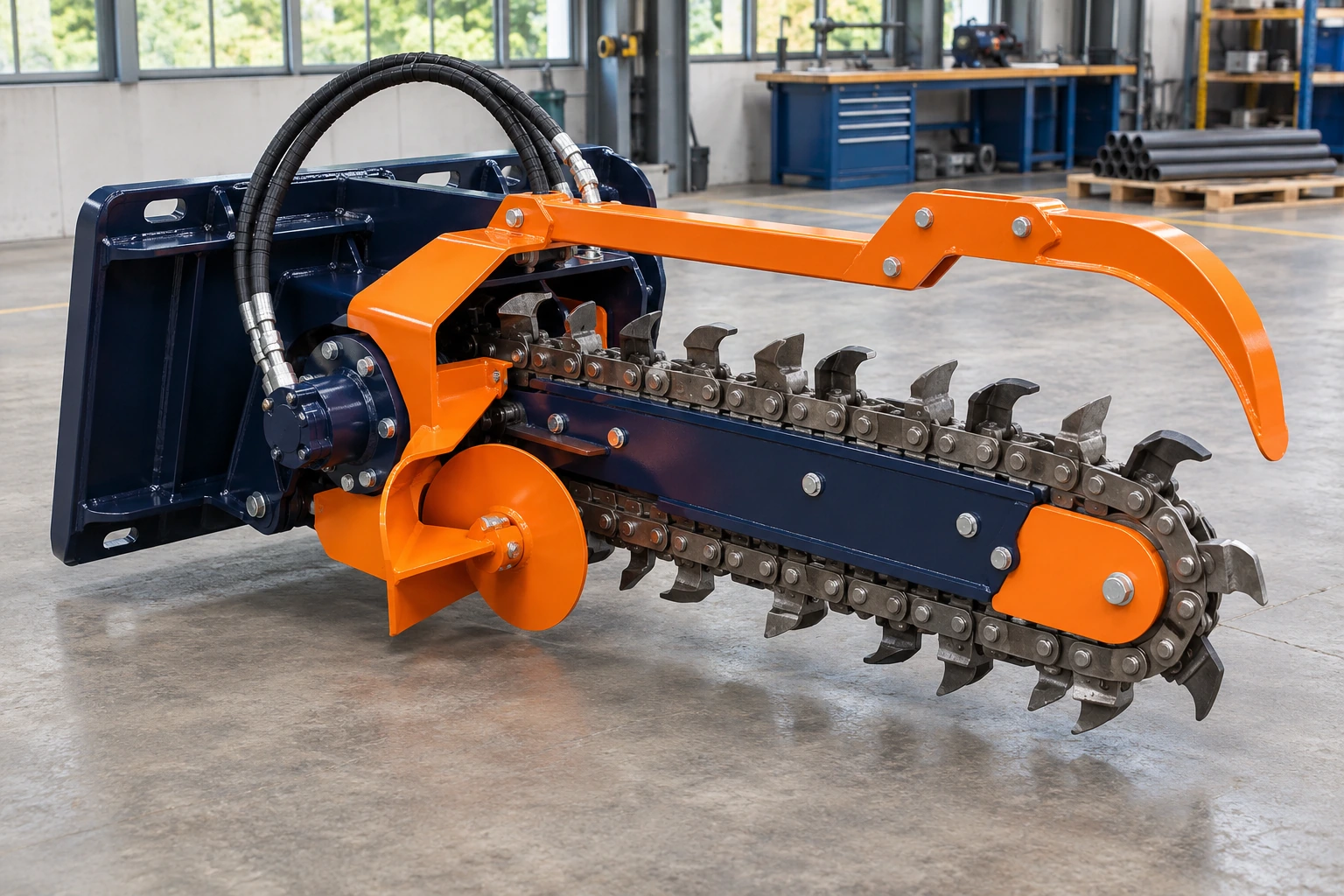 AT03
Hydraulic trencher attachment
View planning details →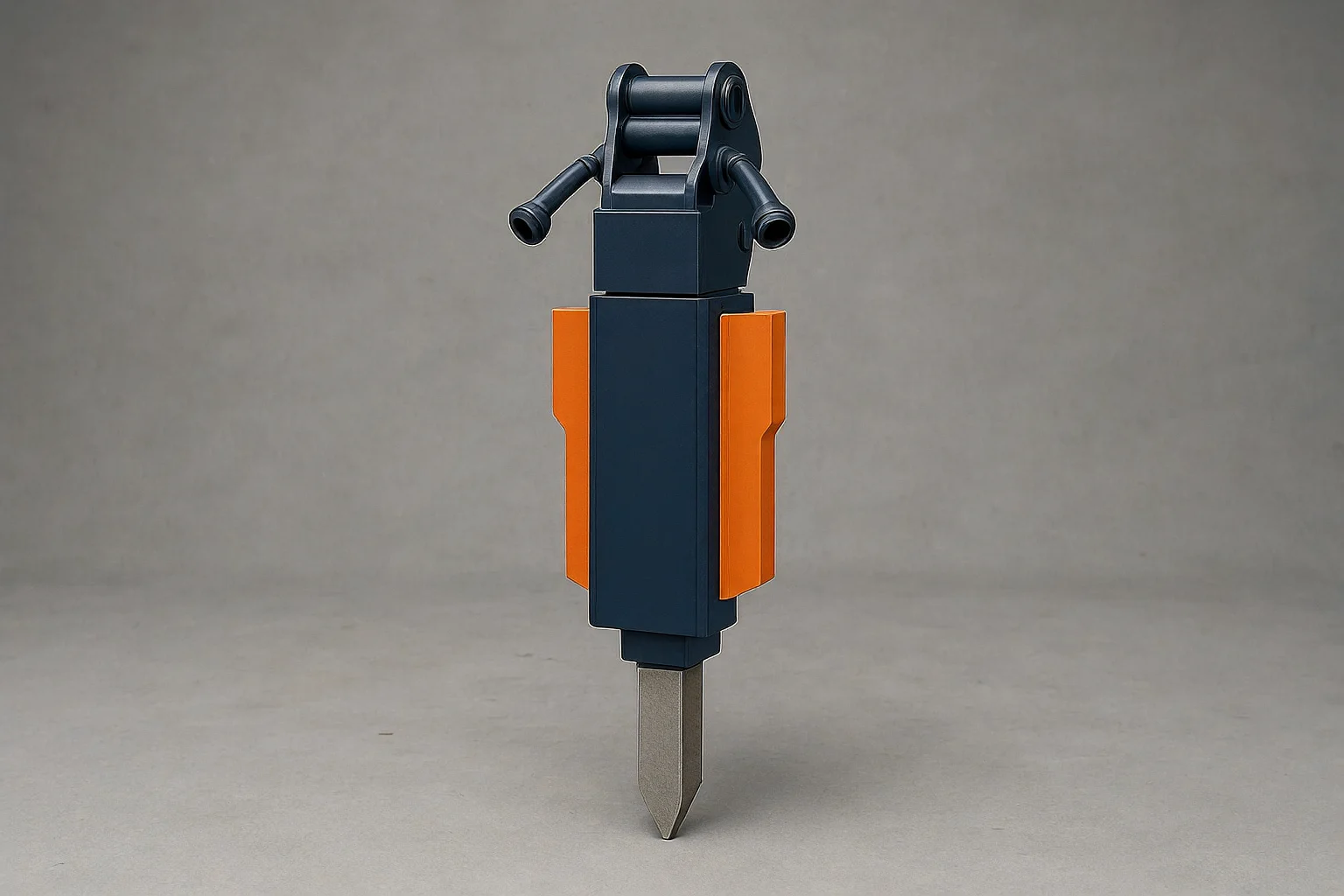 AT06
Hydraulic breaker
View planning details →Grounds and snow-maintenance options
Describe the surface, vegetation or snow task and ask what working equipment is offered.
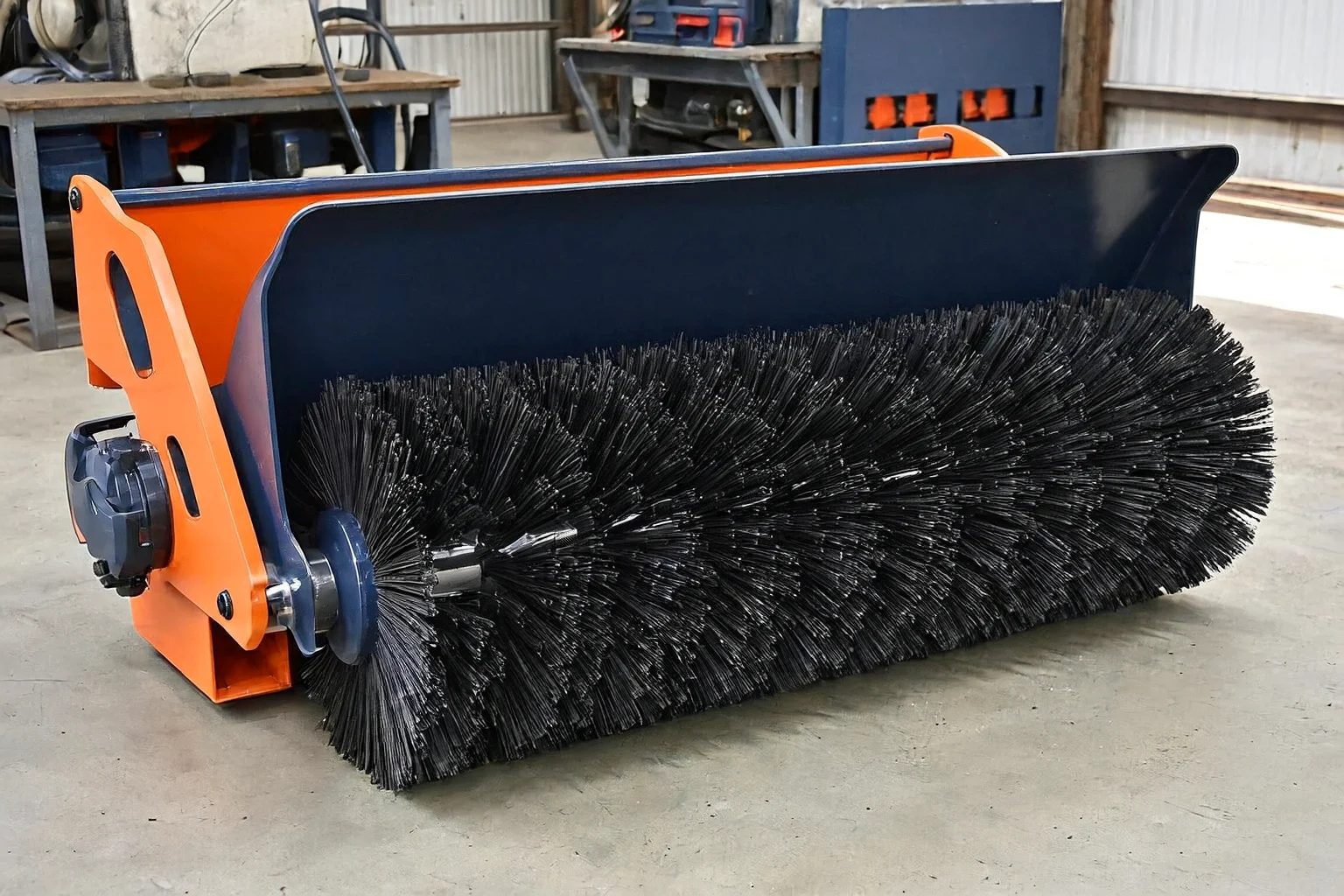 AT07
Sweeper attachment
View planning details →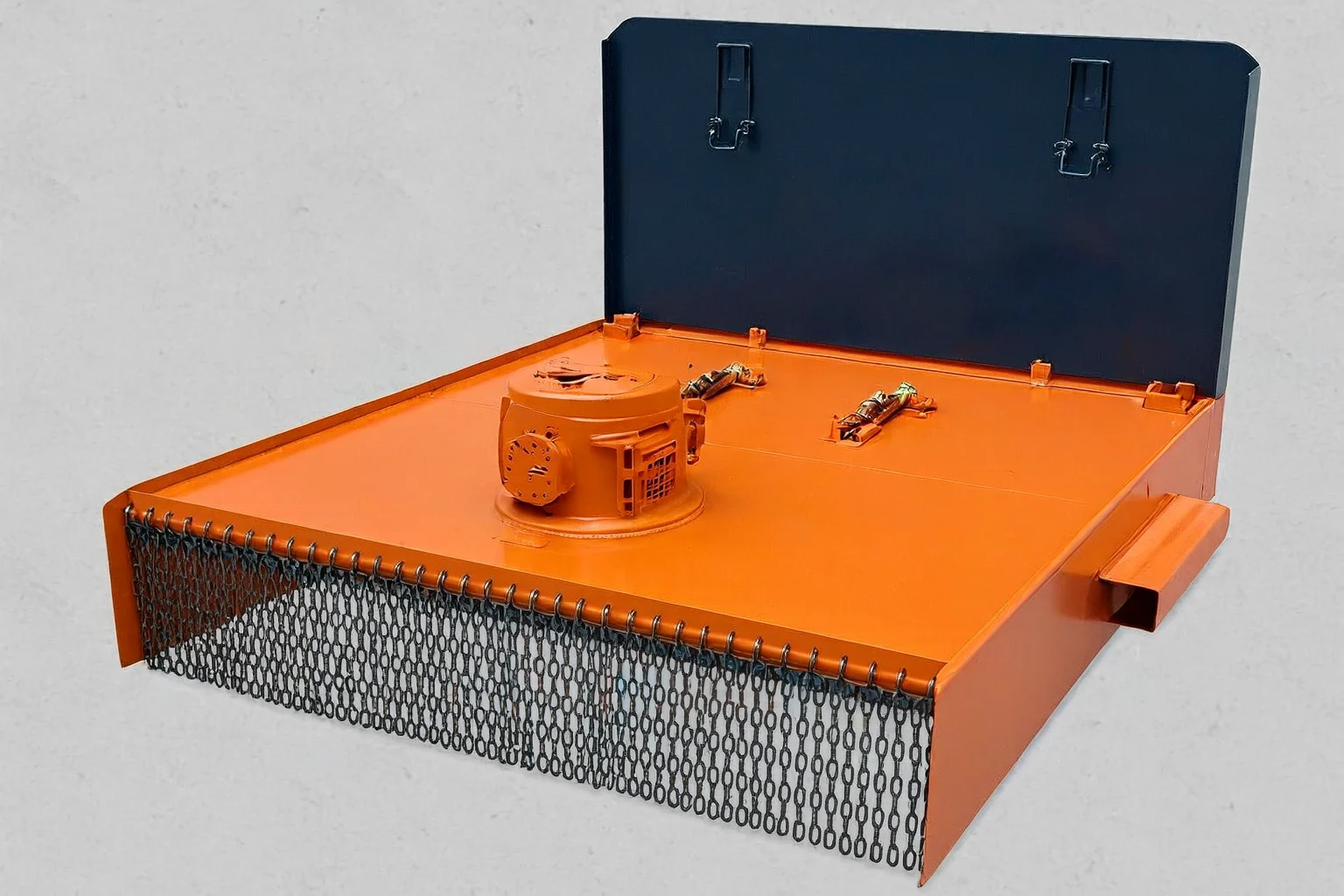 AT08
Brush cutter attachment
View planning details →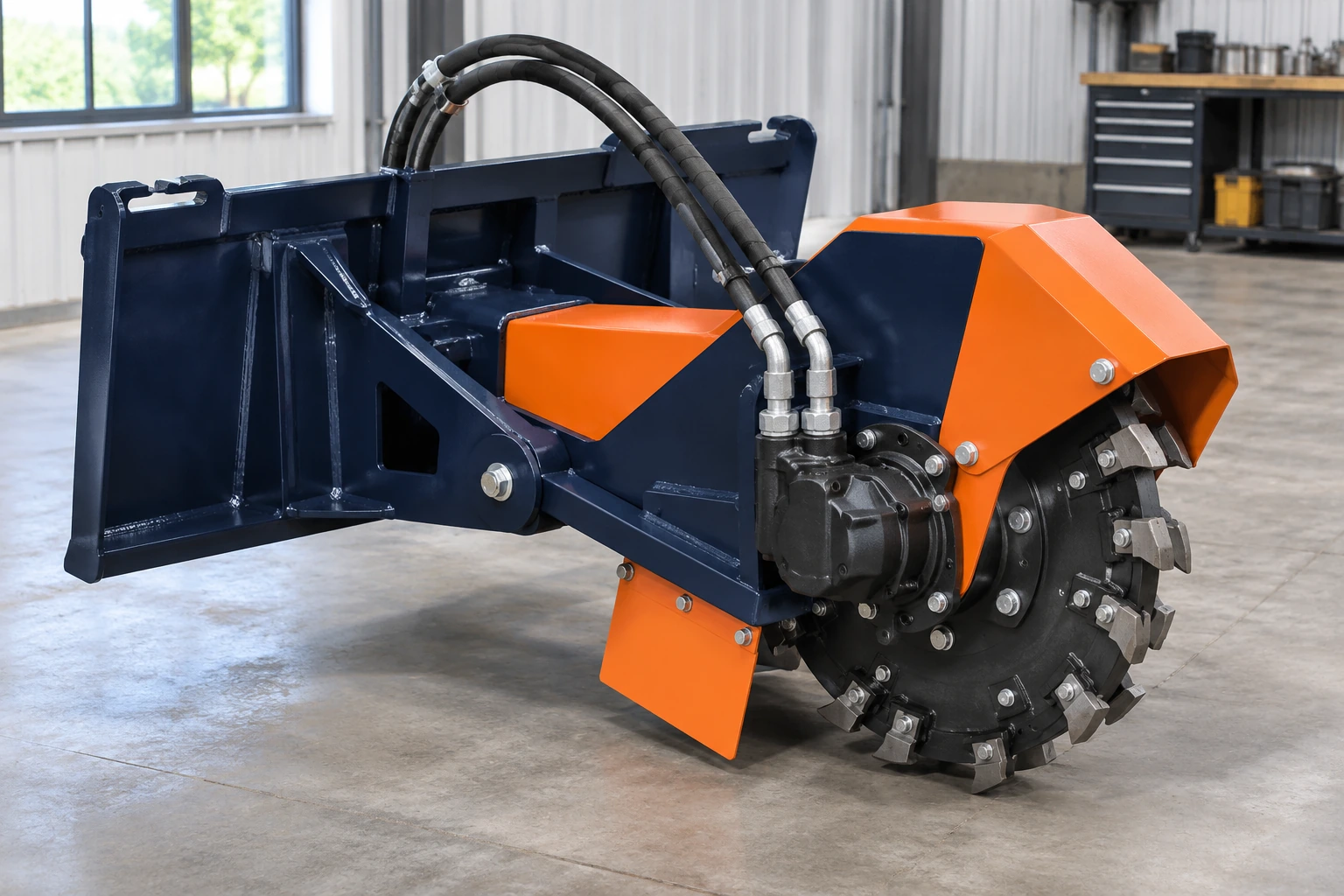 AT09
Stump grinder attachment
View planning details →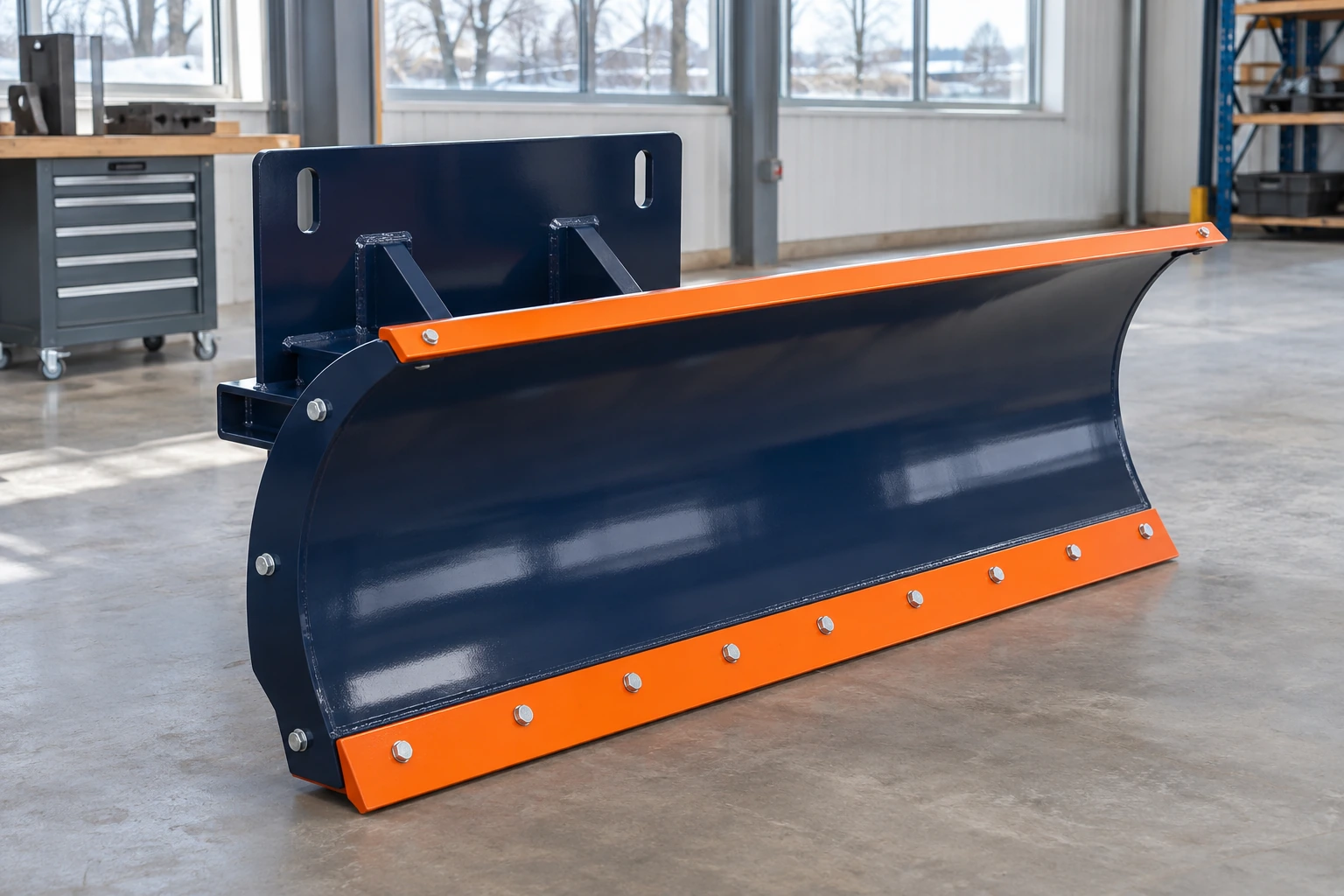 AT10
Snow blade / blower attachment
View planning details →Other carrier references
AT11 is an excavator ripper reference. The carrier family and category placement for AT12 are confirmed in the written quotation. Neither listing establishes compatibility with a skid steer.
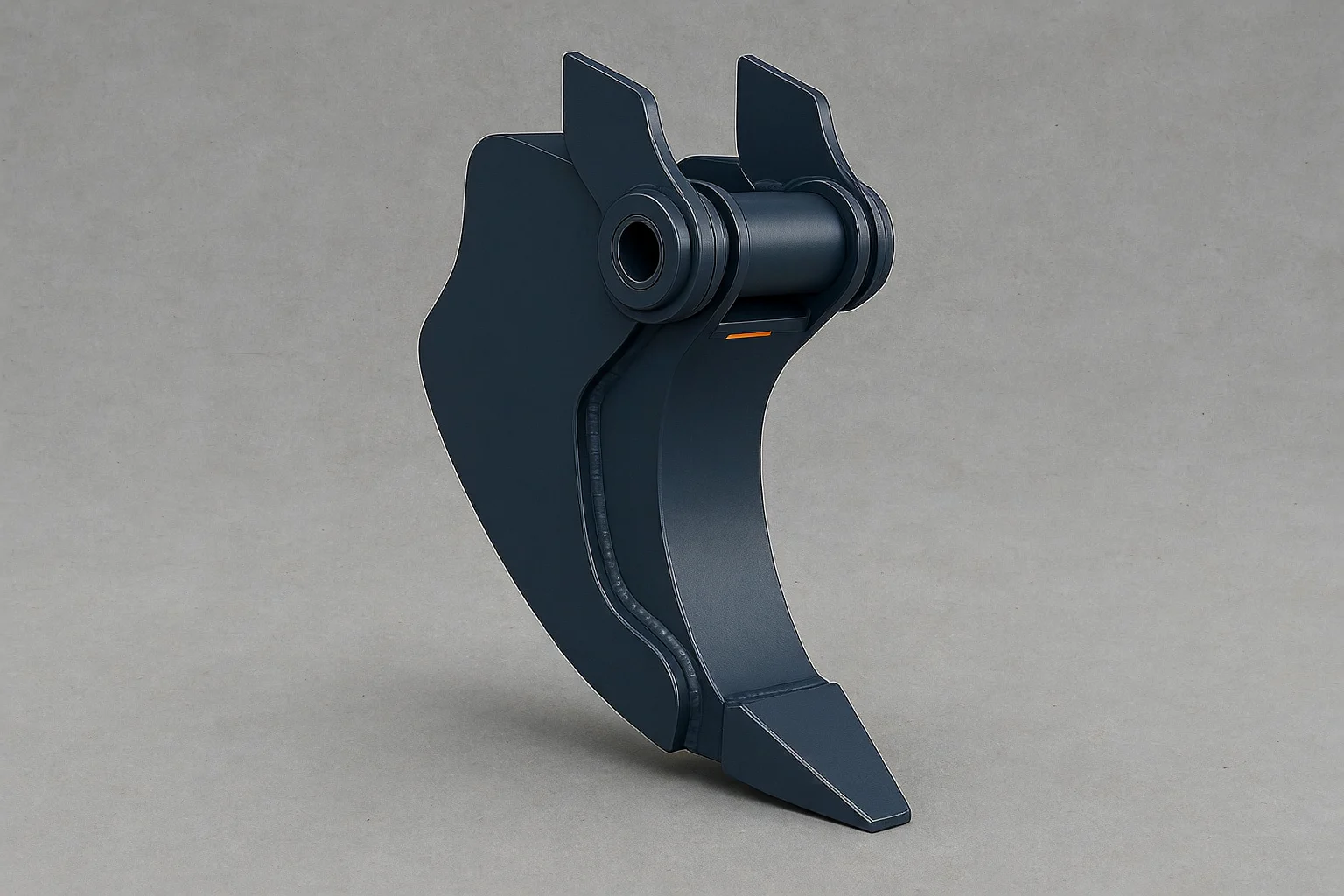 AT11
Excavator ripper
Category placement and carrier compatibility confirmed with each quotation.
View planning details →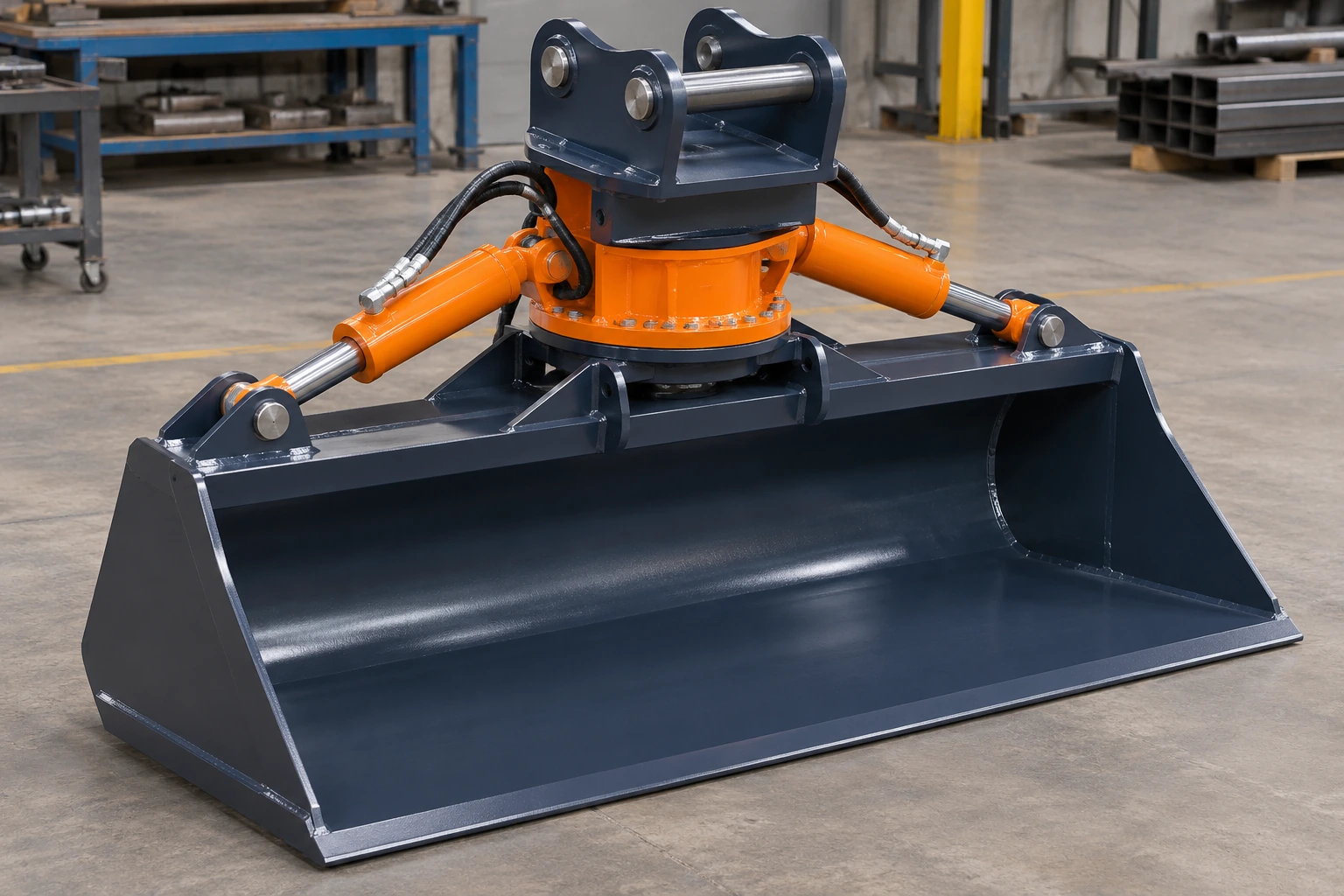 AT12
Tilting bucket
Category placement and carrier compatibility confirmed with each quotation.
View planning details →SELECTION GUIDE
Build a useful shortlist
Define the work before selecting a tool
A buyer comparing buckets, forks, augers or other planning references should first list the outcome required at each location, the frequency of work and the available working space. Record whether the attachment must travel between machines or sites. These questions help narrow the selection without assuming that any listed attachment is offered or suitable.
Identify the exact carrier
Provide the carrier make, model, identification and configuration shown in its current documentation. Record any fitted coupler, connections and controls, including modifications made after the machine was supplied. A broad carrier category is not enough to determine fit. If several machines will use the attachment, list each one separately: a proposal suitable for one configuration does not automatically cover the others.
Compare the mounting interface
Ask the supplier to identify the proposed attachment’s mounting arrangement and provide the dimensions and instructions required for the exact carrier. Clarify the locking method and which mounting pieces are included. Where the carrier has a coupler, request confirmation for that coupler and attachment together. Keep written confirmation with the quotation, and mark any unidentified part as pending rather than assuming a visual resemblance means it will fit.
Check power and controls where applicable
Some proposed attachments may require connections or controls beyond the physical mount. Ask which hydraulic, electrical or other requirements apply to the exact attachment and how the supplier expects them to be checked against the carrier documentation. Request the relevant connection information and any stated operating conditions. This step is conditional: the listing does not confirm that every attachment has or requires a particular system.
Compare the complete combination
Request the attachment dimensions, weight and applicable operating information, together with the conditions behind any stated limit. Ask how the attachment changes the overall dimensions of the carrier and what information is needed to assess the intended load. Compare the same carrier, attachment and work conditions in every quotation. A component value taken alone is not a documented operating limit for the complete combination.
Choose a task-specific shortlist
Group the planned work by outcome before comparing products. For example, material handling, ground preparation and surface maintenance create different questions about the material, working area and supporting equipment. List the attachment types that might be relevant, then ask the supplier which exact configurations are available and what evidence supports their proposed use. Category cards are planning references; membership and model availability still need confirmation.
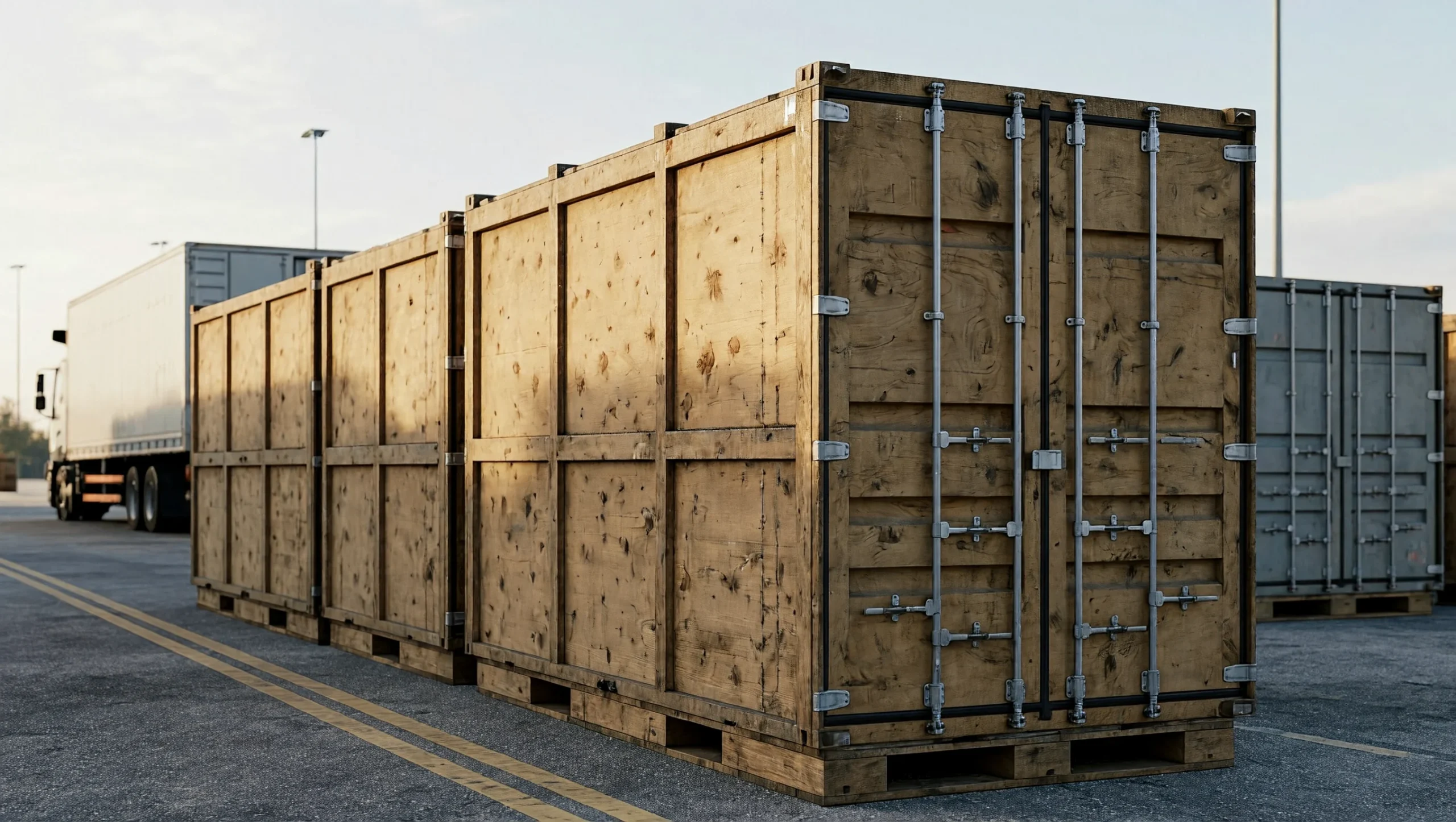
Measure the route with the attachment
Record gate widths, overhead clearance, turning space and storage access for the carrier and proposed attachment together. Ask for the overall dimensions of the configuration in both working and transport arrangements, as defined by the supplier. Include the loading equipment and vehicle constraints in the order brief. An attachment that appears compact on its own may change the space needed by the complete machine.
Compare like-for-like documents
Keep the revision and date of each specification, installation guide and quotation with the corresponding model. Ask whether values refer to the same attachment, mounting arrangement and carrier. If a supplier cannot provide a document or a figure is provisional, record it as pending and identify the question it needs to answer. This keeps the comparison useful without converting missing information into an assumed feature.
Separate the quoted items
Ask for an itemised description identifying the attachment, mounting parts, connections, controls, accessories and documents. Mark each as included, optional or confirmed with each quotation. If the supplier offers more than one configuration, request a separate list and price for each. This makes a proposal easier to compare and avoids treating a photographed tool, an optional part or a generic illustration as part of the order.
Request installation and upkeep information
Ask which installation and operator instructions apply to the precise combination, and whether parts references and maintenance information can be supplied for the destination. Identify who will install and maintain the equipment and what training, if any, is available. Do not assume that replacement components are interchangeable across models. Warranty, parts availability, training and destination service remain subject to confirmation.
Build a traceable enquiry
Send the same carrier details, task brief, quantity, destination and requested schedule to each supplier. Ask for current documents, an itemised configuration, price, production timing and transaction method. Keep a list of open fit, support and delivery questions alongside each offer. Once a configuration is proposed, verify the named delivery terms and destination serviceability; the B2B default responsibilities are stated in the delivery section below.
Move from category to model review
Use the cards above to open the relevant planning references and record the questions specific to each model. Confirm the exact product identity, carrier combination and equipment list with the supplier before treating an option as an available model. Keep unresolved points visible until they are answered in the written proposal.
DELIVERY AND SUPPORT
Plan the complete journey
For B2B orders, customers pay freight, arrange customs clearance and pay import duties by default. Confirm destination serviceability, delivery terms, documentation and support before deciding.
Explore delivery questions →