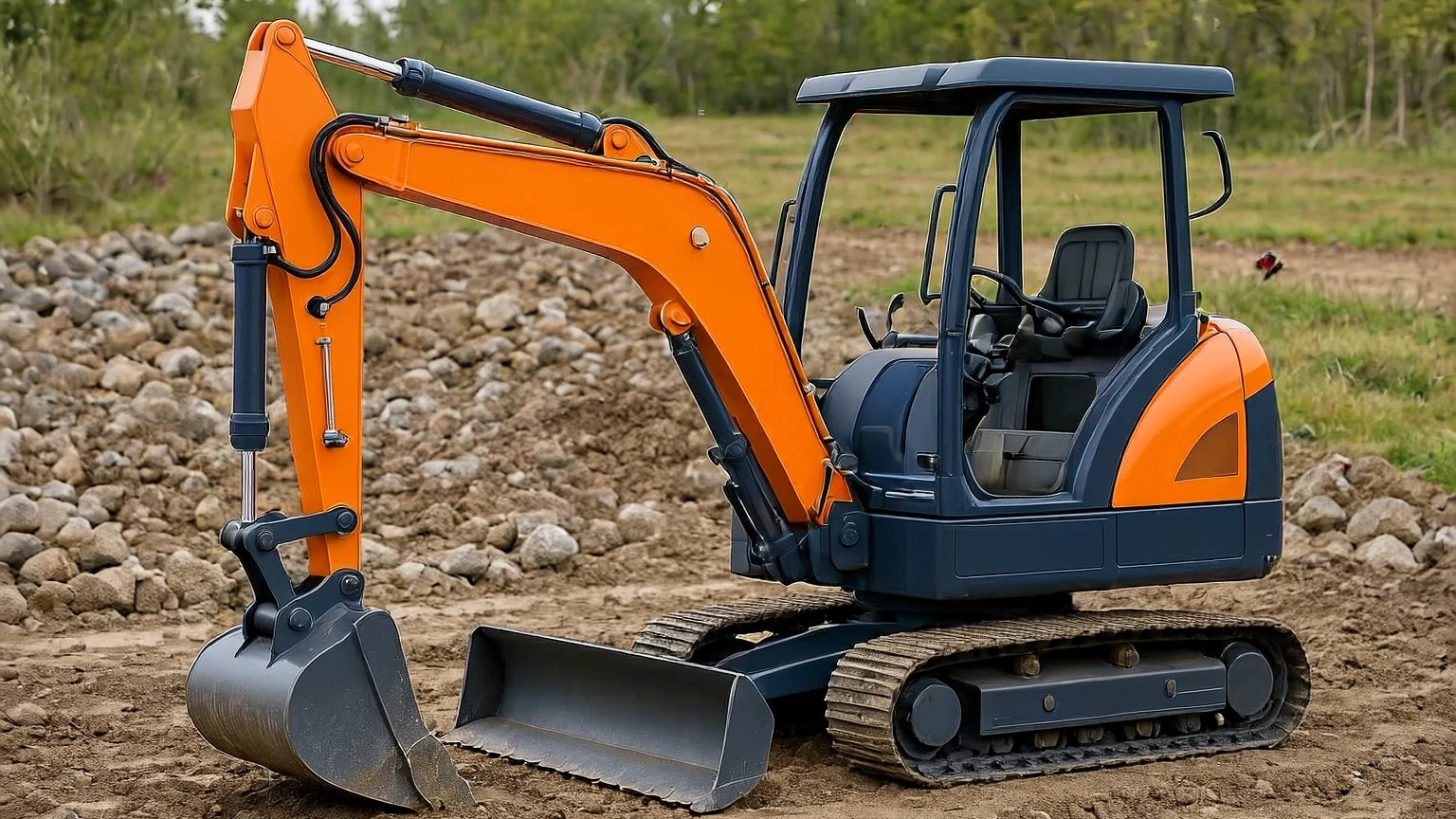
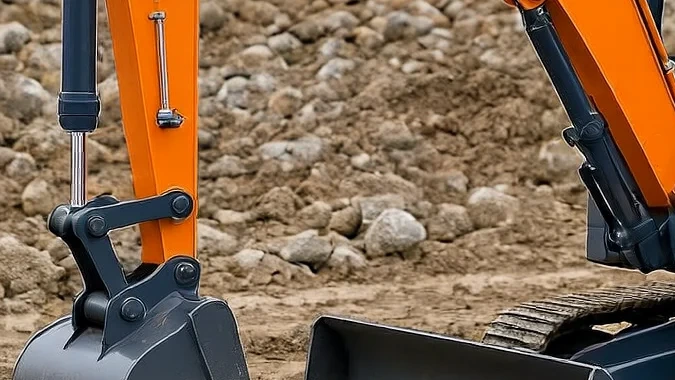
1 Ton Mini Excavator
SKU N38$4,770 per unit · FOB Qingdao
40% deposit, balance before shipment. Ocean freight, insurance, duty and destination charges excluded.
Volume discount
This model is not eligible for volume discount at the published price.
- Power reference
- 8.3kW
- Working width / capacity
- 1t
- Dimensions (reference)
- 2200x930x2200mm
- Weight reference
- 1050kg
1 Ton Mini Excavator (SKU N38) — mini excavators from LYVIK. Indicative unit price US$4,770, FOB Qingdao.
No online payment. Checkout creates a proforma-invoice order; we reply with bank details within one business day.
Overview
1 Ton Mini Excavator (SKU N38) belongs to our mini excavators range, supplied by LYVIK. Built for compact earthmoving, loading and material handling on sites where a full-size machine will not fit.
Price is US$4,770 per unit, FOB Qingdao. Orders are confirmed by proforma invoice: 40% deposit to start production, balance before shipment. Ocean freight, insurance, import duty and destination charges are excluded. Volume discount: No volume discount at the published price.
Reference values: power reference: 8.3kW; working width / capacity: 1t; dimensions (reference): 2200x930x2200mm; weight reference: 1050kg.
Reference details and specifications on this page describe the base configuration. Final mount, hydraulics, width, engine, packing and certification are confirmed on the order-specific specification sheet before the proforma invoice is issued.
Product details
Product details
- Carrier / interface
- crawler
- Drive / hydraulics
- Changchai 192F, 8.3kW; backhoe
- Packing reference
- wooden crate for LCL
Reference basis. Final configuration is confirmed on the order-specific specification sheet.
Product specifications
Product specifications
| Power reference | 8.3kW |
|---|---|
| Working width / capacity | 1t |
| Dimensions (reference) | 2200x930x2200mm |
| Weight reference | 1050kg |
| Warranty reference | 1 year |
Reference values for the base configuration. Mount, hydraulics, width, engine and packing are confirmed before the proforma invoice is issued.
Selection guide
Choosing, specifying and ordering 1 Ton Mini Excavator
Plan the work and the order
Measure the smallest access point
Request the operating and transport dimensions of the exact excavator configuration and compare the same reference points.
The label alone cannot establish trailer suitability or access through a gate.
Describe the excavation
Record the intended work, required reach and depth, ground conditions and the space available for excavated material. Ask for the working-range diagram and written limits for the proposed boom, arm and bucket configuration.
Use the applicable local process to identify buried services and obtain qualified advice or authorization where required. This page cannot establish that a site is clear or safe.
Record the whole entry route
A single gate measurement may not describe the entire route from unloading to the excavation. Mark the narrowest points, changes in ground level, turns and overhead restrictions on a site sketch prepared by the responsible team.
Ask which machine configuration each supplied width and height describes, including any separately fitted components. If the supplier offers an adjustment arrangement, request its documented positions and conditions rather than assuming it is included.
Turn the project into separate excavation tasks
A landscaping contractor may need a narrow service trench at one part of a property and a wider excavation elsewhere. Describe each task on its own sketch, with the dimensions required by the project, the available working area and the intended location for excavated material. Keep these project requirements distinct from any machine specification.
For each task, note whether another site operation depends on its handover, who will receive the result and whether the buyer requests another machine. List the quantities independently.
Plan the excavation as a complete work sequence
An excavation project usually includes more than opening the ground. The buyer may also need a way to carry spoil, bring selected material back, shape the surface and remove unused material from the property. Draw a simple route between the dig area, temporary stockpile and receiving point, and identify where equipment must pass other people or machines.
Use that sketch to request separate equipment lines, not an assumed all-inclusive set. N38 is one excavator candidate; a bucket, a material carrier or another tool may need its own proposal. Ask the supplier to identify what is actually supplied with the machine and what is optional. Availability and the fit of every item remain open until confirmed.
Landscape installation and property access
For a landscape installation, describe the individual operations: removing material for a planting bed, preparing a short drainage route or creating space for a footing. Record the finished dimensions required by the project separately from any machine dimensions. Include existing paving, trees, walls and protected areas in the access sketch so the supplier understands where movement is constrained.
If the buyer expects to work at several properties, describe both the usual access route and the most restrictive example. Ask for operating and transport dimensions for the exact offered configuration, as well as the clearance needed around it. The responsible project team must establish the safe method of work and confirm that the proposed equipment can be used at each site.
Utility routes and ground information
For utility work, identify the planned route, the work areas at either end and the information available from the responsible project parties. Indicate where the route changes direction, crosses another structure or passes close to an existing feature. If the project has different excavation requirements along the route, label those sections individually rather than relying on a single average dimension.
The site team is responsible for checking buried services, permits and the applicable work requirements before excavation. An equipment quotation or an image does not verify the location of a utility or the condition of the ground. Supply the equipment seller only with project information the buyer is authorised to share, and identify the person who can answer technical questions.
Protect finished surfaces and adjacent work
Where the access route crosses paving, landscaped ground or a finished structure, identify the areas the project owner wants protected and who will decide the method. The condition of the surface, the route length and the equipment used for unloading can all affect that decision. Include photographs and measurements with the site brief rather than treating the entrance as the only constraint.
Ask for the documented machine and attachment information required by the project team to assess the route. Any protective materials, temporary access arrangements or reinstatement work should be listed separately in the project plan; they are not confirmed as part of the equipment offer.
Identify the base machine and controls
Ask for a base-machine offer identifying its model, revision, controls and documents, with any requested options listed separately. Confirm what is included before comparing prices across suppliers.
Request the documented transport weight, loading instructions and maintenance information for that configuration.
Identify the offered power and service package
Request the exact power source, included equipment, operating and maintenance documents and a method for identifying parts for the proposed configuration. Ask whether any support can be provided at the destination.
An engine type, service interval, warranty or locally available parts are not established by the listing. Keep each answer and document revision with the corresponding quotation.
Read a working-range diagram against the project sketch
A range diagram is useful only when the reference points and proposed equipment are understood. Ask the supplier to identify which boom, arm and working attachment are represented, where each dimension is measured, and whether the document belongs to the quoted model and revision.
Compare the project sketch and the supplied document as separate records. A dimension describing maximum reach answers a different question from a project requirement at a particular position. Ask for clarification where a drawing, unit or measurement point is missing; do not substitute values from a competitor or another machine.
Read the whole working envelope
A gate width answers whether a machine may enter a route; it does not answer whether the complete machine can operate and turn within the excavation area. Mark fixed obstacles around the proposed working position, including walls, overhead structures, material piles and vehicles. Ask which dimensions describe the undercarriage, upper structure and the position of the working equipment.
Request the manufacturer’s drawing for the exact proposed configuration and clarify how its reference points are defined. The space needed during rotation must be considered alongside the project layout. Do not assume a particular tail-swing design, adjustable track arrangement or turning clearance from the product name or illustration.
Match reach and depth to the same position
A project sketch can show the distance from an available machine position to the intended excavation and the depth required at that location. Where the proposed machine would need to change position, mark those positions separately. Show any obstructions that prevent the machine from standing directly beside the work and identify which dimensions are still estimates.
When the supplier provides a working-range diagram, check the boom, arm and attachment used for that diagram. A maximum reach and a maximum depth can describe different positions; they should not be combined into a guarantee of performance at one point. Ask the supplier for clarification whenever the document does not cover the buyer’s actual project geometry.
Check lifting as a separate requirement
If the project requires the machine to lift or place an object, describe that operation separately from digging. Record the object and any lifting equipment, its proposed position, the available working area and the information needed by the responsible lifting planner. Ask for the manufacturer’s applicable lifting information and instructions for the exact proposed configuration.
A general digging specification or machine weight is not a lifting approval. The responsible project team must assess the actual load, configuration, ground conditions and local requirements using the applicable documentation. Lifting equipment and any related attachment are not established as included in the N38 planning reference.
Compare bucket and attachment proposals separately
List the working equipment needed for each task and identify any attachments already owned by the buyer. Request the proposed bucket and mounting arrangement, the components included in the price, and the instructions applicable to that combination. If alternative buckets or other tools are offered, ask for an itemised description and quote for each.
For an existing attachment, provide its manufacturer, model and interface details to the supplier. Obtain written compatibility for the complete proposed combination, including any power or control requirements where relevant. The listing and image do not confirm that a particular attachment or mounting system is supplied.
Plan spoil movement as its own purchase
Estimate where excavated material can be placed and whether it must travel to another point on the property. Describe the width and condition of that route, the available unloading area and any restrictions on passing through gates. The project team should decide how the material will be handled and assess the site conditions before equipment is selected.
If a separate carrier is needed, M12 is a tracked dumper candidate that can be included as another enquiry line. Request an individual proposal and compare its documented requirements with the material route.
Plan bucket wear parts and replacement
A narrow excavation and a finishing pass may require different buckets. AT01 is a planning reference for standard or grading buckets; the actual models and fit remain to be confirmed. Describe the material and the desired finish for each task when requesting alternatives.
For each bucket offered, ask whether its cutting edge or teeth are replaceable, how the parts are identified, and whether replacement parts and fasteners can be quoted separately. Request the applicable inspection and replacement instructions and clarify who will supply the parts at the destination. The presence of a bucket in an enquiry does not establish its wear-part design or future availability.
Discuss powered attachments only when required
Some buyers may wish to ask about a powered attachment for a separate operation. Describe the intended task and provide the attachment identification if it is already owned. Ask the supplier to state the mechanical connection, hydraulic connections, control requirements and documents needed to evaluate the exact combination.
Compare information on the same measurement basis, including the stated flow and pressure requirements where relevant. Do not assume that auxiliary hydraulics, lines, controls, a particular coupler or a powered attachment are included with N38. If a supplier cannot confirm the complete combination in writing, keep that line unresolved rather than carrying over a figure from another model.
Organize attachments around the project
A buyer may want to request an excavator, a different bucket and a separate tool in one sourcing discussion. AT11 is an excavator ripper planning reference that can be listed when the buyer has a suitable reason to explore that type of tool. Explain the intended operation and ask the supplier whether a particular attachment is offered and appropriate for the proposed machine.
Each attachment needs its own model identification, interface information, price, documentation and delivery status. If a tool is not required for the project, it can be omitted from the request. Selecting several planning references does not confirm that they are compatible or that they can be operated together.
Clarify the handover between excavation and transport
When a separate carrier is considered, show where it would receive material and where it would unload. Identify the space available for both machines and the people responsible for coordinating movements. The excavator and carrier should each be assessed against their own instructions and the site plan, including the available approach and ground conditions.
For a multi-item request, ask the supplier to state the proposed quantity and price for each line and identify any components that are included. A shared enquiry helps the buyer discuss the work sequence, but it does not establish matching sizes, loading capability, compatibility or availability.
Separate machine weight from the transport package
Ask the supplier to identify the documented machine weight and the configuration used for that figure. Request a separate shipping list for the machine, working equipment and any parts that travel independently.
Compare the complete package with the receiving arrangements and vehicle information available to the buyer. The one-ton wording in the planning name is not a confirmed machine or shipment weight.
Prepare an order brief
Provide the site measurements, intended work, quantity, destination and schedule. Request current documents, price, production timing, transaction method and named delivery terms.
Compare written proposals using the same configuration and keep unanswered questions visible.
Receiving and unloading the equipment
Identify the destination, the place where the equipment will be received and the person who will arrange unloading. Ask the supplier for the package count, packed dimensions and weights, handling points, and any instructions for the exact machine and accessories offered. If attachments or parts are packed separately, request an itemised packing list.
Compare that information with the buyer’s receiving route and the equipment available for unloading. Request clarification before relying on a machine weight as the total shipping weight; packaging and separate items may be listed on a different basis. The responsible receiving team must decide how the actual shipment can be handled at the destination.
Service planning for a working fleet
A contractor or dealer evaluating more than one machine should ask how each proposed unit and its parts can be identified later. Request the operator and maintenance documents applicable to the offered revision, the language available, and a method for ordering or identifying replacement components. Separately identify the documents needed by the people who will operate and maintain the equipment.
If an initial parts package is requested, ask for an itemised list, quantities and prices rather than assuming it is included. Ask who will handle service and warranty enquiries at the intended destination and what exclusions apply. Parts availability, training, warranty and local support are not confirmed by this preview.
Record the proposed quantity, destination and customer group for each offer, and identify any differences in machine revision, working equipment and price before comparing the packages.
Set a consistent basis for several offers
Send each supplier the same task brief, destination, requested quantity and desired schedule. Ask for the machine identity and revision, included working equipment, optional attachments, documentation, price and exclusions to be listed separately. If the supplier offers more than one machine or configuration, ask for each alternative to be identified clearly.
Keep the proposal date and validity period with the answers. Compare a base machine against another base machine, then compare separately priced options and the buyer’s own logistics estimates on the same basis. An unanswered requirement should remain open in the decision record; it is not a confirmed feature or an automatic disadvantage for either offer.
Account for delivery responsibilities
For B2B orders the default is that the buyer pays freight, arranges customs clearance and pays import duties unless otherwise agreed. Give the supplier the intended destination and ask for the information needed to obtain a transport quotation for the actual packaged order. Confirm the collection point and delivery terms in the written proposal.
Insurance, unloading, destination serviceability and any special documentation should be discussed for the specific transaction. A local enquiry preview does not book transport or establish a final order method. Price, production timing and the final commercial agreement remain pending until confirmed for the requested package.
Before requesting a Small excavator quotation
Small excavator selection should start with the work, access and proposed configuration. Record the material or vegetation, the working area, the route and the expected result before comparing 1 Ton Mini Excavator. Ask for the model-specific specification, attachment list, transport dimensions, price validity, lead time and destination terms in writing. A category name, illustration or number in the listing name does not confirm suitability.
Used in these industries
Related products
-
SKU M15
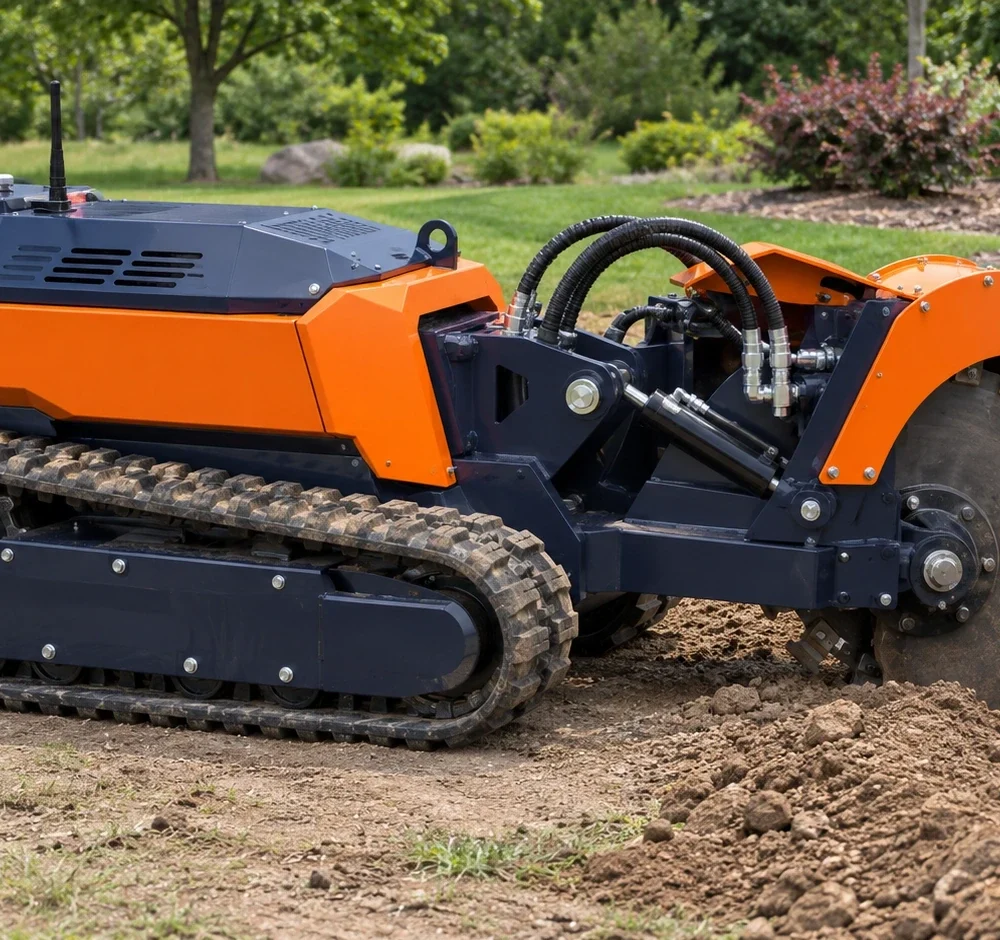
Remote Disc Trencher
Earthmoving and material handling, Trenching, drilling and plowing equipment
$5,830per unit · FOB Qingdao Add to cart -
SKU M12
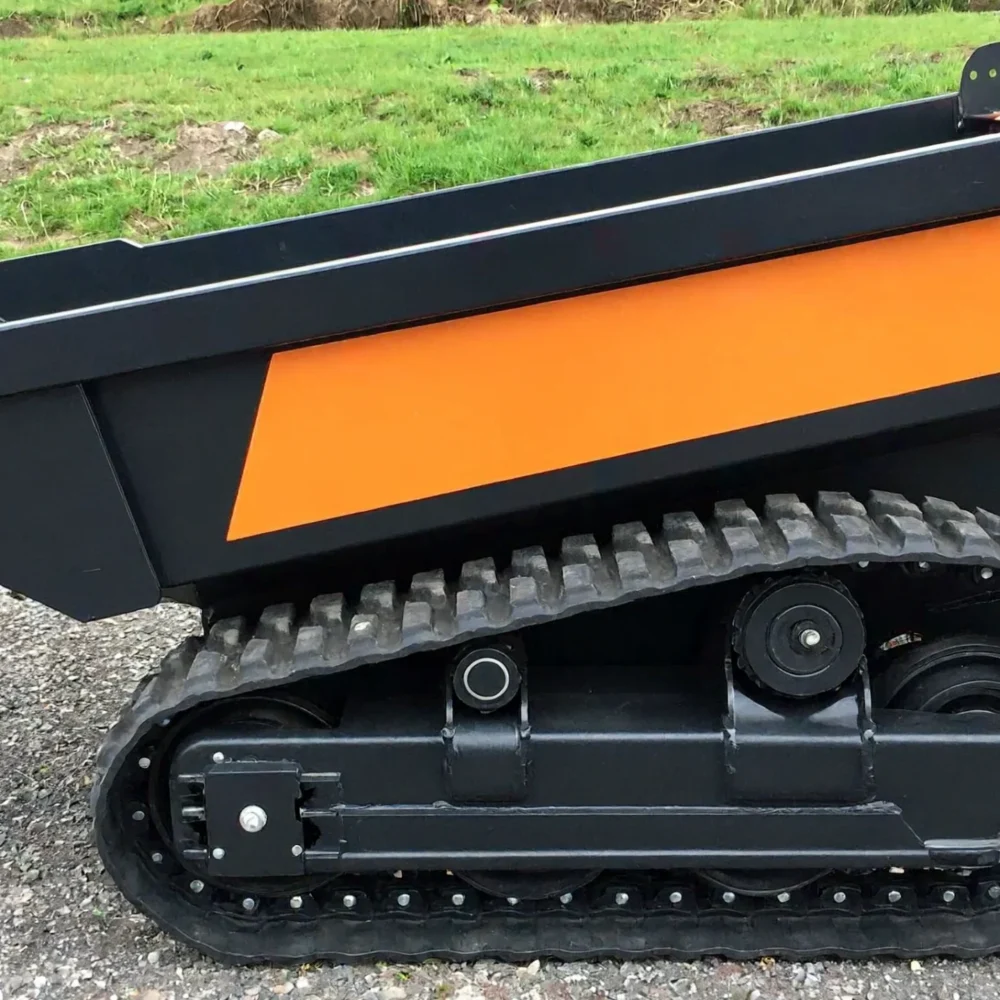
Remote Tracked Dumper
Earthmoving and material handling, Tracked carriers and material handlers
$3,206per unit · FOB Qingdao Add to cart -
SKU N37
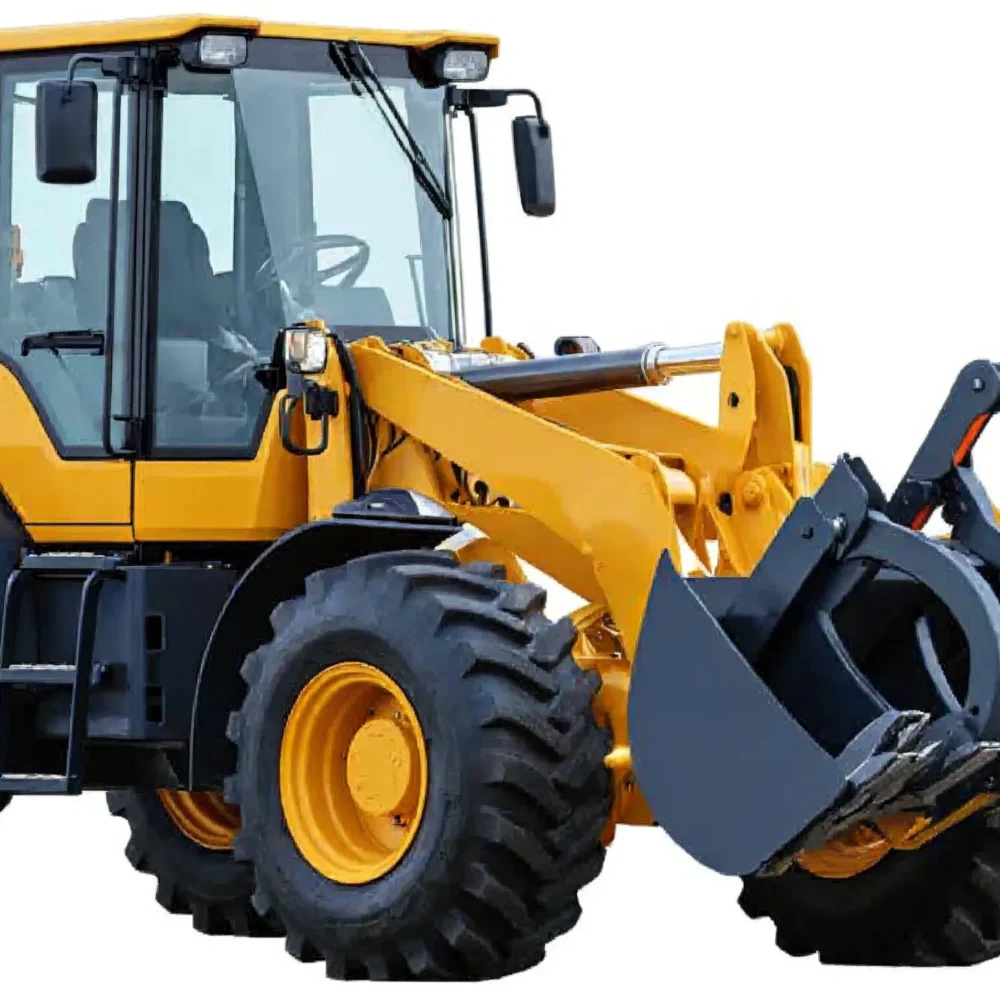
Wheel Log Grapple Loader
Earthmoving and material handling, Tracked carriers and material handlers
$25,440per unit · FOB Qingdao Add to cart -
SKU N53
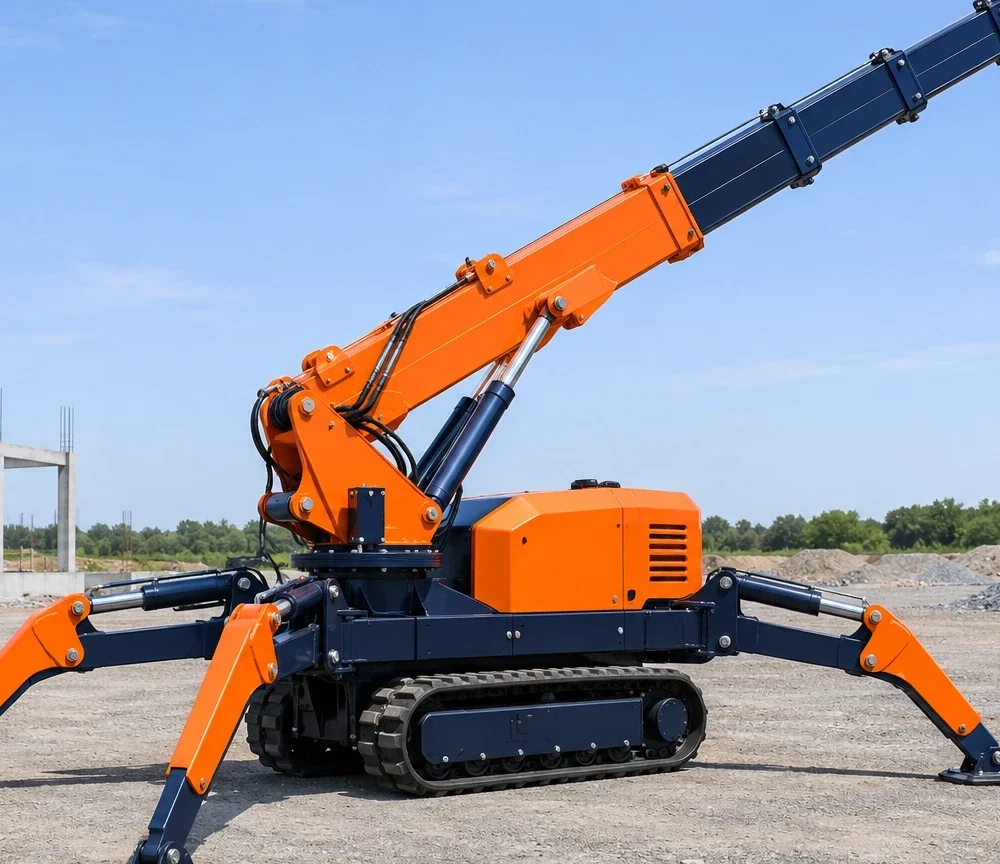
Compact Spider Crane
Earthmoving and material handling, Lifting equipment
$14,310per unit · FOB Qingdao Add to cart