
N30
Snow blower
Registry specifications and configuration: confirmed with each quotation.
View planning details →Home / Equipment / Snow Blowers
B2B / EQUIPMENT CATEGORY
List every route and area that needs attention, including entrances, parking areas, walkways and the path to storage.
Explore this category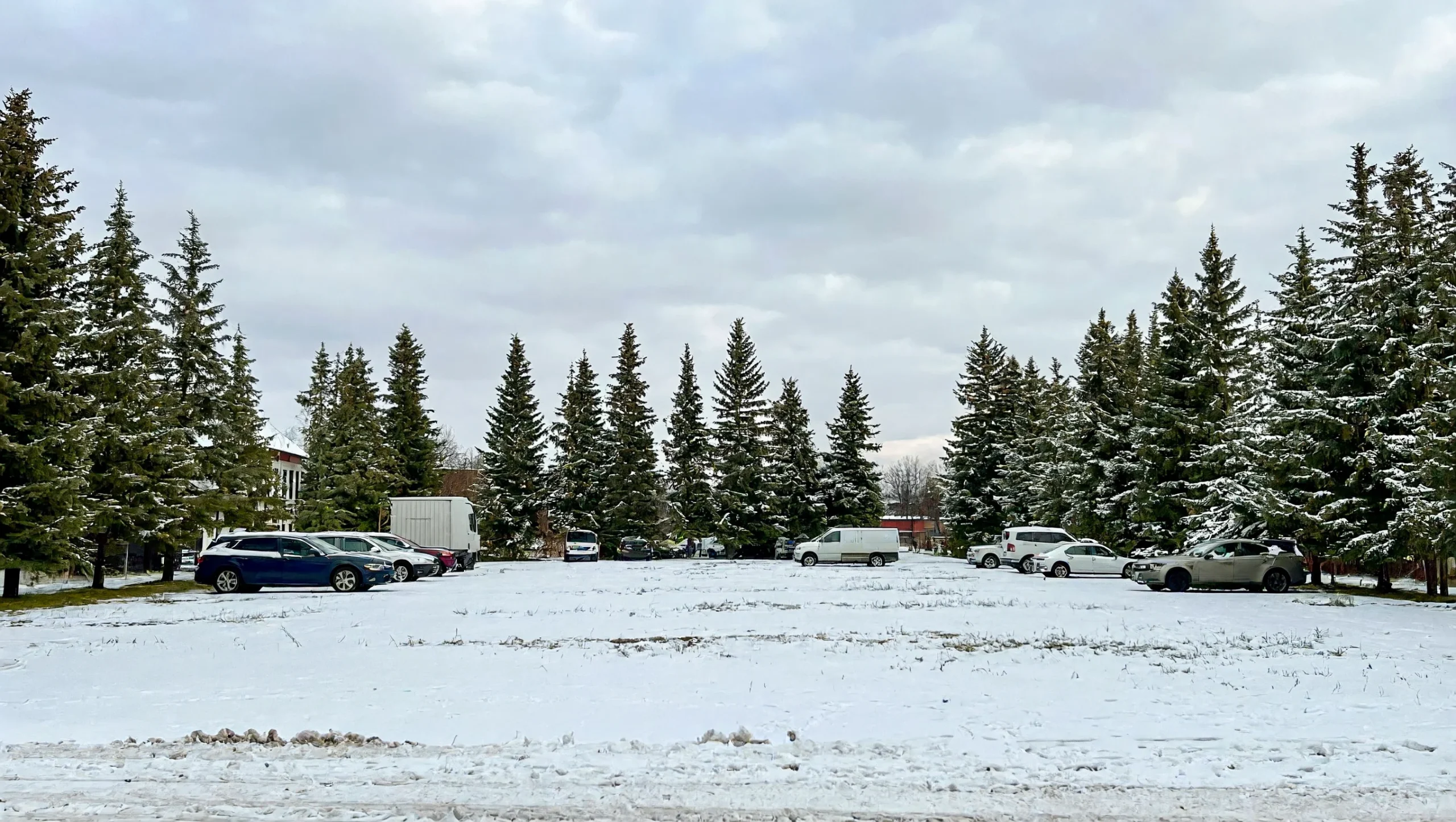
Choose equipment below; your selection stays in this browser tab.
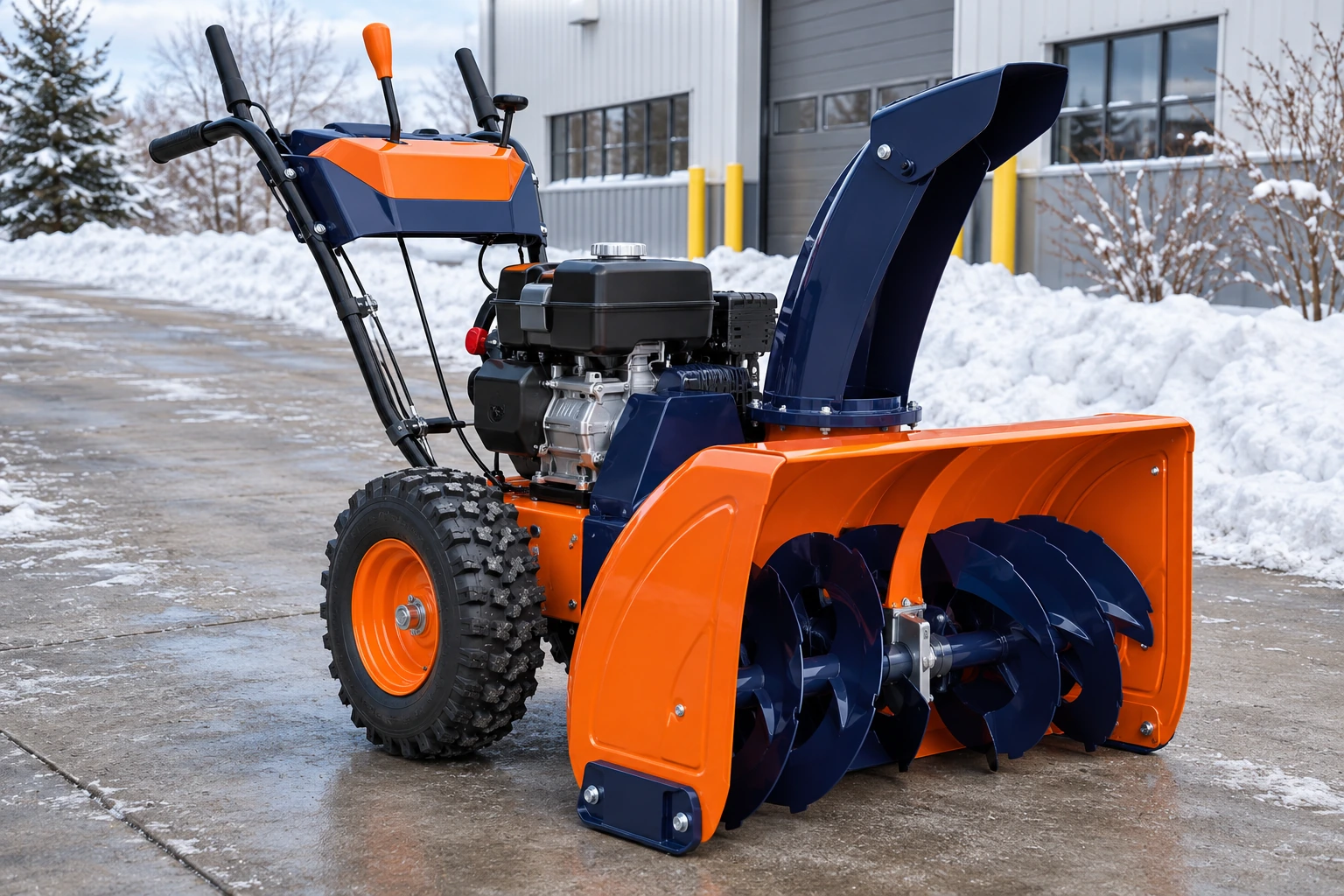
These are planning groups based on registry labels. Propulsion, power source, blower mechanism, dimensions and suitability require confirmation for each offer.
Discuss the proposed controls, clearing equipment and operating documentation.
Registry specifications and configuration: confirmed with each quotation.
View planning details →Compare each proposed machine, power arrangement and clearing equipment separately.
 N65
Registry specifications and configuration: confirmed with each quotation.
View planning details → N66
Registry specifications and configuration: confirmed with each quotation.
View planning details →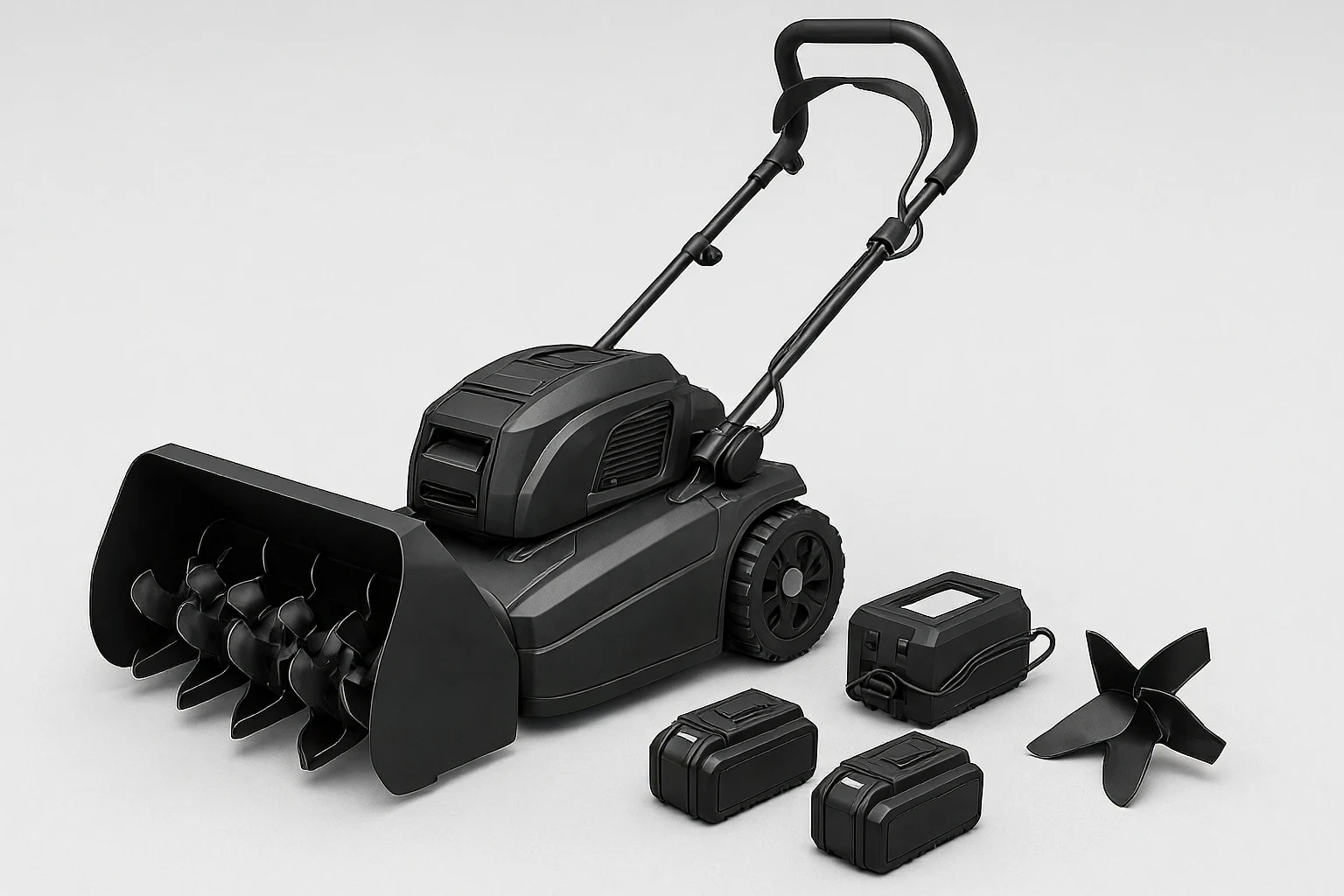 N67
Registry specifications and configuration: confirmed with each quotation.
View planning details →The registry identifies a stand-on snow-removal option; its working mechanism is not confirmed.

Snow-removal option; blower mechanism and configuration confirmed with each quotation.
View planning details →For a different snow-clearing approach, explore this related planning reference. Its equipment identity and configuration are confirmed in the written quotation.
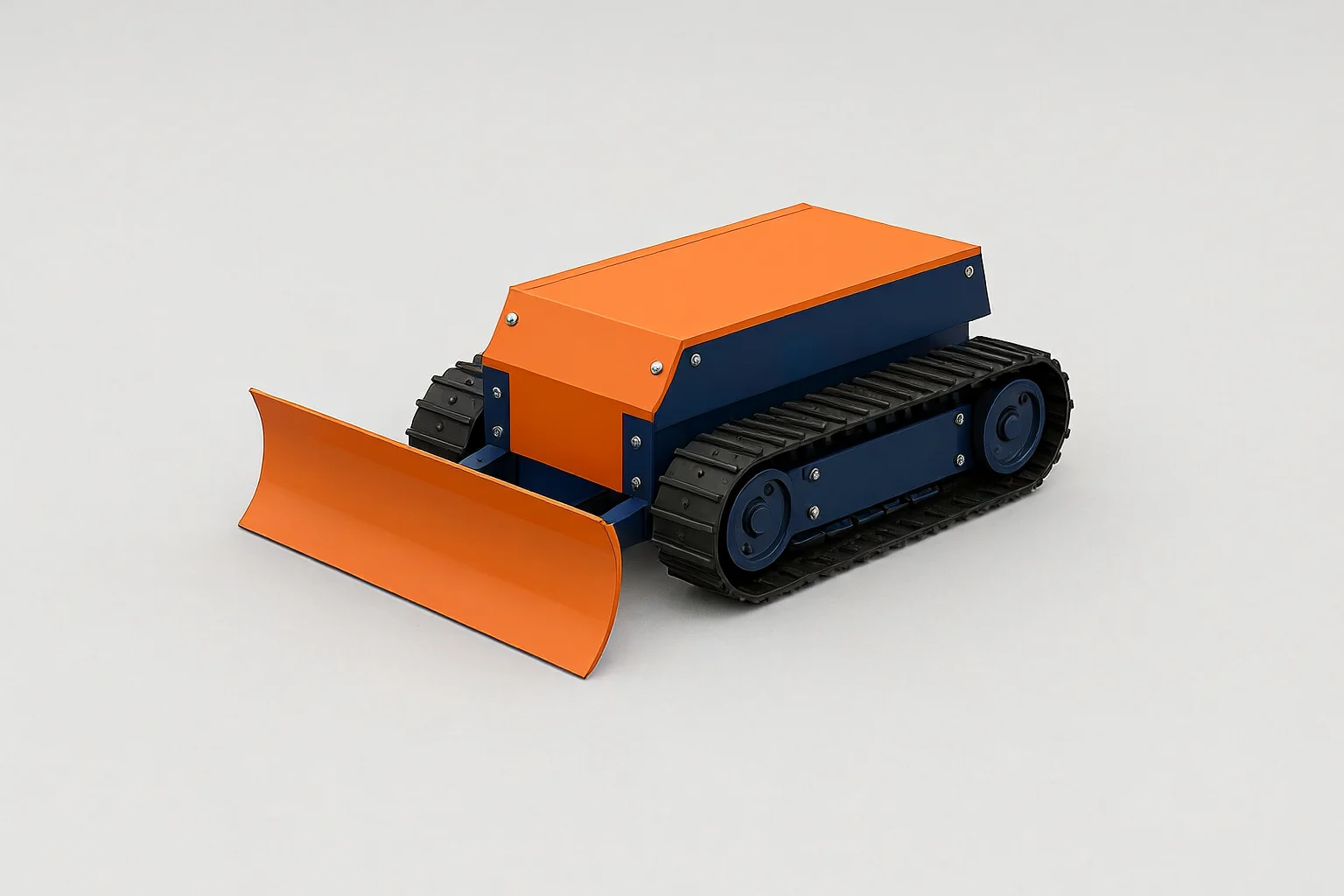
Model and configuration: confirmed with each quotation.
Explore the snow plow →SELECTION GUIDE
Mark gates, narrow points and places where other vehicles or people may be present. Note which areas have different surface types or access restrictions. A site sketch allows each proposed configuration to be assessed against the same work rather than compared only by its name.
Record the typical and exceptional conditions that affect the work, together with the timing of the required service. A commercial buyer managing several properties can keep a separate brief for each one. Ask the supplier which conditions are covered by the proposed model’s written instructions. The information on this page does not establish a supported snow depth, surface condition or operating limit.
Identify where cleared snow may be placed and any restrictions imposed by the property operator or local rules. Include nearby entrances, traffic routes, drainage and other areas that need to stay accessible in the site brief. Ask the supplier for the documented clearing and discharge information for the exact proposed configuration. Do not infer a discharge distance or adjustment from an illustration.
Measure the narrowest gate, passage and storage opening, as well as the space available to turn and load the equipment. Request operating and transport dimensions for the complete proposed configuration, including any accessories that will travel with it. Clarify how the supplier measured those values. Compare the route to the work area as well as the work area itself.
Ask the supplier to identify the actual clearing assembly and the equipment included in the proposal. The category may contain different planning labels, but those labels do not prove which configurations are offered. Request the current model-specific instructions and the conditions behind any published width or capacity. Mark an unverified value as pending instead of copying it from another option.
Request confirmation of the actual power source and the components included in the order. If a battery-powered configuration is proposed, ask which battery and charger are supplied, what compatibility has been confirmed and what conditions apply to any stated runtime. For any configuration, ask what storage and maintenance instructions apply at the destination. A category name does not establish a power system.

Ask for the controls, stop functions and operator instructions for the exact proposed unit. Where remote operation is offered, request the visibility requirements, stated control range and documented response to lost communication. Identify which controllers and accessories are included. Training and demonstrations can be discussed separately, but their availability and terms are confirmed in the written quotation.
Keep the revision and date of the specification and instructions with each offer. Verify that the dimensions, included equipment and operating conditions refer to the same configuration. If a supplier cannot provide a document, record the missing information and the decision it affects. This makes a shortlist useful without turning a provisional figure or a generic category description into a machine fact.

Ask what maintenance information, replacement parts and service arrangements are available for the destination. Identify who would maintain the equipment and whether any training is offered. Request the parts references for the exact configuration rather than assuming components are interchangeable across models. Warranty, support coverage and the supply of replacement components are confirmed in the written quotation.
If a team serves multiple properties, note travel and loading arrangements between sites as well as the work at each location. Ask for the transport weight and loading instructions for the exact proposed package. Record who will receive it and what vehicle or equipment is available, then identify any documentation that the supplier has not yet provided.
Use the model cards to open the planning references relevant to the shortlist. For each model, record the exact identity, configuration and site questions that need answers. The category listing does not confirm availability; only the written proposal can identify what is offered for the intended destination and order.
Send suppliers the same route sketch, conditions, quantity, destination and desired schedule. Request an itemised package, current documents, price, production timing and transaction method for each proposed configuration. Keep unanswered site-fit and support questions with the offer. Confirm destination serviceability and named delivery terms; the default B2B responsibilities are stated in the delivery section below.
DELIVERY AND SUPPORT
For B2B orders, customers pay freight, arrange customs clearance and pay import duties by default. Confirm destination serviceability, delivery terms, documentation and support before deciding.
Explore delivery questions →