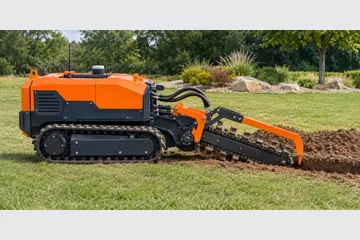
Remote chain trencher · M14
Ask for the actual working assembly, dimensions and applicable instructions.
View M14 →Home / Applications / Utility trenching
APPLICATION / PROJECT SOURCING
Build a single enquiry around the proposed work, access, equipment and separately requested components.
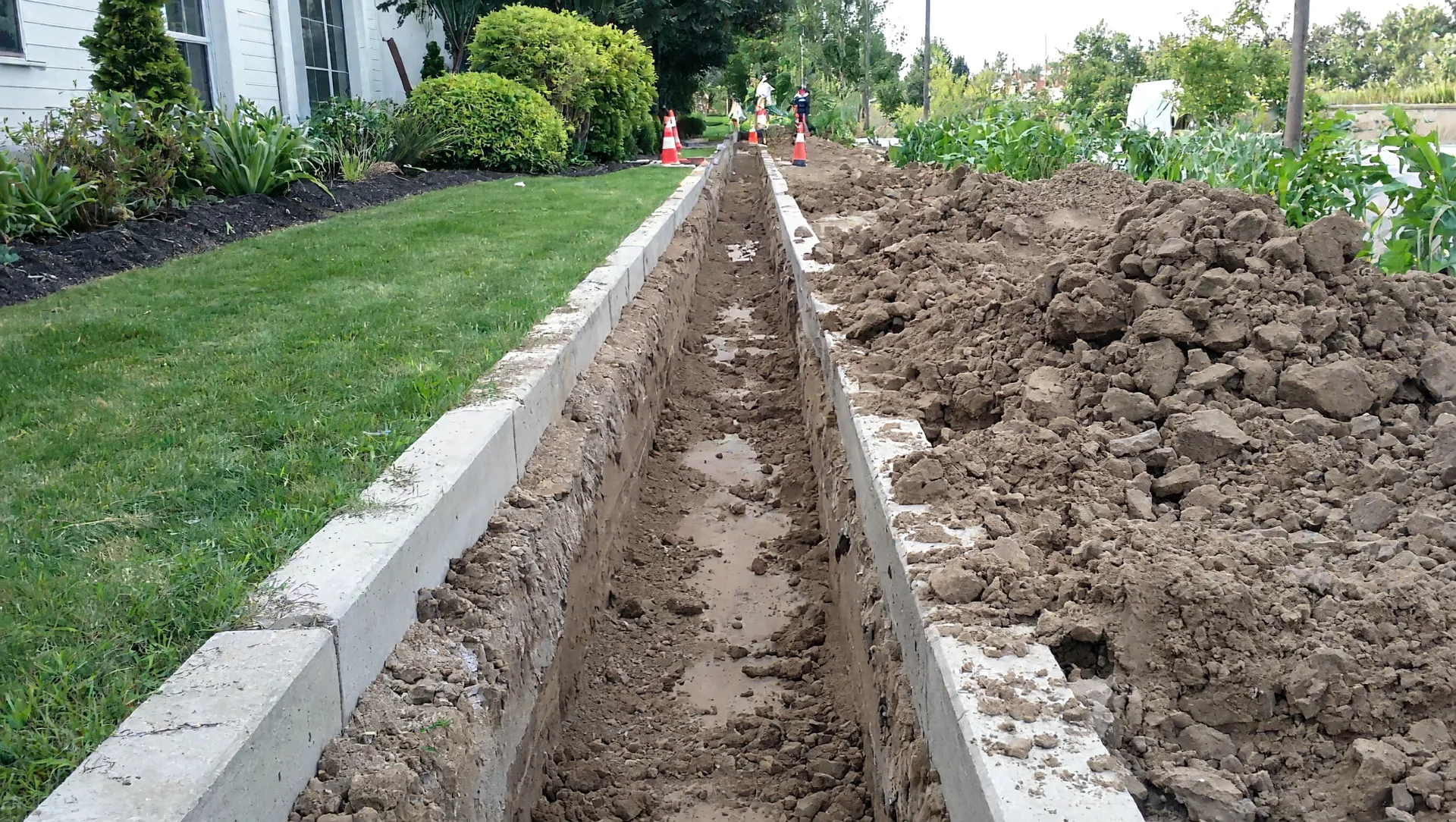
The frozen registry associates M14 and M15 with this application. They are separate models, not confirmed suitable alternatives. Select either or both to include in one local enquiry.
Ask for the actual working assembly, dimensions and applicable instructions.
View M14 →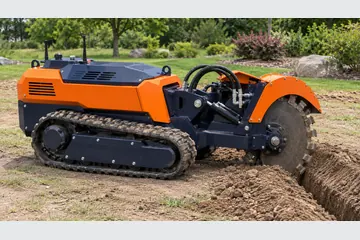
Ask for the actual working assembly, dimensions and applicable instructions.
View M15 →Consider these additional options for the work your project requires. Select only the machines you need; compatibility and suitability require confirmation.
Planning references: exact models, specifications, prices, availability and suitability are confirmed in the written quotation.
Prepare one project enquiry →Local preview only: enquiries are saved on this computer and are not sent to a sales team.
Give each route or work area a name. Describe the intended project, the available plans, the ground information supplied by the responsible parties and the anticipated sequence. Distinguish information that has been checked from a preliminary drawing or a buyer assumption. If several sites are involved, keep each set of photographs and measurements with its own location.
The site brief is an input to a supplier discussion. It does not establish ground conditions, operating limits or a safe method of work. The responsible project team must assess the actual site and provide any information needed for planning.
Identify the buyer’s project contact and the person responsible for coordinating site access, utility information and any required permissions. Share only the information the project team is authorised to provide, and ask who should receive technical questions from the equipment supplier.
Before work is planned, the responsible parties must check the applicable utility information, permissions and site requirements. An equipment listing, photograph or quotation is not a substitute for those checks or for the project team’s decisions. Describe how the project team expects excavated material to be handled, where it can be temporarily placed and what separate equipment the buyer needs to request for moving it. Identify the available space and the responsible contact for that part of the work. If other machinery or attachments are requested, list them individually; their availability and compatibility are not established by this application page.
Show the route from the receiving location to storage and each intended work area. Record known restrictions such as gates, turns, overhead obstacles and the space available for unloading or manoeuvring. Note where access differs between sites and which measurements are still missing.
Ask for the documented transport and operating dimensions of the complete proposed configuration, including working equipment where relevant. Compare the same measurement basis with the site brief. A working width alone does not establish that the whole package will pass through a gate.
For each area, explain the project’s required route, intended dimensions and how the buyer expects the work to be handed over. If the project has different ground descriptions or finished requirements along the route, identify those segments separately instead of using one average.
Ask the supplier which current documents address the proposed working assembly and the buyer’s stated requirements. Do not treat the name chain or disc as evidence of a particular working depth, width, ground capability or finished result.
Request the actual machine identity, power arrangement, controls and working assembly for each offer. Ask for the supplier’s equipment list and the current instructions that correspond to that exact combination. If alternatives are proposed, request separate lists rather than combining features from several quotations.
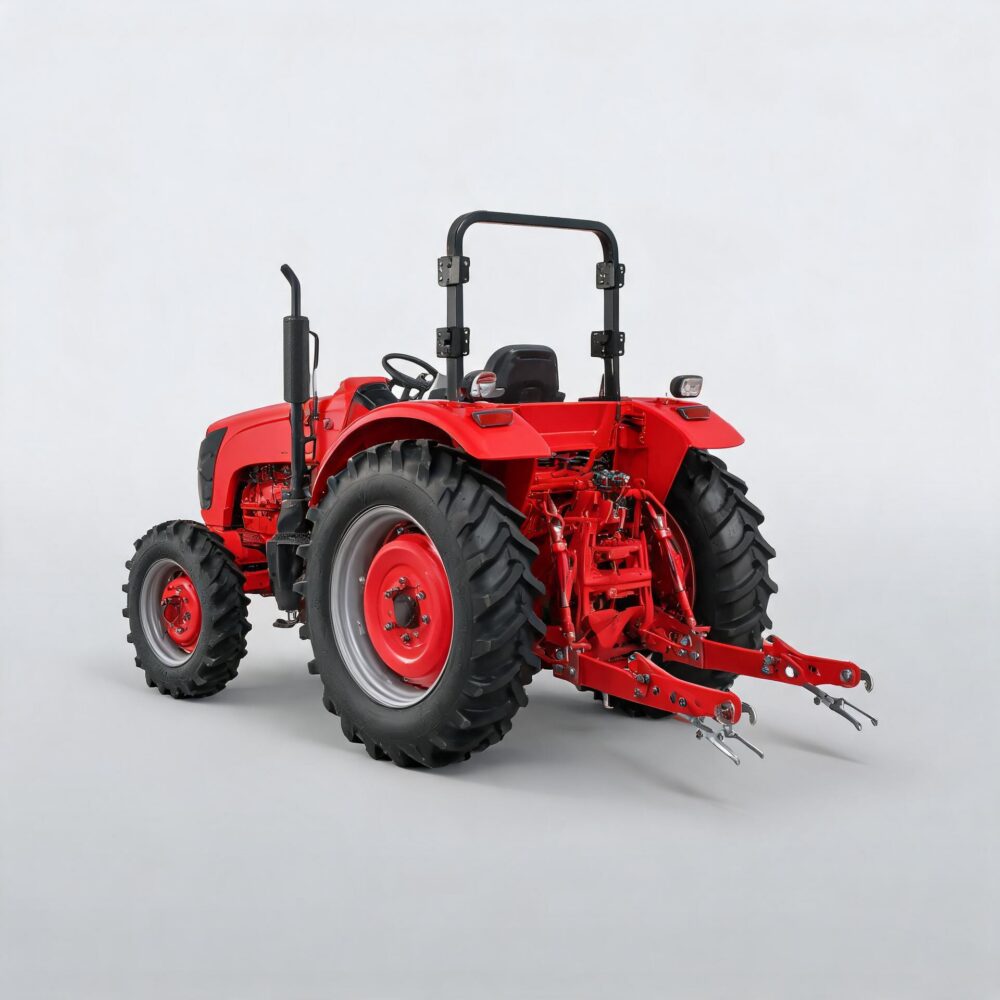
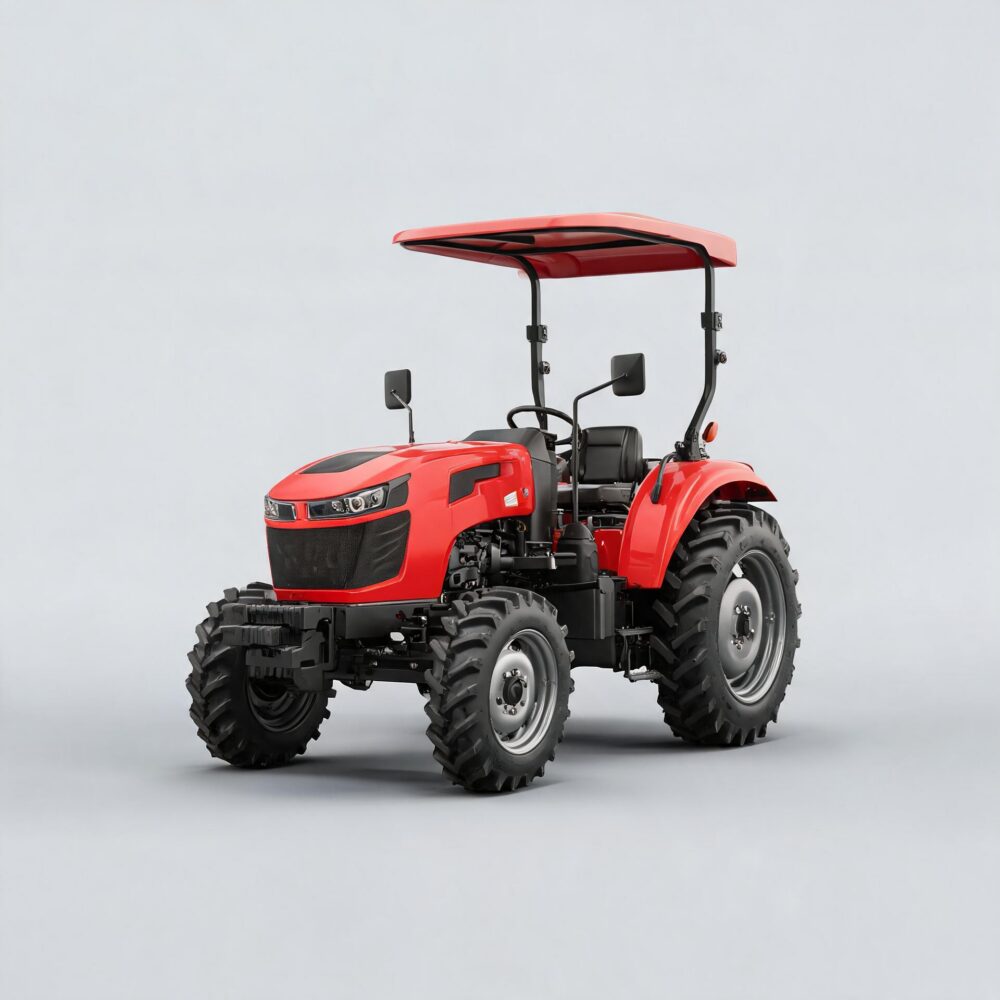
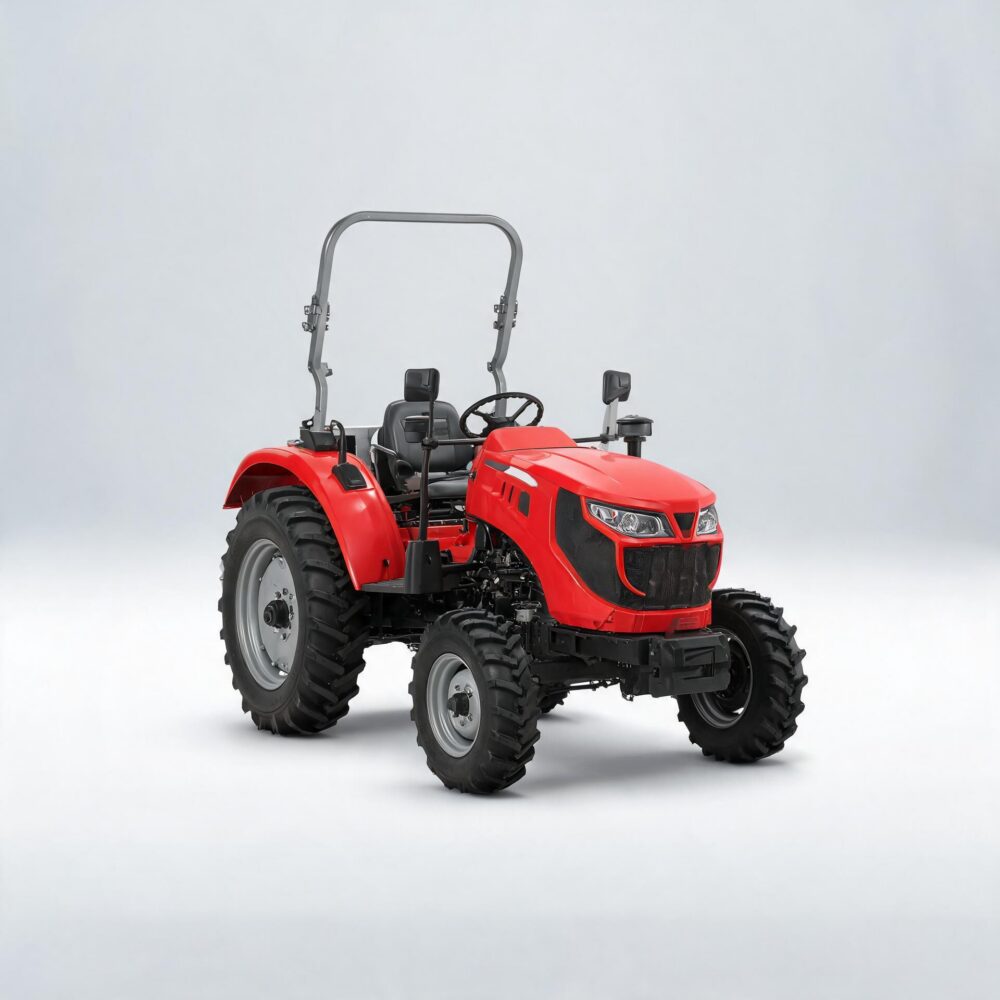
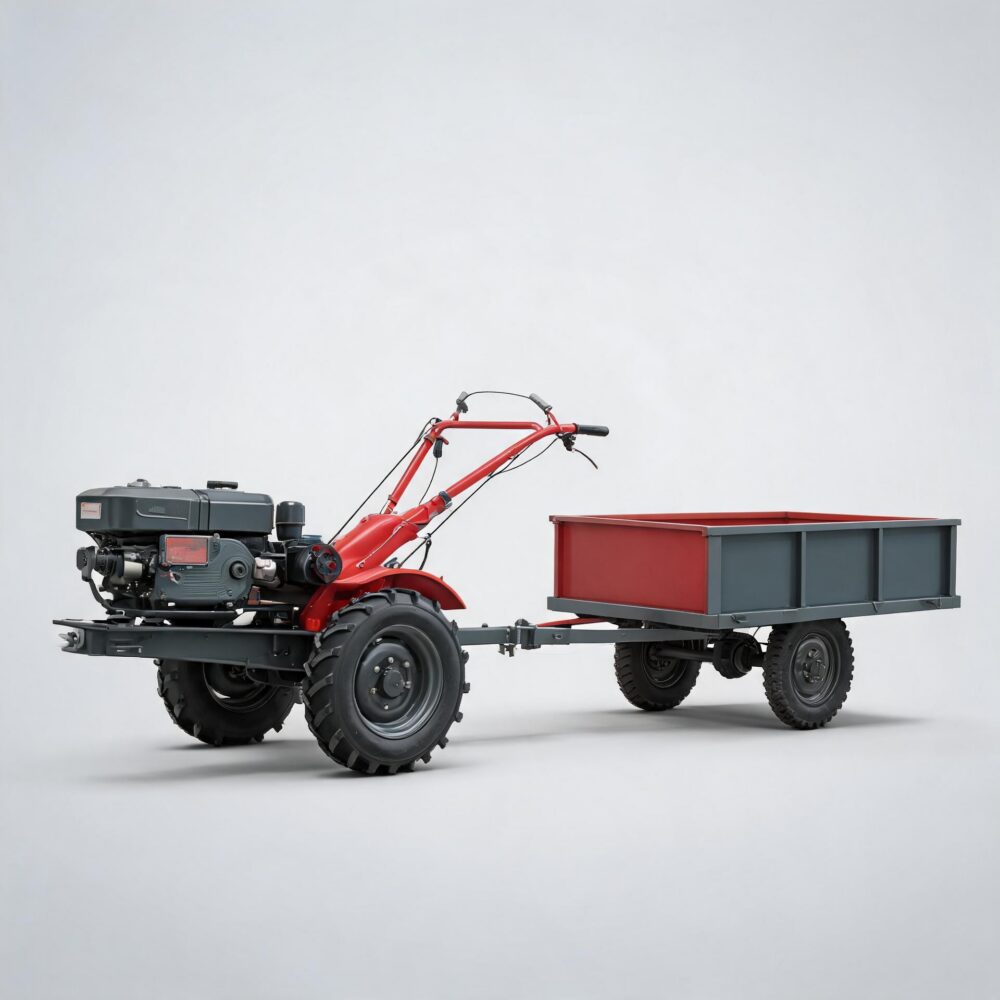
M14 and M15 are planning references. Their actual configuration, operating conditions and suitability remain open until documented. A proposed alternative should be assessed on its own evidence, not on an image or a competitor’s published specification.
List any working components, replacement parts or other equipment that the buyer wants priced separately. For every proposed item, ask whether it is included, optional, supplied by the buyer or unanswered. Keep the price and identification with the corresponding machine proposal.
If a carrier and working attachment are proposed separately, request written information about mounting, power, controls and compatibility for the precise combination. The page does not establish that any particular accessory fits either option.
Provide the supplier with the ground information the responsible team has actually established, and identify any section where the information remains incomplete. Describe practical constraints such as limited access, nearby structures, timing restrictions and how the project will receive equipment.
Ask which documented conditions and limitations apply to the offered configuration. A sales description cannot establish the machine’s capability for an unverified surface. Keep unresolved ground and site questions visible for the responsible project team and supplier.
If a remote-control arrangement is offered, request the machine and controller instructions together. Ask the supplier to identify the supplied controller, stated visibility requirements and documented response to a lost signal, where applicable. Share any project-specific requirements with the supplier.
Do not assume a particular control range, unattended operation or stop behaviour from the planning label. Ask separately whether instructions, training or demonstration can be supplied for the destination and configuration; no such service is confirmed here.
A buyer coordinating multiple jobs can identify the equipment quantity, destination and intended schedule for each project. If a spare machine, replacement working components or additional documentation is requested, list it as a separate line rather than assuming it is part of the base package.
For each alternative, request the proposed production timing and the event on which that timing depends. Separate the buyer’s desired delivery date from a supplier’s written proposal. Availability and lead times for both options are confirmed in the written quotation.
Identify where the buyer expects to maintain the equipment and who will keep the documents. Request the applicable operating and maintenance information, parts identification, warranty terms and destination service arrangements for the exact proposed machine. State the language needed by the team.
If the buyer wants initial spares, ask for a separate list and prices, with the relevant machine and component identifiers. A similar-looking part or attachment does not prove interchangeability. Parts availability, training, warranty and local service remain open until confirmed.
Give each supplier the same project brief, equipment quantities, destination and schedule. Request a dated itemised quotation identifying the machine, working assembly, controls, requested accessories, documents, price and exclusions. Record the document revision and the configuration to which each response applies.
Keep the buyer’s own estimates separate from supplier prices. Ask for the validity period and clarify unanswered items before a purchasing decision. A lower base price cannot be compared fairly with a package that includes additional components or services.
Ask for packed dimensions, weight, handling information and the number of packages for the actual proposal. Compare this information with the receiving point and unloading equipment available to the buyer. If parts arrive separately, ask how they are identified and who will receive them.
For B2B orders the buyer pays freight, arranges customs clearance and pays import duties by default unless otherwise agreed. Destination serviceability, insurance, unloading, delivery terms and the final transaction method require confirmation for the specific order.
RELATED INDUSTRIES
Utility trenching equipment for your project is best evaluated as a work package, not as a catalogue label. Define the material or vegetation, the working area, the access route and the result the site team expects. For Utility trenching equipment for your project (SKU ), record the proposed machine, attachment interface, operating limits, transport dimensions and destination before comparing quotes. Model identity, configuration, price, lead time and availability are confirmed in the written quotation. A useful Utility trenching equipment for your project shortlist separates the task, site access, equipment package and commercial terms so each supplier answers the same question. The sections below show what to measure and what to request in writing, without treating a category name or an illustration as proof of suitability.
Describe the material, vegetation or surface, the area covered and how often the Utility trenching equipment for your project task repeats. Record the result expected after the pass.
Measure gates, aisles, overhead clearance, turning space, slopes and ground conditions. Add photographs and a route sketch, then have the site team confirm them.
Ask which machine, attachment and configuration are proposed. Confirm the interface, operating limits, documentation and transport dimensions for that exact package.
Put equipment, attachments, documentation, packing, freight, customs, price validity, lead time and support on one comparison sheet.
| Decision | What to record |
|---|---|
| Work package | Material or vegetation, area, frequency and required finish for Utility trenching equipment for your project |
| Access | Gate or aisle width, overhead clearance, turning space, slope and ground condition |
| Equipment | Proposed machine, attachment interface, configuration and documented limits |
| Delivery | Packed dimensions, weight, destination, unloading and customs responsibility |
The access route is part of the Utility trenching equipment for your project decision. Measure the narrowest gate, aisle or doorway, the overhead clearance, the turning space and the ground surface along the route. Record slopes, soft ground, kerbs, drainage and finished surfaces. If the route crosses a public area, occupied building or restricted site, add the working hours and permissions supplied by the responsible team.
The working area also needs a simple sketch. Mark where the material or vegetation is, where it must be placed, and where the operator can stand safely. For a machine, confirm the space needed to change attachments, refuel or recharge, clean down and store the unit between shifts. A route that works for an empty machine may fail once a trailer, attachment or load is added.
Before delivery, confirm the packed dimensions and weight, the unloading method and the receiving contact. Check that the destination can accept the transport vehicle and that the site can move the unit from the unloading point to the working area. Where these details are unknown, leave them blank in the enquiry rather than guessing.
For B2B orders, LYVIK’s default position is production to order, with the customer arranging freight, customs clearance and import duties unless a written agreement says otherwise. The B2C market is planned for North America. Destination serviceability, transaction method, price and lead time are confirmed in the written quotation for each Utility trenching equipment for your project proposal.
Keep the quotation comparable. Put the machine, attachments, documentation, packing, freight, customs, price validity, lead time and after-sales support on separate lines. Ask each supplier to identify the document revision and to mark any value that is an estimate. That makes it easier to see whether two proposals describe the same scope or only the same category.
Map the Utility trenching equipment for your project work across the year rather than around a single busy week. Record peak periods, idle periods and the tasks that must be completed within a weather window. If the same unit will cover several seasons, list the attachments and changeover steps needed for each one. A proposal that looks efficient in one season may leave the crew short in another.
For each task, note the expected daily output, the number of operators and the support equipment needed. Include transport between sites, refuelling or charging, water or material supply, and cleanup. These inputs often determine whether a larger machine reduces total work or simply moves the bottleneck somewhere else.
Ask how each attachment is mounted, what controls or hydraulic supply it needs, and how long a changeover takes with the crew available on site. Confirm that the attachment is documented for the proposed carrier. Do not assume that a shared mounting standard proves compatibility across models.
Request the operator manual, maintenance schedule, parts list and warranty statement for the exact configuration. Record who will receive the documents and who will train the operators. A complete handover package is part of the equipment offer, not an administrative extra.
Compare the work package, access, proposed machine and configuration, documentation, transport and commercial terms. A model number alone does not establish suitability.
Price is confirmed in the written quotation and depends on configuration, attachments, packing, freight, destination and duties. Request a written quotation with each line separated.
Only if the attachment, interface and operating limits support each task. List the tasks separately and ask the supplier to confirm every combination.
Measure gates, aisles, overhead clearance, turning space, slopes and ground conditions. Confirm the route with the site team and note any restricted area.
Ask for model and configuration, attachment list, manuals, packing, delivery point, freight basis, customs responsibility, price validity, lead time and warranty terms.
Use the same work brief, site measurements and configuration list for both. Compare the proposed equipment package, documentation, transport, price validity, lead time, duties and support line by line. Do not compare a bare machine price with a complete delivered package.
Leave unknown values blank and state that they still need confirmation. A supplier can respond with assumptions, but those assumptions should be written down and checked before an order. Do not treat an estimated dimension or capacity as verified.