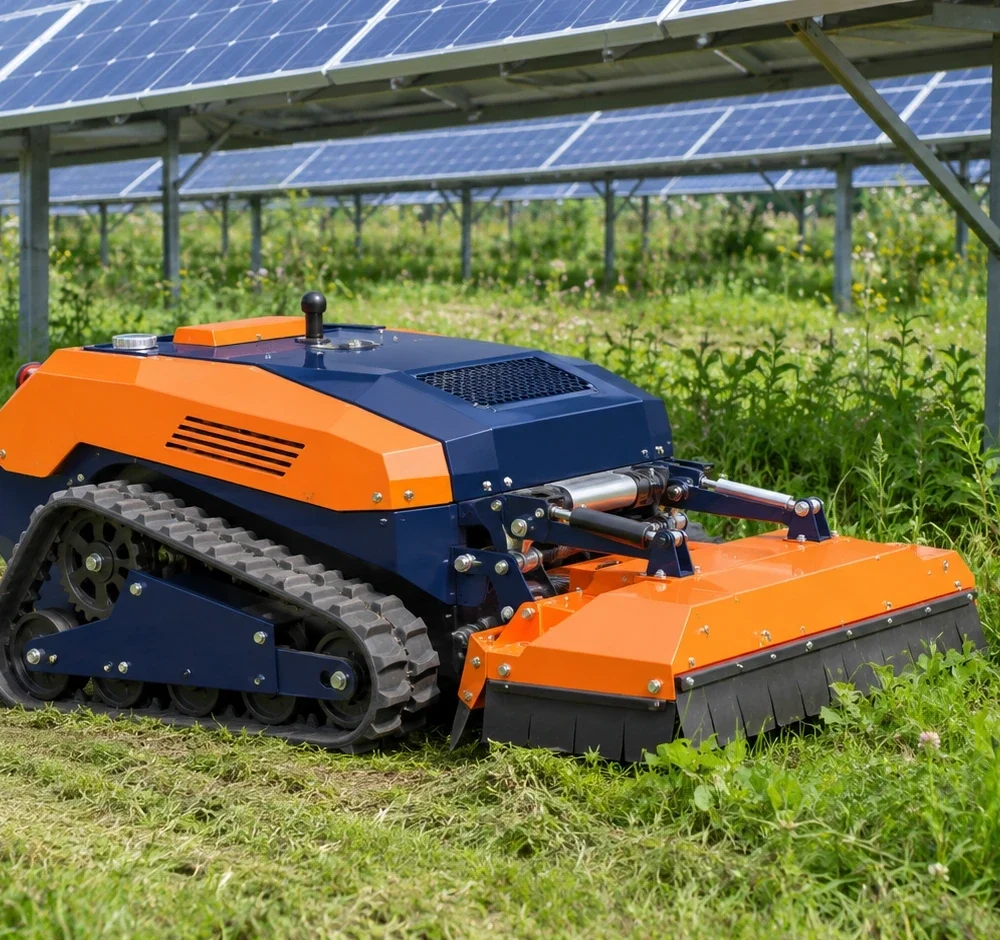
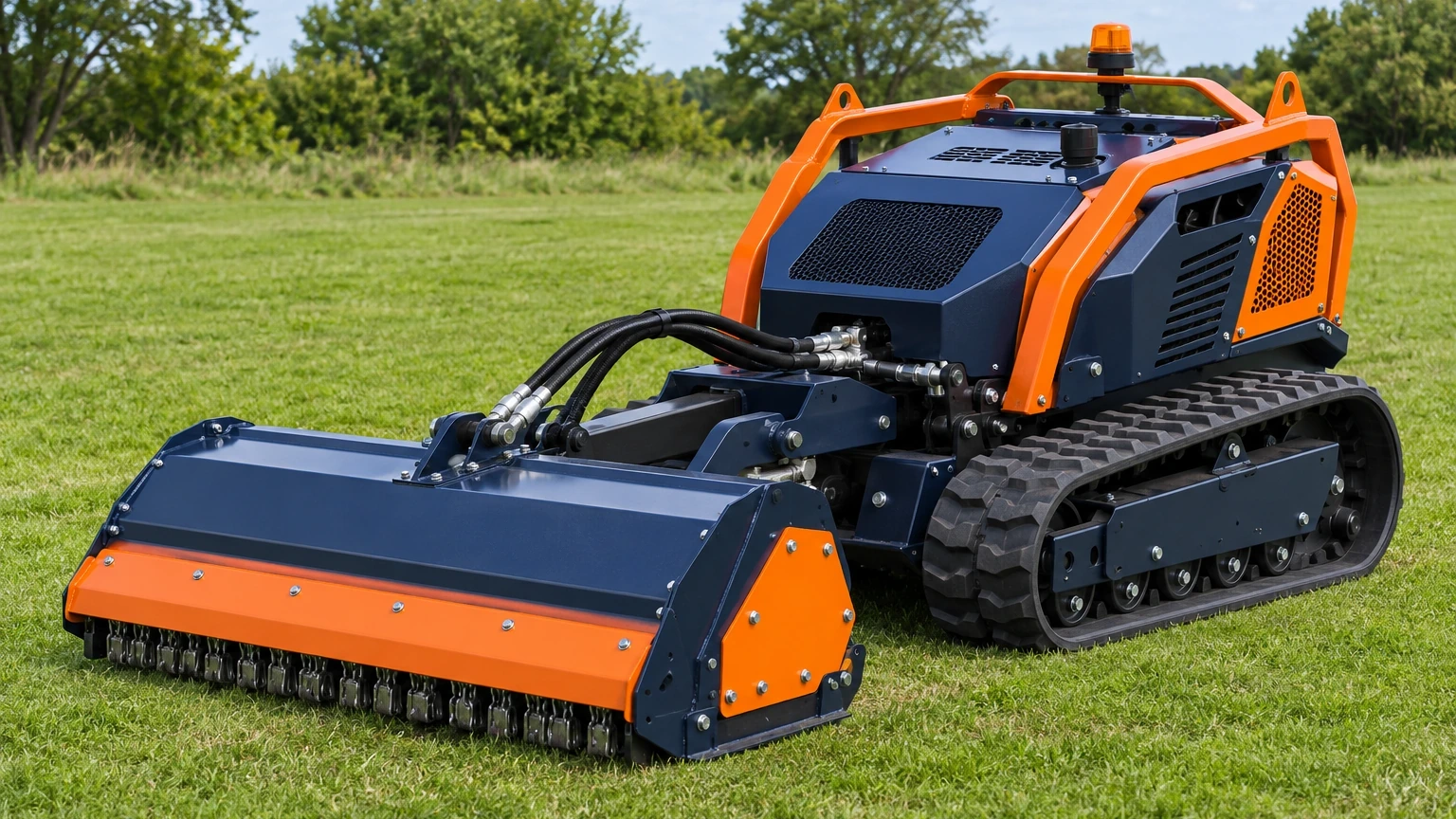
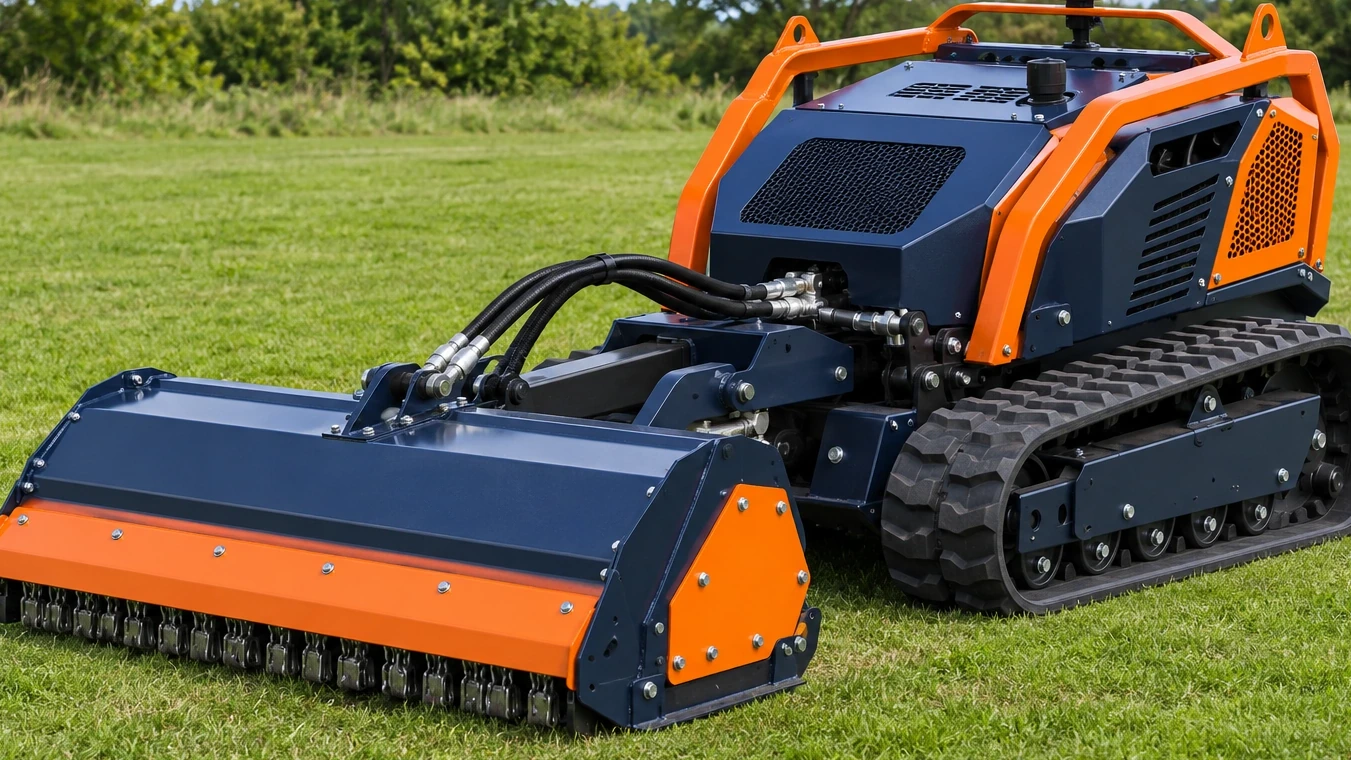
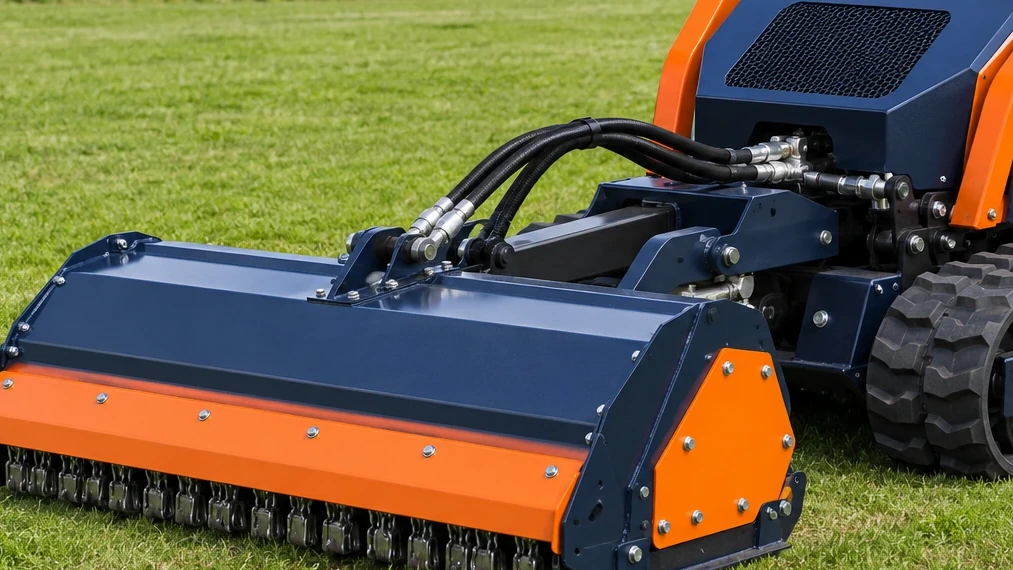
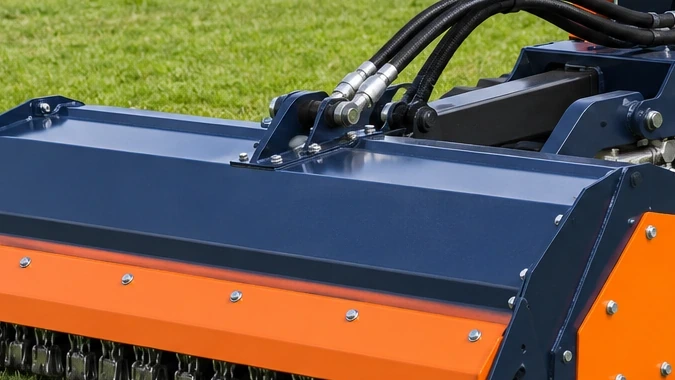
Remote Control Flail Mower
SKU M10$6,996 per unit · FOB Qingdao
40% deposit, balance before shipment. Ocean freight, insurance, duty and destination charges excluded.
Volume discount
- Order over US$30,0003% offpay 97%
- Order over US$60,0005% offpay 95%
Discount eligibility depends on the products and order value. Final pricing is confirmed in your quotation.
- Working width / capacity
- 900mm, 60deg
Remote Control Flail Mower (SKU M10) — weeding, trimming and cleanup machines from LYVIK. Indicative unit price US$6,996, FOB Qingdao.
No online payment. Checkout creates a proforma-invoice order; we reply with bank details within one business day.
Overview
Remote Control Flail Mower (SKU M10) belongs to our weeding, trimming and cleanup machines range, supplied by LYVIK. Built for commercial grounds maintenance, landscaping crews and vegetation control on slopes, verges and open ground.
Price is US$6,996 per unit, FOB Qingdao. Orders are confirmed by proforma invoice: 40% deposit to start production, balance before shipment. Ocean freight, insurance, import duty and destination charges are excluded. Volume discount: 3% at US$30,000 and 5% at US$60,000 of eligible order value.
Reference values: working width / capacity: 900mm, 60deg.
Reference details and specifications on this page describe the base configuration. Final mount, hydraulics, width, engine, packing and certification are confirmed on the order-specific specification sheet before the proforma invoice is issued.
Product details
Product details
- Carrier / interface
- remote crawler; no quick-attach
- Drive / hydraulics
- self-propelled
Reference basis. Final configuration is confirmed on the order-specific specification sheet.
Product specifications
Product specifications
| Working width / capacity | 900mm, 60deg |
|---|
Reference values for the base configuration. Mount, hydraulics, width, engine and packing are confirmed before the proforma invoice is issued.
Selection guide
Choosing, specifying and ordering Remote Control Flail Mower
Plan the work and the order
Describe the vegetation and maintenance cycle
Note whether conditions vary across the site or during the year. These observations form a work brief for the supplier; they do not establish that a proposed machine can process a particular material.
The listing describes M10 as a remote-control flail mower. Do not use the planning name or a generic photograph as a confirmed specification.
Ask which documented material limits apply to each proposed working assembly, how any stated size or condition is defined, and whether the instructions address the actual work brief.
Separate the sites in a multi-property order
Give each property or work area an identifier and record its access, surface, vegetation and restrictions. A contractor may encounter different requirements at a roadside edge, an open area and a route between them. The same set of questions can be sent to suppliers for every location.
Highlight the most restrictive gate or turn and the areas where the intended work differs. Ask the supplier to identify which proposed configuration and documents address each part of the brief. A response about one site should not be treated as approval for another.
Coordinate the fleet and the work schedule
When several crews maintain different locations, prepare a schedule showing the equipment quantity, intended site and expected frequency of work for each crew. Identify whether machines need to move between properties and whether the buyer intends to keep a spare machine or working components. These are purchasing choices for the project, not standard equipment in the M10 listing.
Ask suppliers to quote each equipment and requested spare separately and identify the documents supplied for each configuration. If alternatives are proposed for different sites, keep their respective component lists and instructions together. Confirm production timing and destination support for the actual order; no spare-machine availability or delivery date is established here.
Measure access and working space
Map the route from unloading to the work area, including gates, turns, overhead obstructions and storage. Request overall operating and transport dimensions for the complete proposed configuration, and clarify the reference points used by the supplier.
Compare overall width with the narrowest passage separately from any documented working width. An attachment or accessory can change the complete machine’s footprint; do not assume a figure for the base unit applies to every proposed package.
Record ground and site restrictions
Describe surfaces, slopes, changes caused by weather, nearby property and other site activity. If slope is relevant, record how and where it was measured, including the route onto and away from the work area. Ask for the written model-specific limits and the conditions attached to them.
A planning label does not establish a permitted slope or safe working method. The responsible operator must assess the site using the equipment instructions and applicable local requirements. Leave any unsupported condition visible in the comparison.
Specify what should happen to cut material
Tell the supplier whether the buyer wants material left on the surface, collected by separate equipment or managed in another way. Describe the vegetation, approximate volume and whether the next job depends on clearing the area. For a contractor serving multiple properties, keep each client’s requirements separate so the equipment proposal addresses the actual result requested.
If collection, disposal or a follow-on operation matters to the project, specify it separately in the work brief. Request evidence and instructions for the actual proposed configuration; the responsible team must decide how the cut material will be handled.
Organize a multi-task grounds contract
A commercial grounds contract may include open-area mowing, hedge maintenance and clearing loose material from paved access routes. Give each task its own work area, expected timing and desired finish. The buyer can ask for separate equipment proposals in one request without assuming that one machine performs every part of the contract.
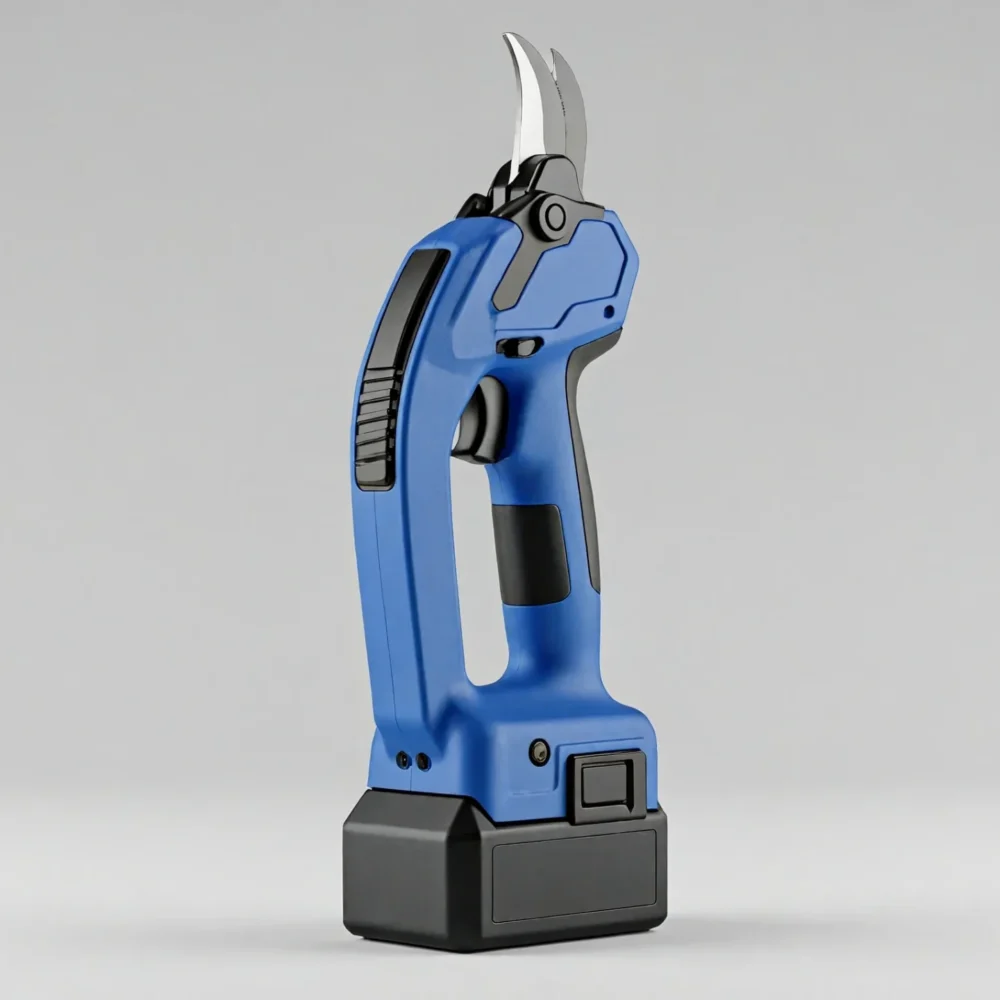
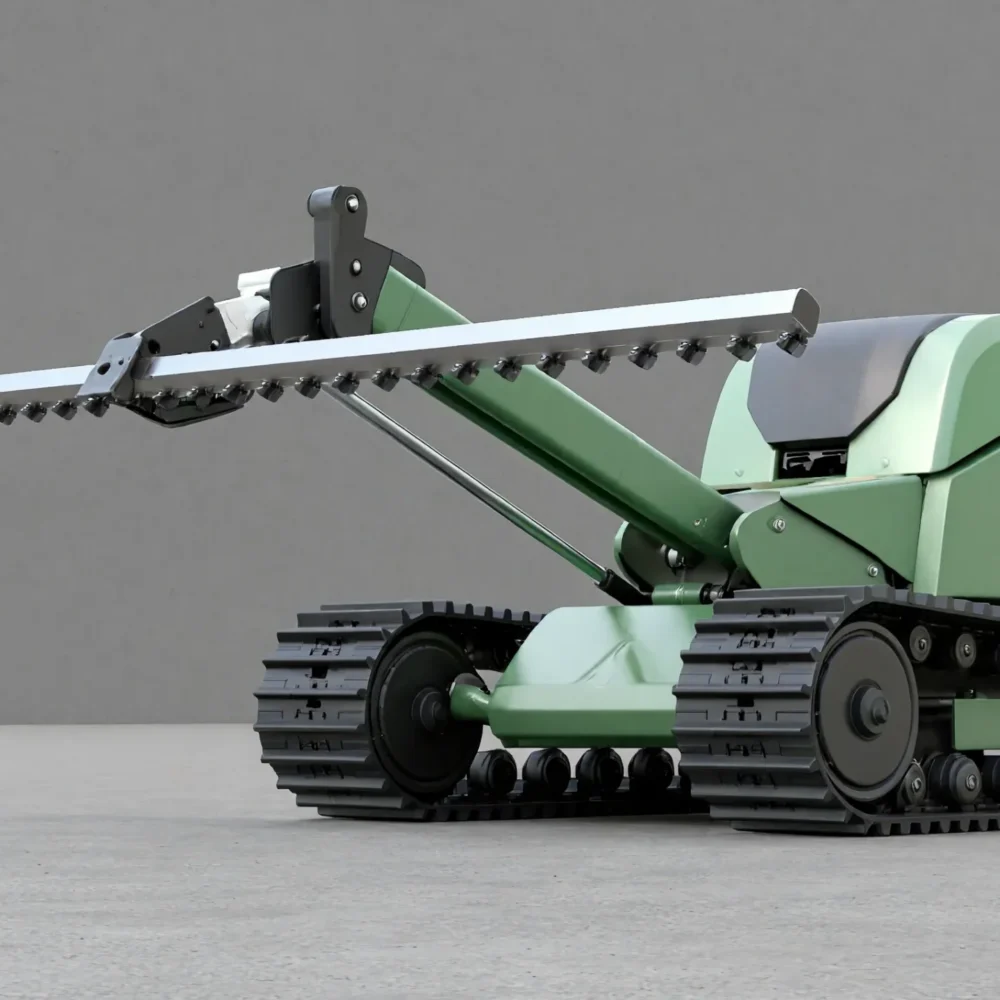
If hedge maintenance or cleanup equipment is relevant, G04 and G03 are additional planning references that can be requested separately. The actual tool models, power arrangements, quantities and availability remain open. They are not included with M10 and are not presented as attachments for it.
Plan the handoff between mowing and cleanup
Describe where cut material may remain and where it must be removed before a following task. A grounds contractor can mark paved routes, entrances and collection points on the same site sketch used for the mowing request. Note who decides how the material will be gathered and how the area is handed over to the customer.
Ask separately about any cleanup tool or material-handling equipment needed for that plan. A planning image does not establish collection performance or the condition of the cut material. M10 working equipment and the result it can produce must be assessed against the written proposal and the responsible team’s site plan.
Compare a routine visit with a deferred site
A maintenance business may have regularly serviced properties as well as sites where vegetation condition is less predictable. Describe those assignments separately, including the available site information and the expected sequence of visits. Provide photographs where appropriate and indicate when they were taken; seasonal growth or later site work can make an older image incomplete.
Ask the supplier what information is needed to assess each assignment and which documented limits apply to the proposed assembly. Do not interpret the listing name as a guarantee that it can clear an unmanaged site. Any uncertain material, obstruction or condition should remain an explicit question for the supplier and the responsible site team.
Document boundaries and nearby activity
Identify the boundary of each area to be maintained and any neighboring roads, paths, vehicles, property or other work taking place nearby. Mark the points from which the operator expects to observe the work and where the view may change. The project brief can distinguish a fenced work area from a route where access must be coordinated with others.
Request the applicable operator instructions for the proposed machine and control system. The responsible team must establish the site plan and required controls for the actual conditions. The remote-control planning label does not establish an unattended operating mode, signal behavior or a safe separation distance.
Request the actual working assembly
Ask the supplier to identify the exact proposed working assembly and provide its current instructions, documented operating information and conditions. Clarify the model and configuration to which each document applies, including the components installed for the intended work.
The word flail in the listing is not evidence of a specific rotor, cutter, adjustment or included part. If alternatives are offered, request a separate itemised description for each. Do not transfer a competitor feature or a value from a different model into the M10 specification.
Compare height settings with the finish required
Describe the desired finish separately for open areas, edges and obstacles, and ask which documented adjustment range and settings apply to each proposed working assembly. Request the measurement basis, the equipment configuration and any restrictions in the current instructions. If different sites require different results, list them separately in the same enquiry.
Separate working-tool options from replacement kits
Ask what working tools are actually included in each offered mower configuration and whether the supplier offers alternative tools or replacement kits. For each proposed item, request its identifier, the machine and working assembly it is intended to fit, its contents and its separate price. Describe the vegetation and desired finish in the same brief so the supplier can explain which documented information applies.
Review the remote-control documentation
If remote operation is proposed, request the machine and controller instructions together. Ask which controller is supplied, the documented visibility requirements and stated range, and what the instructions say about stop functions and a lost signal.
Describe where the responsible operator would need to view the work area and note potential obstructions. Do not assume an automated function, an unattended mode or a safe distance.
Compare the offered working components
Request an itemised list of the machine, working assembly, controls, accessories and documents. Mark each item as included, optional or pending. Ask whether any alternatives change the documented dimensions, maintenance requirements or supporting instructions.
If the buyer needs a particular replacement component, ask how it is identified for the exact configuration. Do not assume that components are interchangeable with another machine. The actual component list and availability remain unverified.
Identify the exact machine and documentation
Ask the supplier to identify the proposed machine by model and revision, and to provide the documentation that corresponds to it. If a formal order is later agreed, ask how the delivered unit and any separately packed components will be identified for receiving and future support. Keep the offer, document revision and configuration list together.
This is particularly useful when a buyer requests an alternative working assembly or several machines over time. A similar photograph or shared category name does not establish that two offers use the same parts.
Ask how the proposed machine is maintained
For a fleet order, identify the team and location responsible for routine inspection, cleaning and service. Ask which parts of the offered configuration need regular access, what tools or training the documented work requires, and whether the supplier can provide instructions in the language required by the buyer. Compare the same tasks across offers, rather than relying on a general low-maintenance claim.
Request the document revision and parts references for the quoted configuration, and ask which training, warranty and destination service arrangements are offered.
Plan transport and receiving
Request transport dimensions, weight, packing and loading instructions for the exact proposed package, including equipment that will travel with it. Compare those details with the buyer’s vehicle, loading equipment and storage entrance.
If parts are shipped separately, identify each piece and ask what is required to receive and install it. Packaging and the shipment arrangement remain pending. Confirm the named delivery terms and unloading responsibilities for the actual destination.
Compare written proposals consistently
Send each supplier the same site and vegetation brief, route measurements, quantity, destination and intended schedule. Keep the equipment list, current documents, price, production timing and transaction method with each quotation.
Mark unanswered questions instead of treating an omission as a supplied feature or a proven limitation. Compare the same configuration and supporting conditions; a headline figure taken from a different model or package is not a reliable comparison.
Close the model and order questions
Before an order decision, reconcile the actual model identity, working assembly, documented limits, controls, included equipment and destination support with the work brief. Keep unresolved site-fit questions visible for the supplier and responsible operator.
Confirm the named delivery terms and destination serviceability for the exact order. The standard B2B freight, clearance and duty responsibilities appear below; any different arrangement must be stated in the order documents.
Compare ownership costs for the planned work
A contractor comparing proposals can use the same planning period, number of sites and expected work schedule for each option. Alongside the equipment price, list the buyer’s estimates for transport, routine maintenance, working components and any separately purchased support. Keep supplier quotations separate from buyer assumptions, and leave unanswered amounts visible rather than treating them as zero.
Request the applicable maintenance instructions, replacement-component identification and any separately quoted service terms for the exact configuration. If a supplier provides a maintenance interval or component-life estimate, record the equipment, material and operating conditions behind it.
Prepare a municipal or commercial tender
A purchasing team can build a schedule of requirements for the equipment, requested quantities, destination, documentation and proposed support. Distinguish mandatory tender requirements from questions on which the buyer is seeking an initial proposal. If a feature is required, ask each supplier to identify the document and exact configuration that supports its answer.
Request separate prices for the base machine, any proposed options and initial spare components. Keep a record of unanswered requirements and any exceptions. A general statement that a machine is suitable for municipal or commercial work is not a substitute for model-specific documentation and the buyer’s evaluation.
Provide a dealer-ready product information request
A dealer or importer can identify the intended market, expected order quantities and the information needed for customer support. Ask the supplier for product identification, current documentation, available language versions and a process for identifying parts for each offered revision. Request pricing and availability of any separately proposed accessories.
If the buyer expects to demonstrate, maintain or support the machine, request the proposed division of responsibilities and identify any unanswered destination requirements. No distribution agreement, warranty response, training programme or local parts inventory is established by this preview; each remains subject to the written proposal.
Separate purchase price from fleet planning
For several crews, list each proposed machine and its expected location, planned work and transport arrangements. Include a separate line for any requested spare unit or consumable package. Ask whether an offer describes identical configurations for all units or whether options and documentation differ by line.
The buyer can use its own work schedule to estimate transport and downtime requirements, while keeping those estimates distinct from supplier commitments. Request the applicable service information and any quoted support costs for each configuration. No production lead time or service interval is confirmed until it appears in the relevant offer.
Track questions through a purchasing decision
Create a simple decision record with three columns: the buyer’s requirement, the evidence supplied for the proposed configuration and the status of any unresolved question. Include work area, operating documentation, the working assembly, controls, transport and included items. A response should identify the machine revision and the conditions to which it applies.
When comparing alternatives, record changes to the configuration rather than copying an answer from one quotation to another. The procurement contact and the responsible operations team can then review the same information. A pending item stays open until the relevant party confirms it for the exact proposed order.
Describe what each crew needs at handover
A fleet buyer can ask operations, maintenance and receiving staff what information they need when equipment arrives. For the grounds team, that may include the applicable operating instructions and the stated conditions for the offered working assembly. For maintenance staff, it may include a parts identification method and the documents relevant to the proposed configuration.
List required document languages and ask which versions the supplier can provide. If a demonstration or training session is requested, specify the destination and intended audience and ask for a separate proposal. Those services and the documents available for the actual order remain open until confirmed.
List power components for separately requested tools
When a grounds contract also requires a hedge trimmer or blower, ask for the power arrangement and included components of each tool independently. If battery-powered equipment is proposed, request the battery and charger identifiers, quantities, input requirements and relevant documentation for each configuration. Do not infer that accessories are shared from similar colors or a matching label.
If the buyer wants spares or a common charging arrangement, ask the supplier to confirm the exact compatible combinations and quote each requested component. These tools are separate planning references and are not included in the mower offer.
Used in these industries
Related products
-
SKU N22
Low-Profile Solar Farm Mower
Grounds and landscape equipment, Remote and specialist mowers
Price on requestquoted FOB Qingdao Read more -
SKU G01
Pruning shears
Grounds and landscape equipment, Handheld pruning and saws
Price on requestquoted FOB Qingdao Read more -
SKU N21
Remote Boom/Arm Vegetation Mower
Grounds and landscape equipment, Remote and specialist mowers
$10,494per unit · FOB Qingdao Add to cart -
SKU M16
Remote Tracked Hedge Trimmer
Grounds and landscape equipment, Weeding, trimming and cleanup machines
$9,646per unit · FOB Qingdao Add to cart