 01 / BLOWER
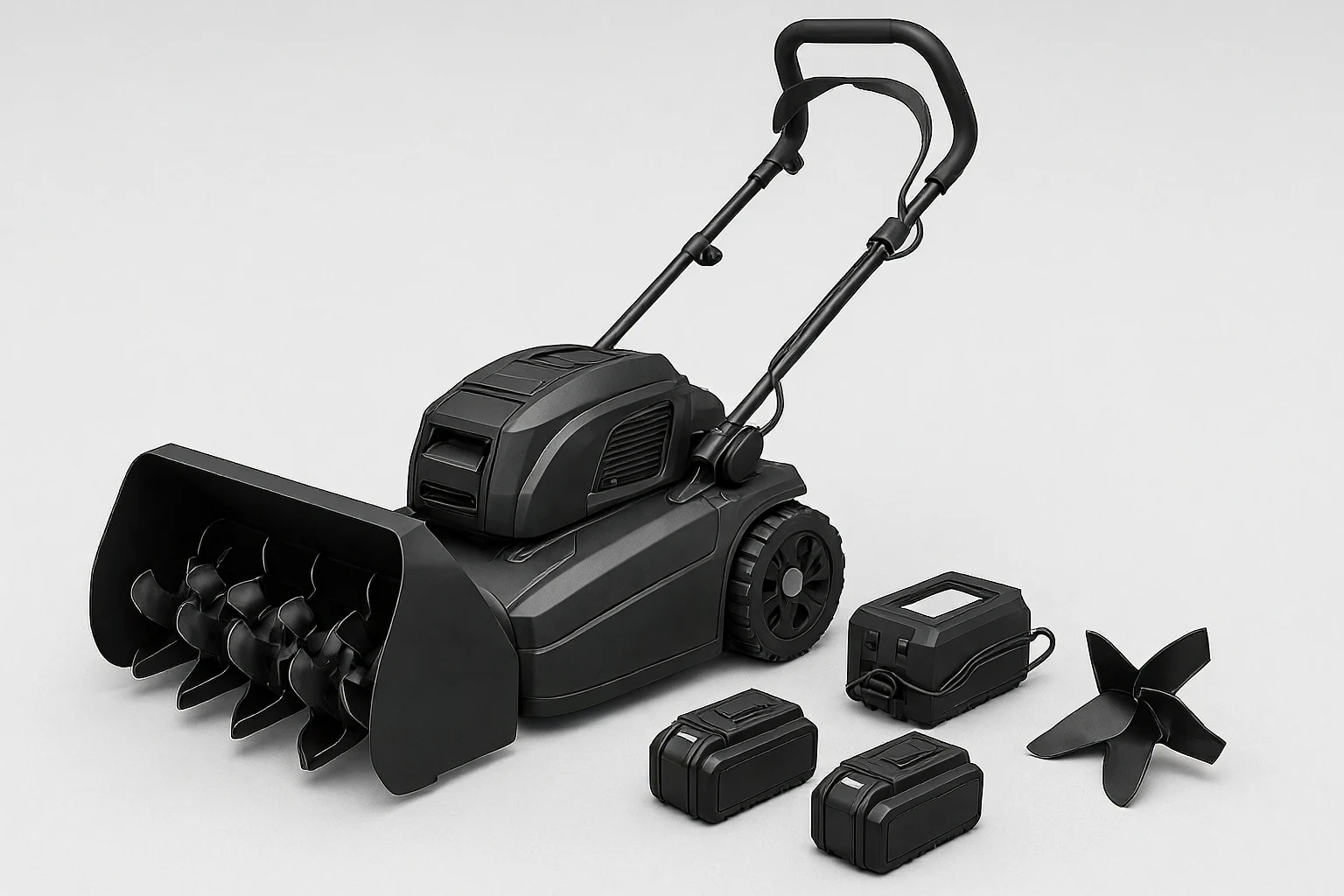
N67 snow blower
Discuss a separately offered machine for a snow-clearing task and request the actual working and power arrangement.
View N67 →Home / Snow equipment / Compare
B2B / SNOW EQUIPMENT
Describe the route, snow and receiving areas before choosing what to request. N67, N68 and N69 are independent planning references; their specifications and availability are confirmed in the written quotation.
Explore options ↓Choose any options you want to discuss. The entries do not establish the equipment's mechanism, performance or suitability for a site.
01 / BLOWERDiscuss a separately offered machine for a snow-clearing task and request the actual working and power arrangement.
View N67 → 02 / SNOW EQUIPMENT
Discuss an equipment proposal for the property and identify the offered working assembly and operator arrangement.
View N68 →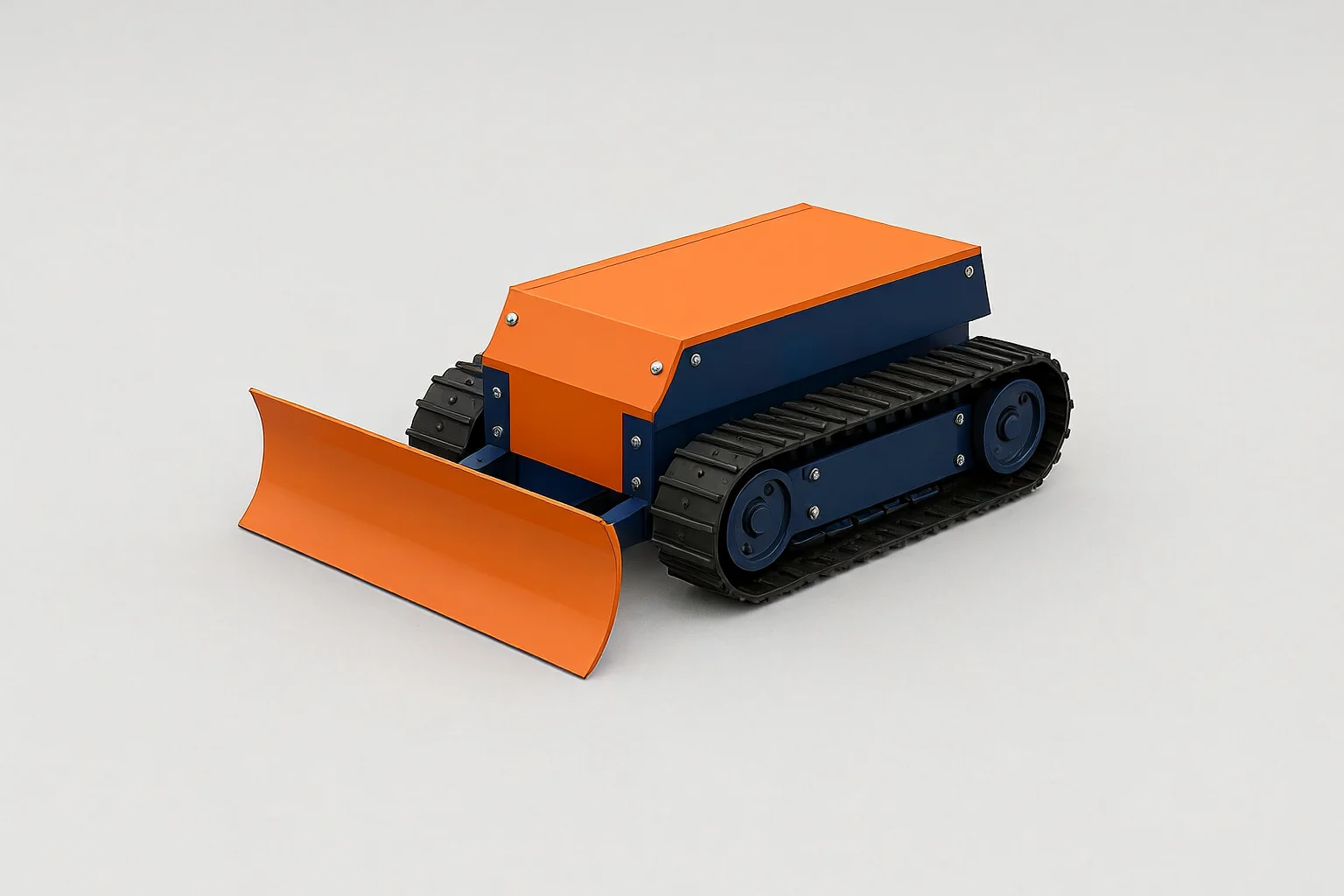 03 / PLOW
Discuss moving snow along a defined route and request the actual blade, machine and control information.
View N69 →SELECTION / SITE REQUIREMENTS
Map each route and its narrowest points.
List the properties and work areas separately: entrances, sidewalks, loading areas and connecting routes may have different widths and restrictions. Measure the narrowest gates, turns and storage entrances, and record fixed obstacles or changes in surface. Explain when pedestrians or vehicles share each area.
Request operating, transport and storage dimensions for each offered configuration. A machine name or picture does not establish the space required for turning, control or movement. Keep the supplier's dimensions and the buyer's measurements together for each site.
Identify the available receiving or placement areas.
Mark where snow accumulates and where it may be moved or placed. Describe site restrictions, nearby entrances, property boundaries and the schedule the buyer needs to meet. Record the conditions normally encountered and any special areas separately; these are project inputs, not product ratings.
Ask each supplier to identify the offered working equipment and the conditions covered in its instructions. N67, N68 and N69 have not been verified as interchangeable solutions. No clearing width, discharge direction, blade adjustment or snow capacity is established for these options.
Compare the complete equipment and its supporting resources.
Ask for the power source, controls and all supplied equipment for the proposed unit. If a battery arrangement is proposed, identify the offered batteries, chargers and applicable requirements. If another arrangement is proposed, request the corresponding operating and storage information instead.
Where remote control is proposed, request the instructions for the exact controller and machine together, including documented conditions for visibility and loss of communication. Do not infer a range, unattended operation or safety outcome from a planning reference.
Compare the entire order, not a single equipment line.
For a contractor serving several properties, state the desired quantity, deployment timing, destination, existing transport and available off-season storage. Ask which accessories, documentation, replacement parts and training are included or separately priced. Compare written offers using the same brief and document any unanswered items.
Request the price, production timing, warranty, destination support and transaction method for each model; those details remain pending. Unless otherwise agreed in writing, B2B buyers pay freight, arrange import clearance and pay import duties.
SITE MEASUREMENTS / PLANNING VISUALS
These diagrams show what to include in a project brief. They are schematic, not to scale, and do not depict any N67, N68 or N69 product.
Measure the actual opening at its narrowest point. Request the supplier's operating and transport dimensions for the exact configuration; identify any working equipment included in each measurement.
Mark where snow needs to be cleared and where the site permits it to be placed. Describe obstacles and access along the route, then ask the supplier to explain the proposed working arrangement.
PURCHASING / COMPARISON
The table is a checklist for three separate enquiries. Every N67, N68 and N69 value below is open until the supplier documents the exact equipment offered.
| Information to request | N67 | N68 | N69 |
|---|---|---|---|
| Exact unit and working equipment | Pending | Pending | Pending |
| Operating, transport and storage dimensions | Pending | Pending | Pending |
| Documented working conditions | Pending | Pending | Pending |
| Operator position and controls | Pending | Pending | Pending |
| Power equipment and supplied accessories | Pending | Pending | Pending |
| Price, lead time and transaction method | Pending | Pending | Pending |
| Parts, instructions and destination support | Pending | Pending | Pending |
Compare documented values only when they describe the same type of measurement, included equipment and conditions. For example, a working width is not the same question as the width needed to pass through a gate. Record the supplier document and revision beside the offer, and ask how each dimension is defined before using it in a site review.
SITE EXAMPLES / BUYER'S BRIEF
These hypothetical examples show how a buyer can describe the job. They do not establish that a LYVIK option is suitable or available.
A contractor needs to describe a route with narrow access and several receiving areas.
List each property and identify the entrances, paths and points where staff or visitors are present. Measure the narrowest access on the complete route, including the storage door and vehicle loading point. Record the surface type, fixed obstacles, available snow placement areas and any times when work must be coordinated with other site users.
The buyer can ask about N67, N68 or another option, but should send the same site brief for each. Request the offered machine's operating and transport dimensions, working arrangement and current instructions. If two proposals use different working equipment, document those differences instead of treating the listing names as a proven result.
A facility needs snow moved within a marked working area.
Provide a plan showing the areas to clear, vehicle routes, loading doors and locations where snow may be placed. Identify turns, obstructions, surface changes and any access restrictions. The site team should state the required service schedule and any local requirements that apply to the work.
A buyer considering N69 can request the exact proposed machine, blade arrangement and controller documentation. If comparing N68, request its proposed working assembly separately. Ask how each supplier defines the relevant dimensions and documented conditions. No remote range, blade motion or capacity is confirmed by this comparison.
A dealer or facilities buyer needs to compare several equipment lines.
Create one row for each destination and site type. Record the quantity requested, deployment date, delivery destination, available transport and expected storage arrangements. Identify which locations have different access constraints or support requirements; do not use one average property description for the whole fleet.
Request a separate line for each model and optional equipment, then compare the same scope across quotations. List documents, power equipment, consumables, replacement components and any separately priced services. Confirm price, production timing and transaction method in the written offer. A fleet enquiry can include more than one option without implying that the machines are a package.
MANUFACTURER EXAMPLES
EGO's SNT2400 family page lists a machine-only SNT2400 and separate SNT2405 and SNT2406 packages with different batteries and chargers. These are EGO configurations, not N67 specifications.
If a supplier proposes a battery-powered N67, ask for the battery and charger identities and quantities, the included and separately priced items, and documentation for the exact combination. If a different power arrangement is offered, ask for its own complete scope. A category name does not establish a voltage, runtime or included battery.
Farmry's RM20S listing describes that manufacturer's remote-controlled mower with a snow plow. It illustrates one supplier's configuration; it does not establish the design, capabilities or compatibility of N69.
When a proposal combines a machine and working tool, ask which components are included, how the supplier identifies the configuration, and which instructions apply to the combination. If the working tool is an option, request a separate line and the information required to review its mounting and controls with the proposed machine.
ORDER REVIEW
Separate the equipment price from batteries, chargers, controllers, working tools and spare parts where these are proposed. Compare the same quantities and identify items that one supplier has omitted. The offered package for each LYVIK option is confirmed in the written quotation.
Record the dispatch point, packing, delivery scope, unloading arrangements and quotation validity. B2B buyers normally pay freight, arrange import clearance and pay duties unless otherwise agreed in writing. Ask each supplier which documents and support can be provided at the destination.
Keep the machine and controller identities together. Ask the responsible supplier to explain the applicable instructions, conditions and any limitations for the specific combination. Do not use a range or operating claim from a different manufacturer as a specification for N69.
Toro's commercial snow equipment page lists different categories, including snow blowers and power brooms. That distinction is useful when preparing questions, but Toro's products and specifications do not describe or confirm any LYVIK model.
Ask the supplier to identify the exact machine and working assembly offered, with its own documentation. A buyer may request several different products for different sites; those products are independent items, not a confirmed package.