Access
Measure the narrowest opening and configured machine width in mm.
Match the machine to the entrance, digging task and transport plan.
Measure the narrowest opening and configured machine width in mm.
Record required digging depth and reach in mm; request the working-range diagram.
Check transport dimensions in mm and machine weight with attachments in kg.
Start with the job and the route into the site. Compare entrance width, digging reach, ground conditions and transport requirements against verified information for each model excavator.
Measure gates, passages, overhead clearance and the turning or working space at the site. Ask for the machine’s operating width, height and tail swing, and check any changes when tracks or attachments are configured differently. Compare the actual configuration with the narrowest point on the route.
For transport, request the machine’s transport dimensions and weight with the intended attachments. Check the trailer, towing vehicle, loading equipment and applicable local requirements for the complete load. The proposed model and its dimensions are confirmed in the written quotation.

Record the depth, reach and available working area for the planned excavation. Ask for the manufacturer’s working-range diagram for the exact boom, arm and bucket configuration. Compare the dimensions using the same reference points; maximum depth and maximum reach do not necessarily occur at the same position.
Consider ground conditions, obstacles and where excavated material will be placed. Identify buried services and follow the site’s required locating and excavation procedures before work. Ask the supplier for model-specific limits and operating guidance rather than assuming a machine is suitable from the illustration.
List the intended buckets and attachments and request confirmation of the pin dimensions, coupler or mounting interface for each one. If using an existing or third-party attachment, obtain written compatibility information for the exact machine and attachment combination.
Check attachment weight and any model-specific lifting or stability limits separately from auxiliary hydraulic flow, pressure and connection requirements. Ask which lines, couplers and controls are included and what service is available. Compatibility, configuration and support for each model model are confirmed in the written quotation.
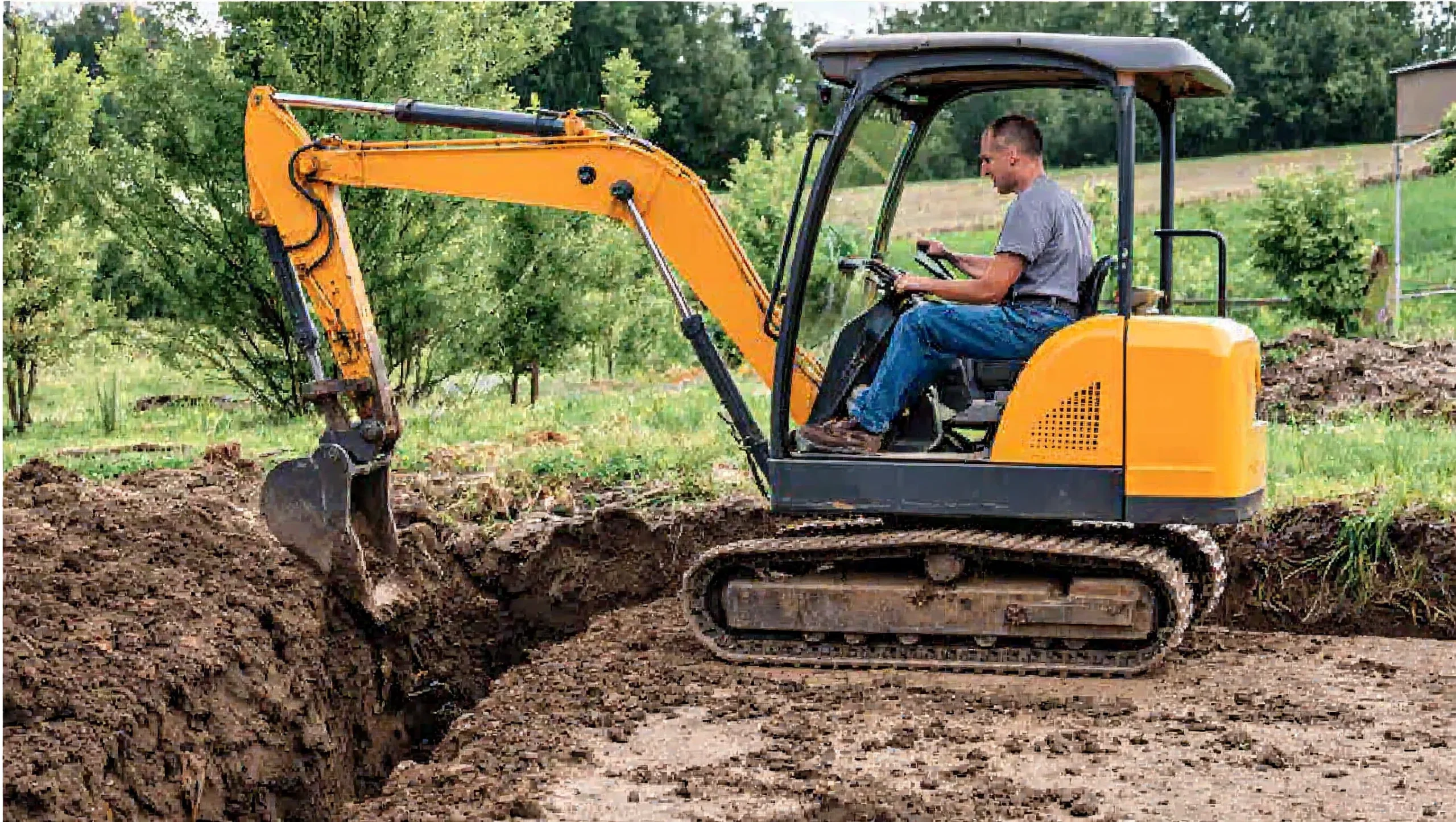
These planning references require confirmation of specifications, configuration, availability and transaction terms.
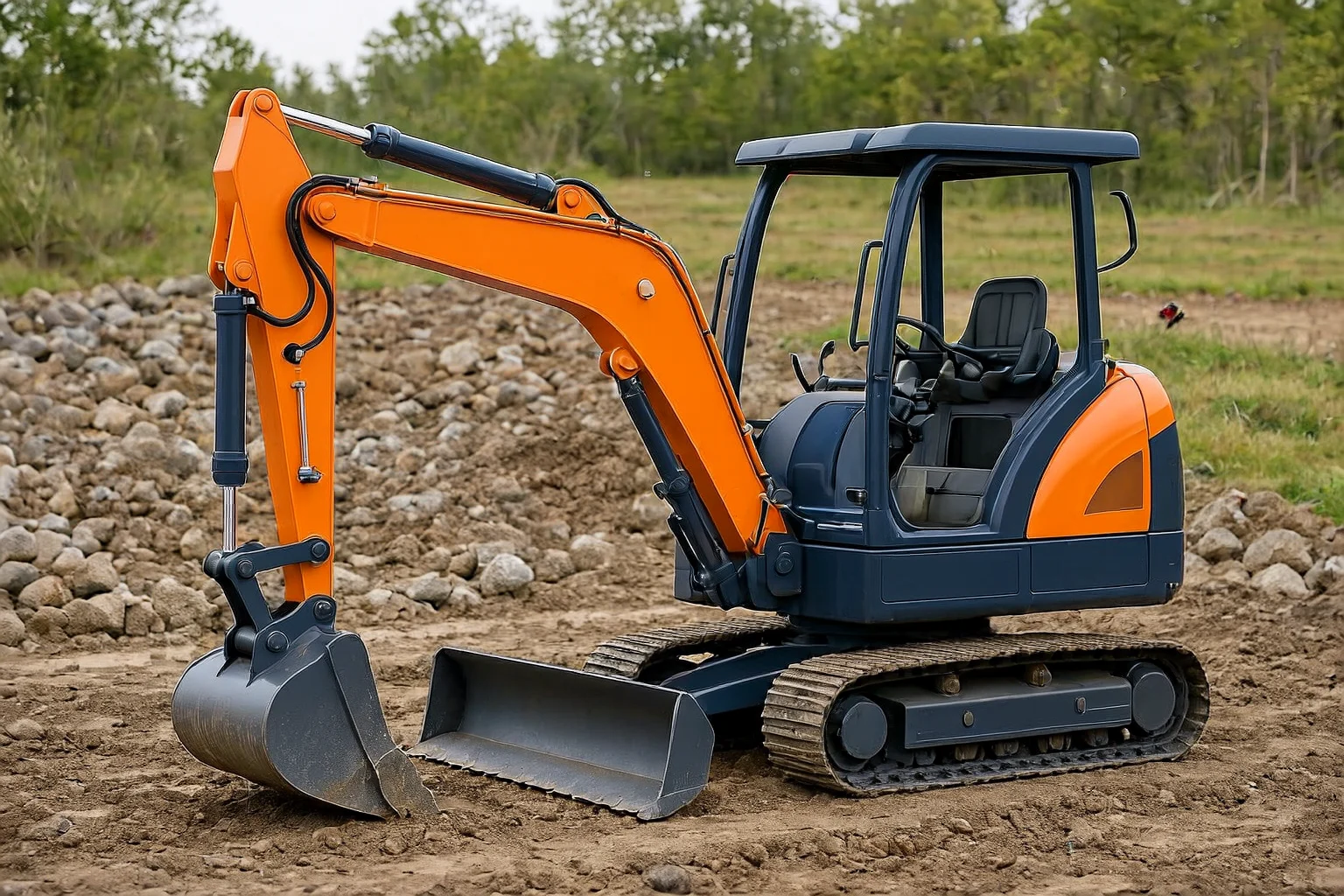
Listing name: 1 Ton Mini Excavator (confirmed with each quotation)
View product details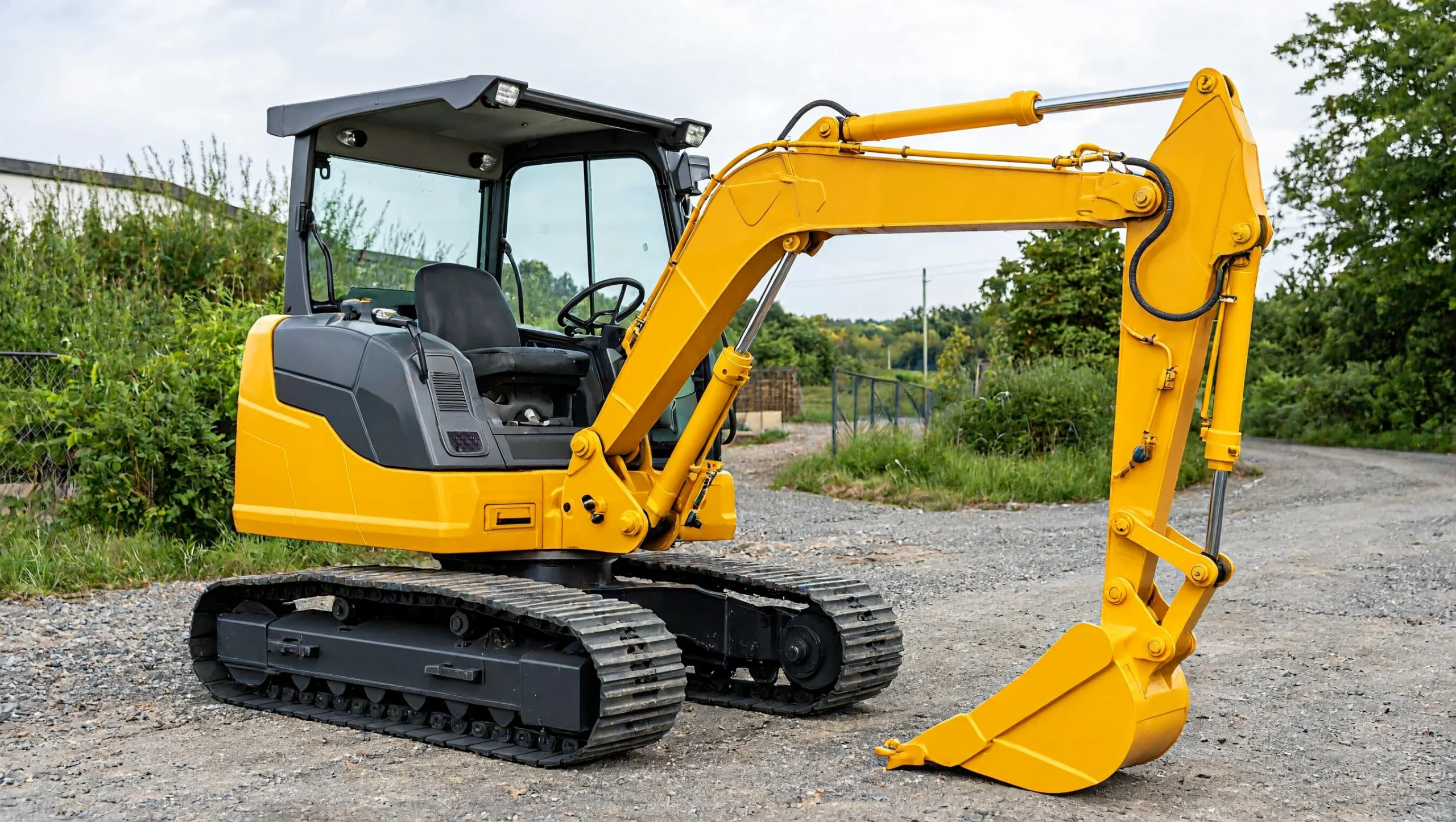
Listing name: 1.8 Ton Mini Excavator (confirmed with each quotation)
View product details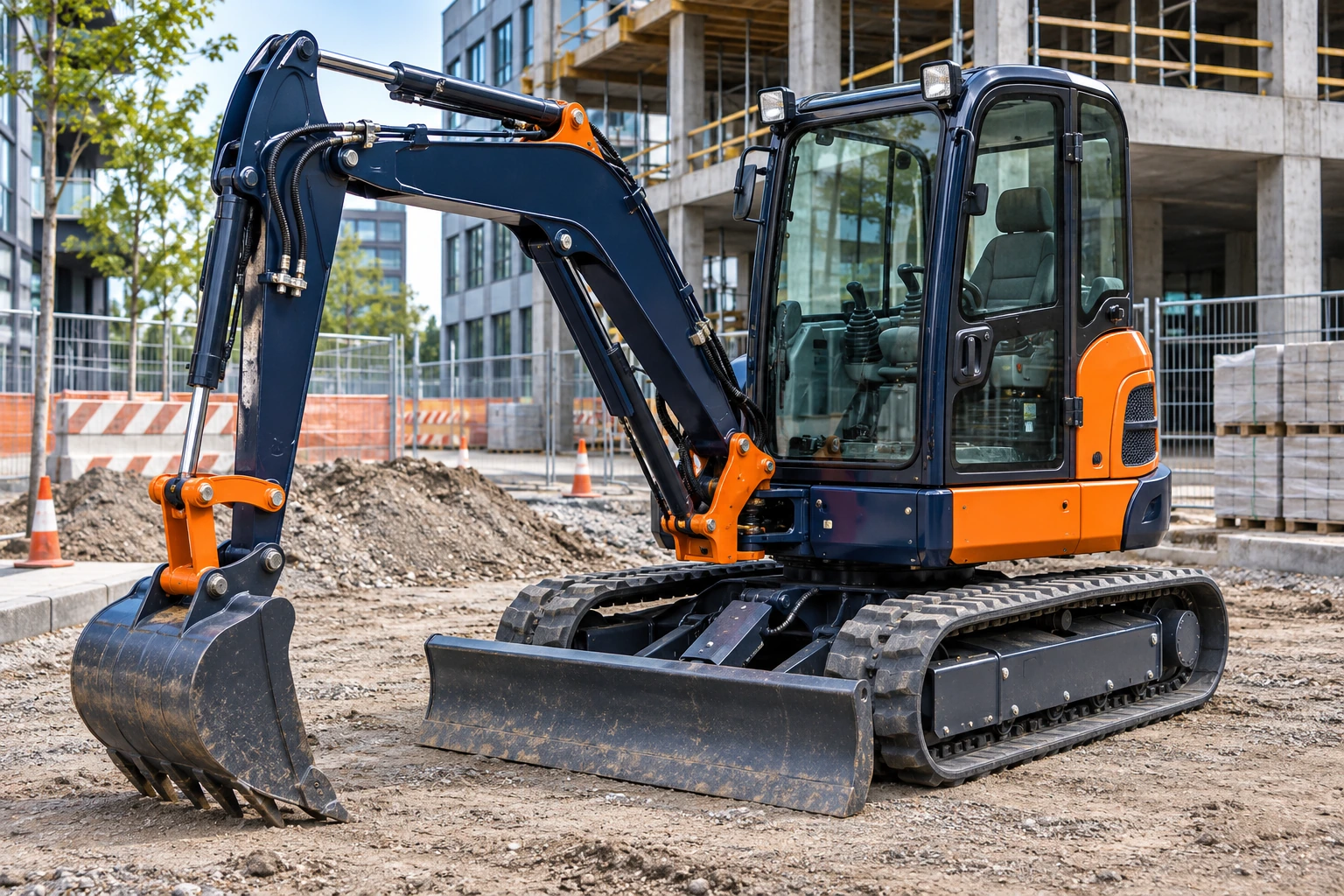
Listing name: 2.5 Ton Mini Excavator (confirmed with each quotation)
View product details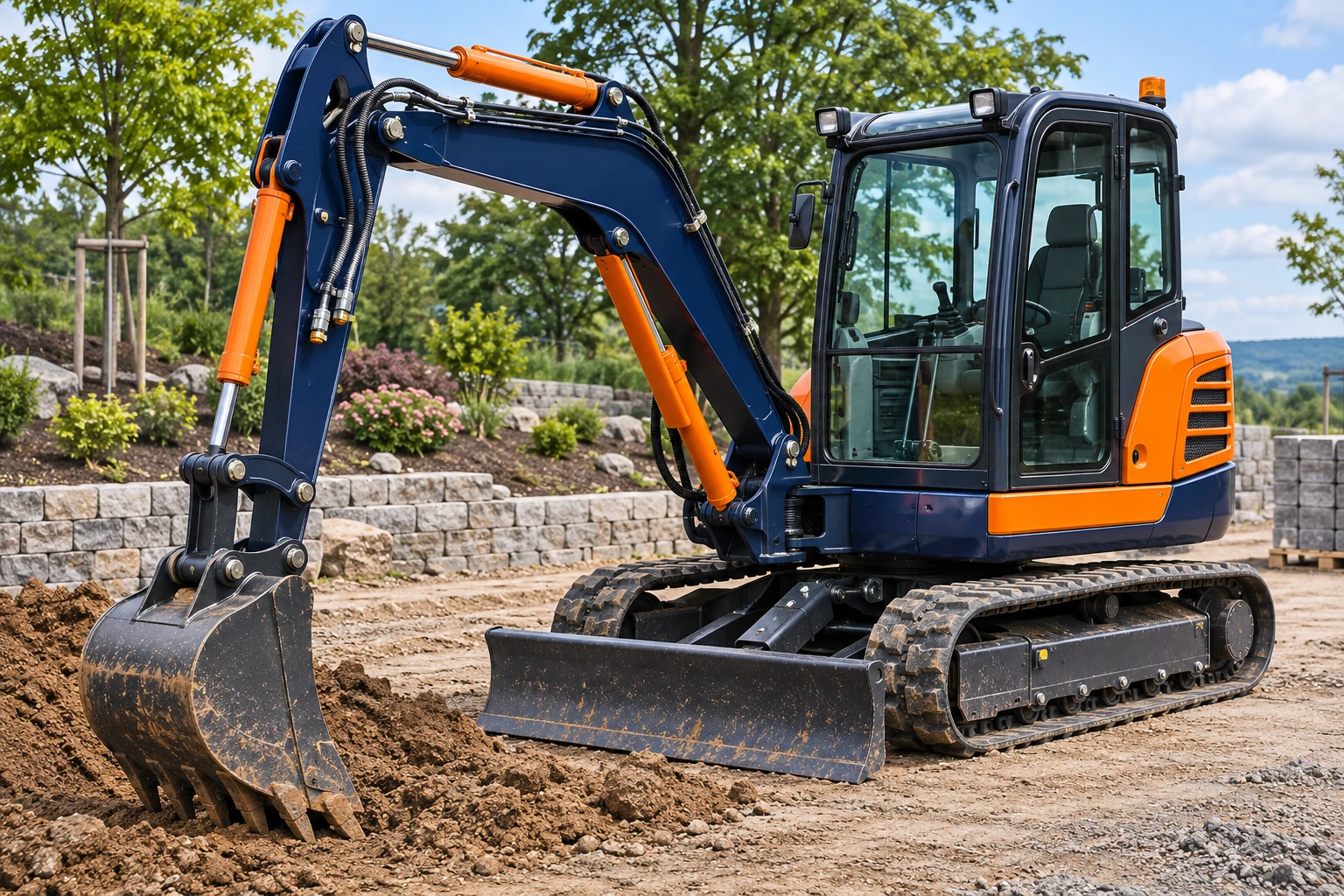
Listing name: 3.5 Ton Compact Excavator (confirmed with each quotation)
View product detailsSelect up to three options.
Choose equipment for one project enquiry. Comparison and enquiry selections are separate.
Review project enquiryThis local preview does not send an enquiry.
Describe the work, access route and space at each site. Distinguish travelling, working in position and leaving with attachments; include gates, overhead restrictions, surfaces and the material drop-off area.
Provide labelled photographs and measurements and identify any attachment the project needs. Ask which dimensions apply to the proposed machine and configuration.
Request the same itemised equipment list, transport dimensions, proposed attachments and current operating documentation for each model. Identify any differences in the configurations behind the figures.
State the destination, quantity and intended schedule. Ask about destination documentation and support; price, timing and transaction terms remain subject to written confirmation.
Ask the supplier to identify the boom, arm, bucket and any other equipment represented by the diagram. Record the measurement reference points and the conditions attached to each stated value. The greatest reach and greatest depth may occur at different positions, so compare each project requirement with the relevant part of the diagram instead of adding headline figures together.
Where the planned work includes lifting, ask for the applicable model-specific load information and configuration conditions separately from the digging diagram. A general category label or machine-weight class is not a lifting rating. Qualified personnel should assess the actual work under the equipment instructions and applicable local requirements.
Request the transport weight and dimensions for the machine with the bucket and accessories intended to travel with it. Identify whether the supplier’s figures include those items, fluids or packaging and clarify any missing information. Compare the complete load against the buyer’s vehicle, trailer, loading equipment and route requirements.
The loading and unloading method must follow the model-specific instructions and the rules that apply at the destination. Ask which documents accompany the proposed configuration and whether parts and service are available there. A weight class in a planning name is not a confirmed transport weight.
By default, B2B customers pay freight, arrange customs clearance and pay import duties. Model-specific serviceability, documentation, parts and warranty are confirmed in the written quotation.
Browse equipment ranges