 M08
Remote mower
Registry specifications and configuration: confirmed with each quotation.
View planning details →Home / Equipment / Tracked Mowers
B2B / EQUIPMENT CATEGORY
Record the vegetation, size of the work area and how frequently it needs attention.
Explore this category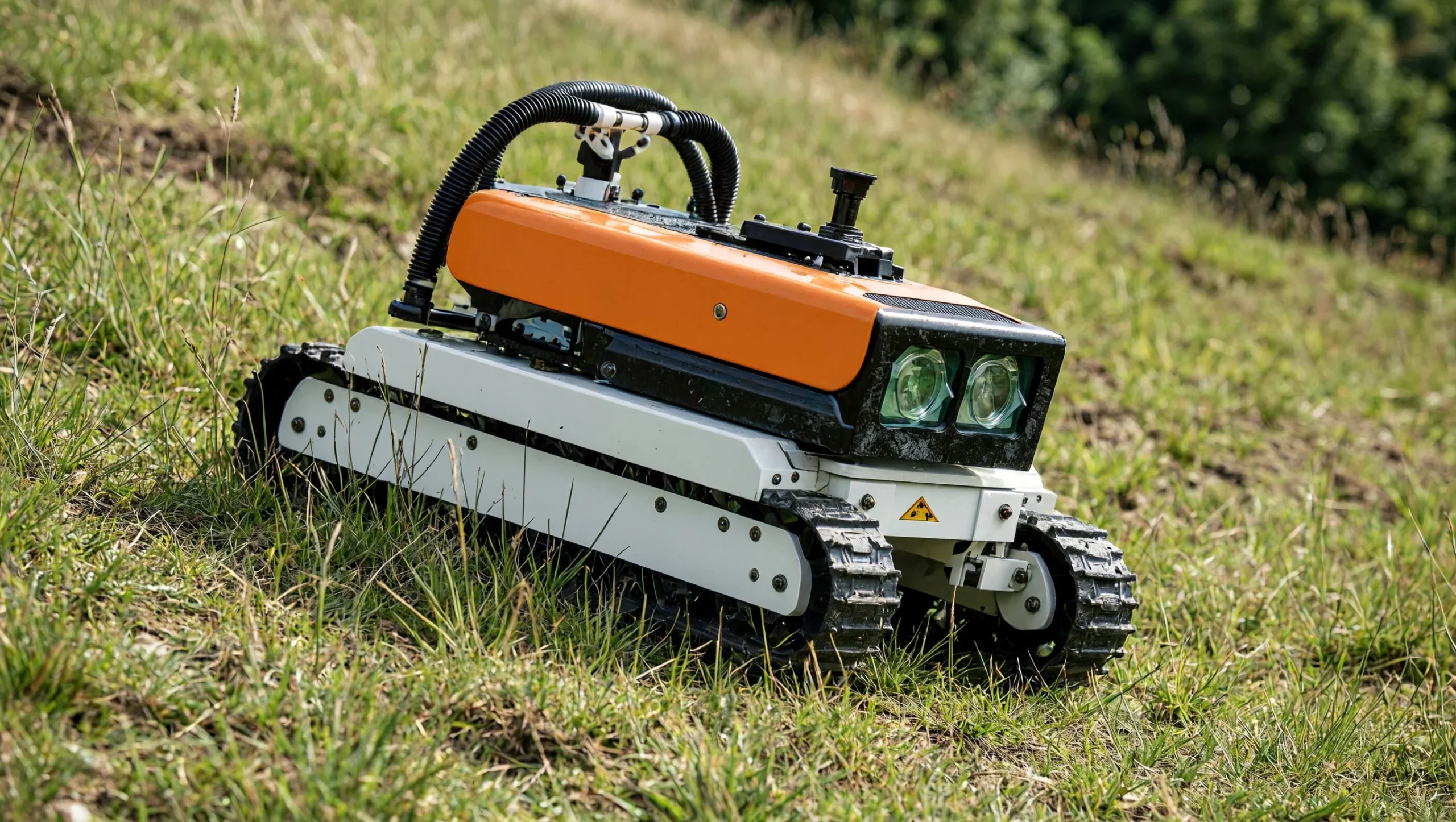
Choose equipment below; your selection stays in this browser tab.
M08Registry specifications and configuration: confirmed with each quotation.
View planning details →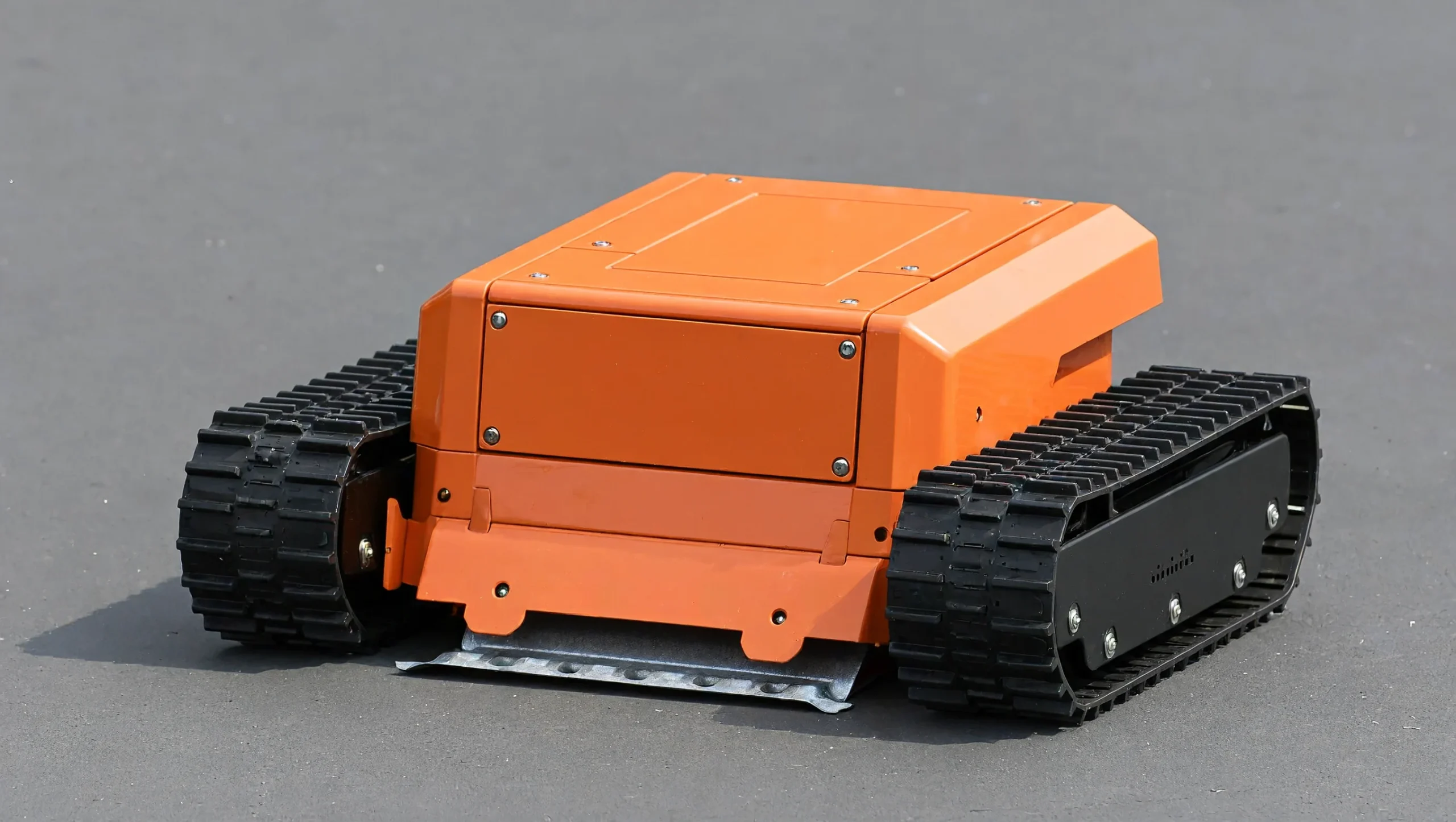 M09
Registry specifications and configuration: confirmed with each quotation.
View planning details →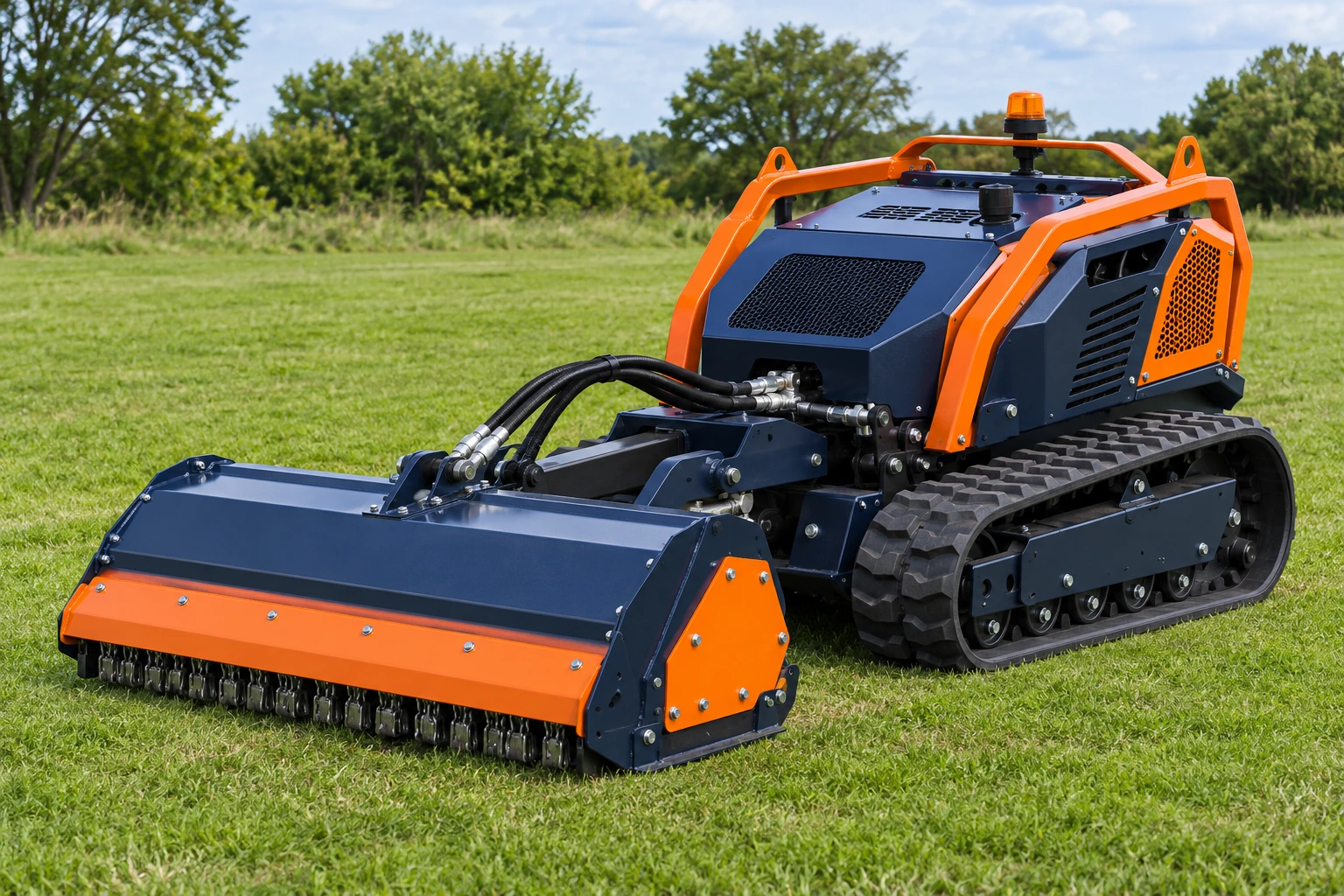 M10
Model and placement: confirmed with each quotation.
View planning details →SELECTION GUIDE
Identify whether the equipment will serve one site or several different properties. Keep a separate description for areas with different access, surfaces or restrictions. This establishes the work to be discussed with a supplier without assuming that a planning label confirms a machine’s suitability.
Mark gates, turns, storage, unloading areas and the route to each work area. Record overhead restrictions and the position of roads, structures, water or other equipment. Include places where people may enter. A route can have different conditions from the mowing area itself, so measure and describe both rather than relying on a single site photograph.
Describe the surfaces, slopes and changes caused by weather. If a slope is relevant, record how it was measured and where the condition changes, including transitions at the top and bottom. A tracked-mower category name does not establish traction or a permitted slope. Ask the supplier for model-specific written limits and the conditions that apply to them.
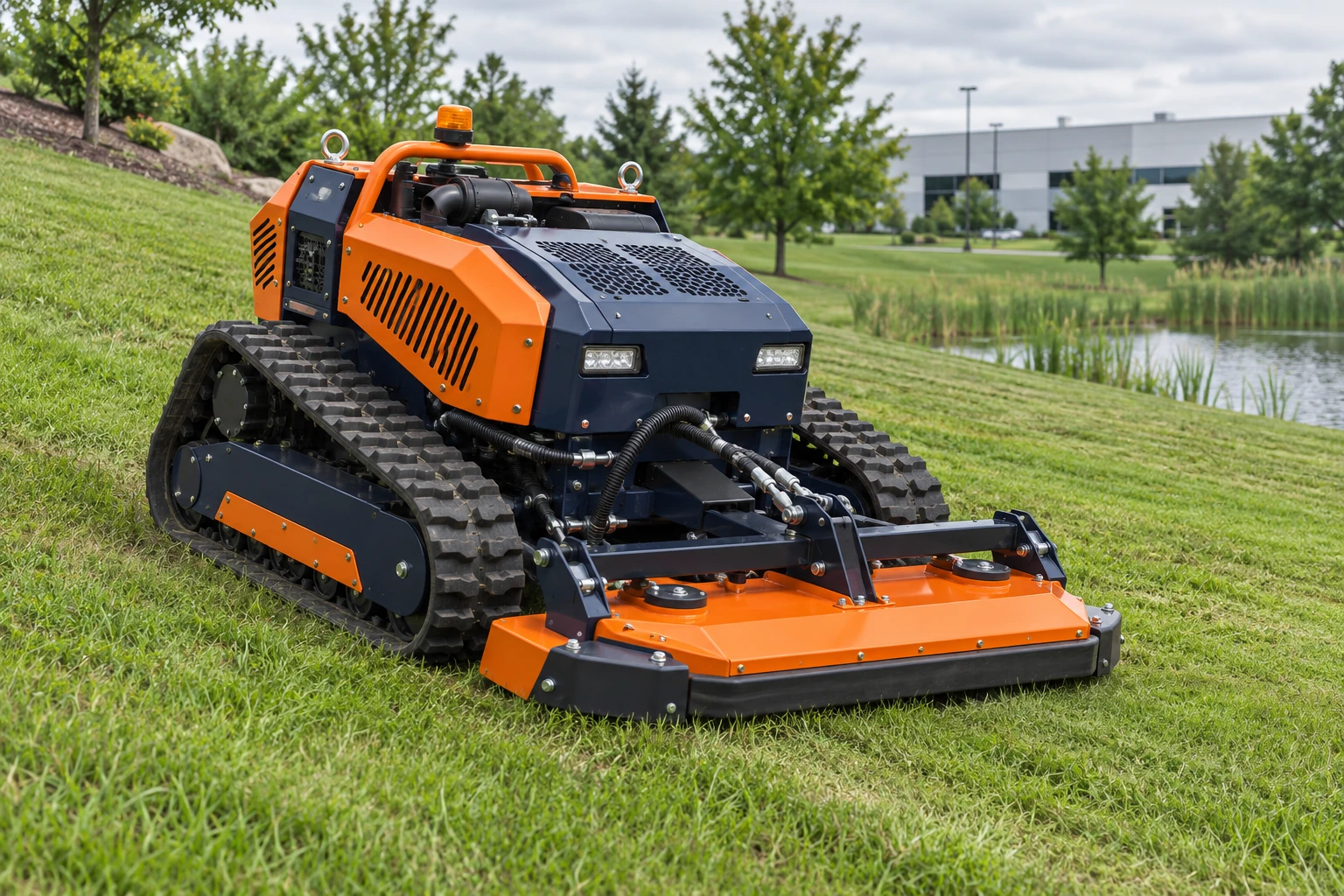
Use the cards as planning references and ask which exact model and configuration are proposed. Confirm the drive arrangement, working assembly, controls and included equipment from the current supplier documentation. A pictured track or a category title is not a verified specification. Model identity, membership and availability remain pending until the supplier confirms them for the intended order.
Measure the narrowest gate, passage, turning area and storage opening. Ask for operating and transport dimensions and weight for the complete proposed configuration, including accessories that will travel with it. Clarify the supplier’s reference points. Working width and the overall width needed to pass an obstacle are separate questions and should not be used interchangeably.
Ask for the full instructions behind any stated limit, including the configuration, surface and other conditions identified by the supplier. Keep those conditions with the measurement in the comparison. A value from a different machine or a generic advertisement cannot establish the limit of the proposed unit. Missing or unclear documentation remains an open question for the responsible supplier and operator.

Ask which controls and stop functions are included and which instructions apply to the exact machine. Where remote operation is offered, request documented visibility requirements, stated range and response to lost communication. Do not assume a particular controller, automated feature or unattended operating capability. Training and demonstration can be discussed separately, but their availability is not confirmed.
Include nearby people, property, roads and other site activities in the brief given to the supplier and responsible site team. Ask which documented requirements apply to the proposed equipment. This category guide does not establish a safe distance, approve a work plan or determine suitability near a hazard. Follow the machine instructions and applicable local requirements, using qualified advice where needed.

Request operating and maintenance information, parts references and the destination support arrangements for the exact configuration. Identify who will maintain the equipment and what language is needed for documents. Do not assume parts are interchangeable across model labels. Warranty, training, replacement-part availability and service coverage remain pending until the supplier confirms them for the order.
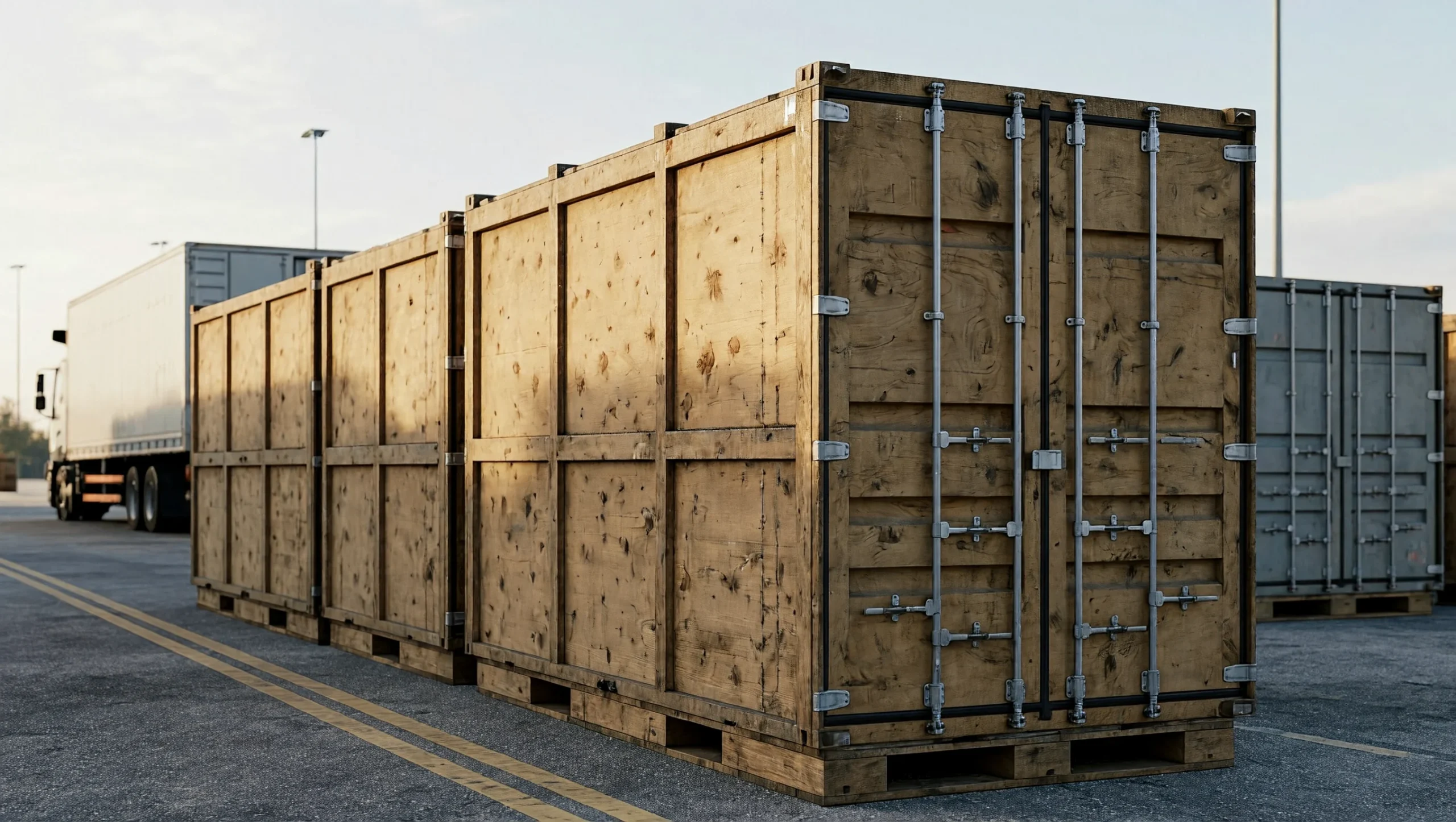
Provide the quantity, destination and intended schedule. Ask for the transport dimensions, weight, packing and loading instructions for the proposed package, then compare them with the receiving location and available unloading equipment. Confirm the named delivery terms and destination serviceability; the default B2B freight, clearance and duty responsibilities are stated in the delivery section below.

Send each supplier the same site sketch, vegetation description, route measurements and questions. Keep the exact configuration, current documents, included equipment, price, production timing and transaction method together with each offer. Record unresolved site-fit and support items visibly. A complete written response provides a more useful comparison than an unsupported headline figure.
Open the relevant planning cards and list the questions that remain for each proposed machine. The broader remote-control mower category can provide a separate starting point for control-document questions, but neither category confirms a model feature. Verify the actual identity, configuration and destination support in the written proposal before making an order decision.
DELIVERY AND SUPPORT
For B2B orders, customers pay freight, arrange customs clearance and pay import duties by default. Confirm destination serviceability, delivery terms, documentation and support before deciding.
Explore delivery questions →