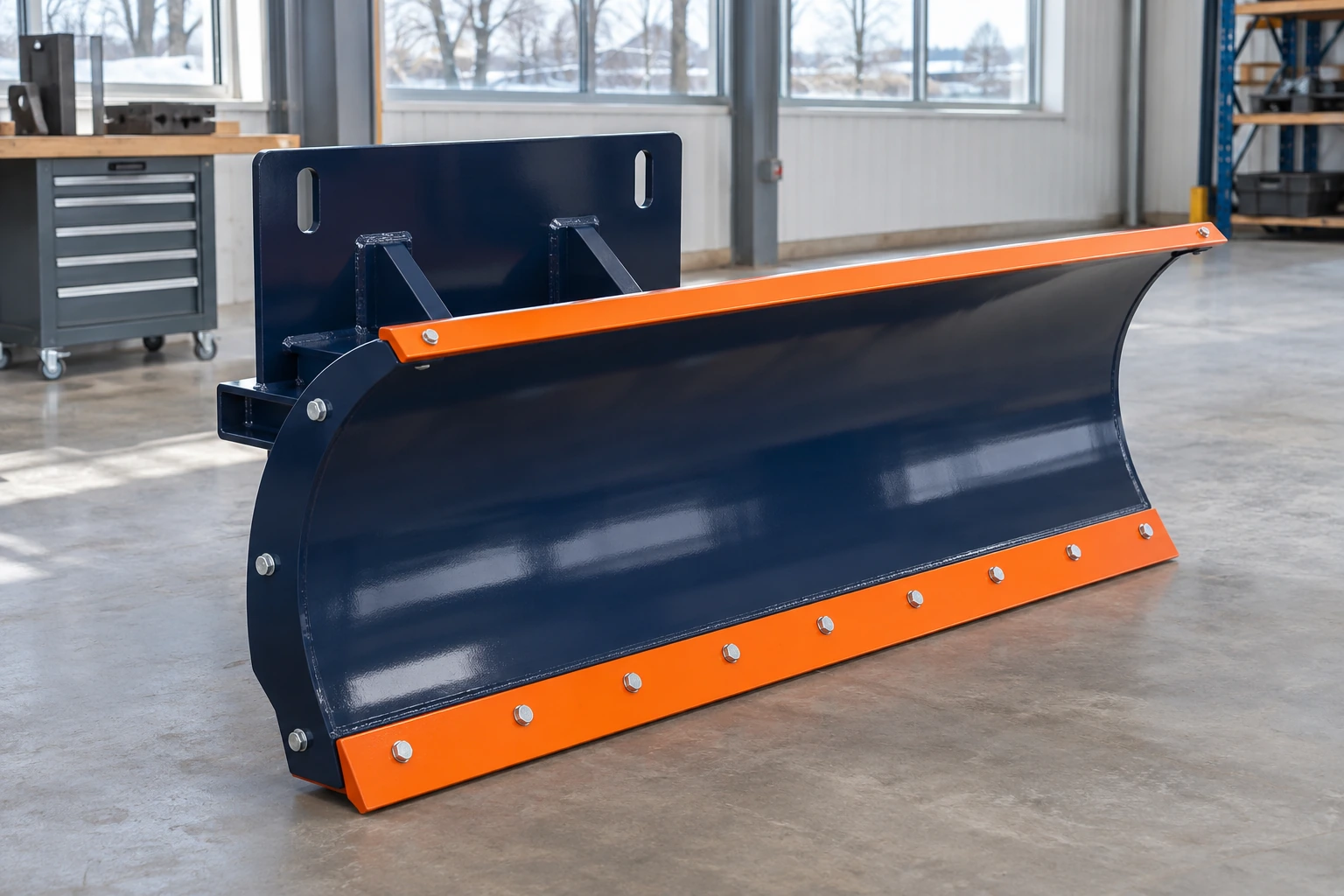
 AT10
Snow blade / blower attachment
Carrier and interface: confirmed with each quotation.
View planning details →Home / Equipment / Snow Removal Attachments
B2B / EQUIPMENT CATEGORY
Map the route, surfaces and areas to be cleared, including narrow entrances, turns and places where snow may be moved.
Explore this category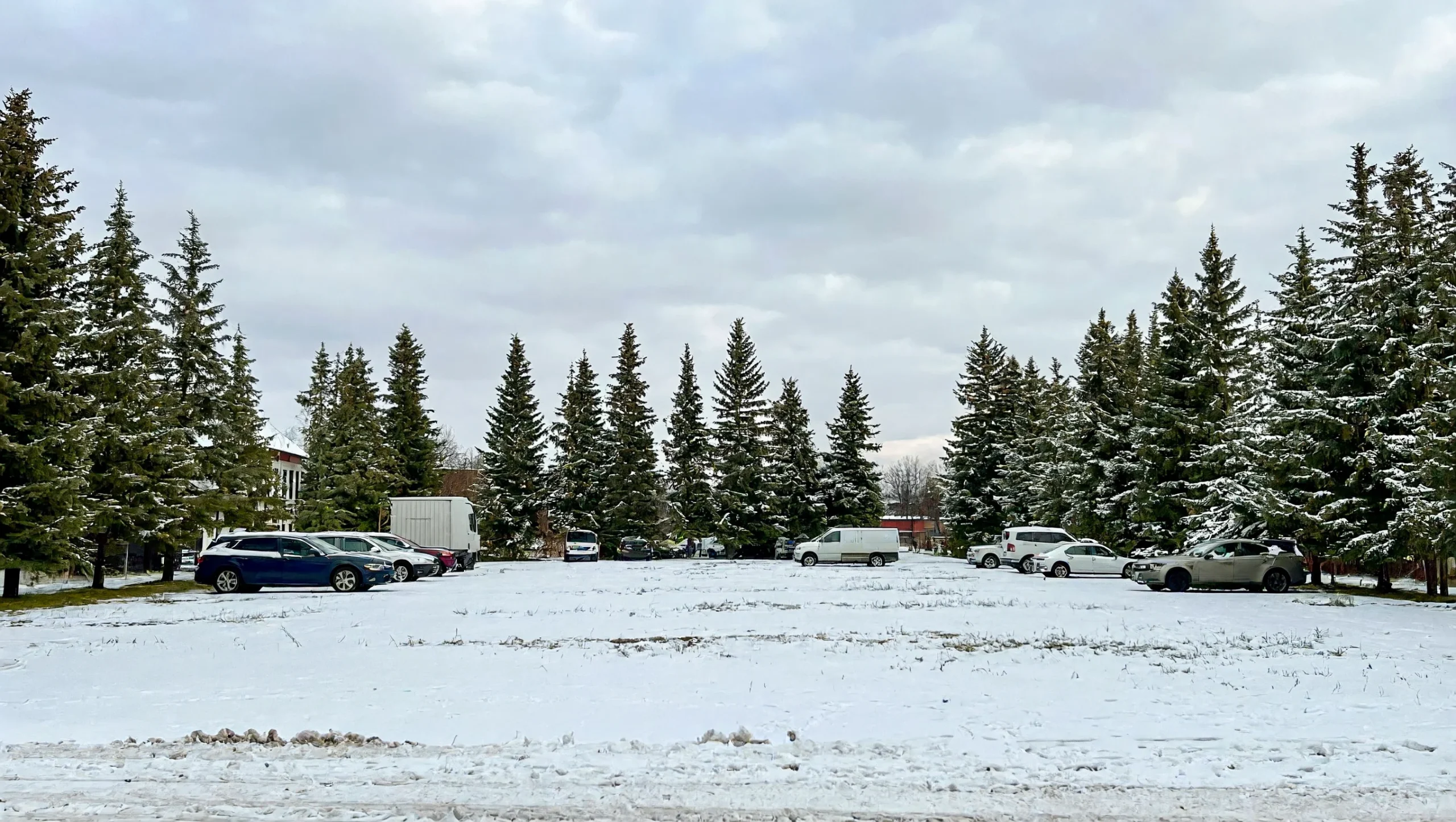
Choose equipment below; your selection stays in this browser tab.
AT10Carrier and interface: confirmed with each quotation.
View planning details →Looking for a separate machine? Compare standalone snow equipment →
SELECTION GUIDE
Record the expected work schedule and any restrictions from the property operator or local rules. If the same carrier serves several properties, list the different conditions separately so the supplier can assess the proposed attachment against the whole assignment.
Provide the carrier make, model and actual configuration, including any fitted coupler, controls or connections. Use current carrier documents where available and note modifications. The term snow attachment does not identify a universal interface. If more than one carrier will be used, request a separate written compatibility assessment for each exact combination.
A blade, blower or other tool can involve different questions about the route, material and carrier. Ask the supplier to identify the exact proposed attachment and configuration. The planning entry on this site does not establish that more than one type is available or included. Request an itemised description and mark the actual model and availability as pending until confirmed.
Ask for the mounting dimensions, locking arrangement and the parts required for the specific carrier and attachment. Clarify whether an adapter or other component is proposed and whether it is included. Keep the written compatibility confirmation with the carrier and attachment identification; a shared category or similar appearance cannot establish physical fit.
Where the proposed attachment needs power, controls or connections from the host, request the documented requirements and the conditions under which they apply. Compare them with the carrier information for the exact configuration. Ask which controls, hoses, electrical items or other connections are included, if applicable. Do not assume every snow tool uses the same system.
Measure gates, passages, turning space, storage and the route to the work. Request the overall operating and transport dimensions and weight of the carrier with the proposed attachment, as defined in the supplier documentation. Clarify whether the equipment or connections need a different transport arrangement. An attachment width on its own does not establish the clearance of the full machine.
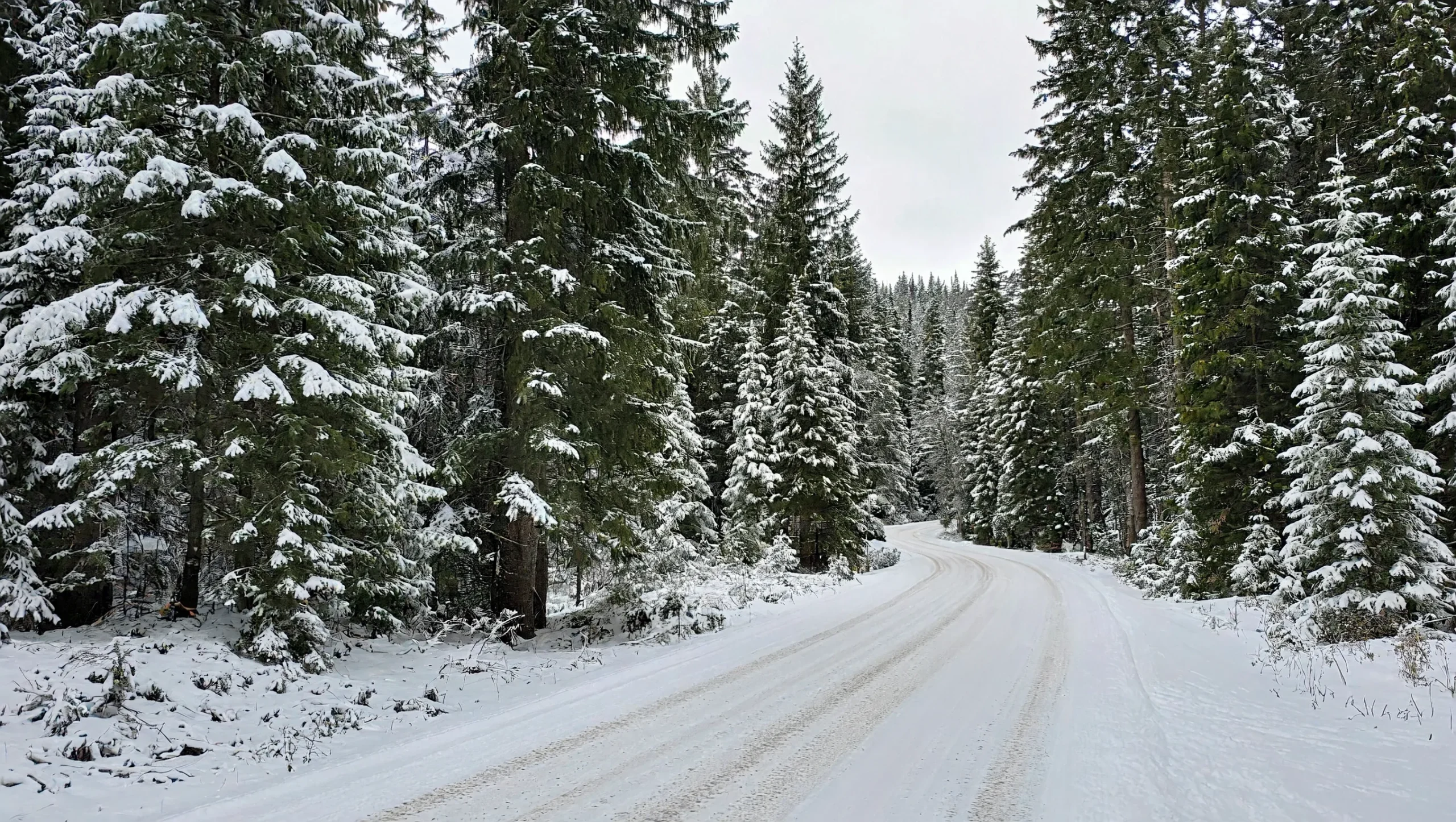
Describe the surface and expected conditions and ask which documented limits and instructions apply to the proposed configuration. Where discharge is relevant, request the applicable information and its conditions rather than assuming a direction or distance from a picture. The category name does not establish a supported snow depth, clearing rate or suitability for the site.
Ask for a written equipment list showing the attachment, mounting pieces, controls, connections, accessories and documents as included, optional or pending. If the supplier proposes different configurations, request a separate list and price for each. Compare offers using the same carrier and work brief, and keep the revision of each specification with the corresponding quotation.
Ask which installation, removal, maintenance and storage instructions apply to the exact combination. Identify who will carry out those tasks and what equipment or space is available. Follow the supplier’s written instructions and applicable local requirements; this category guide cannot establish a safe installation or operating arrangement. Availability of training and installation support remains pending.
Request parts references for the proposed attachment and ask which components and service arrangements can be supplied at the intended destination. Do not assume that parts from a different model or carrier will fit. Warranty, training, service coverage and replacement-component availability are confirmed in the written quotation and should be recorded separately for each proposal.
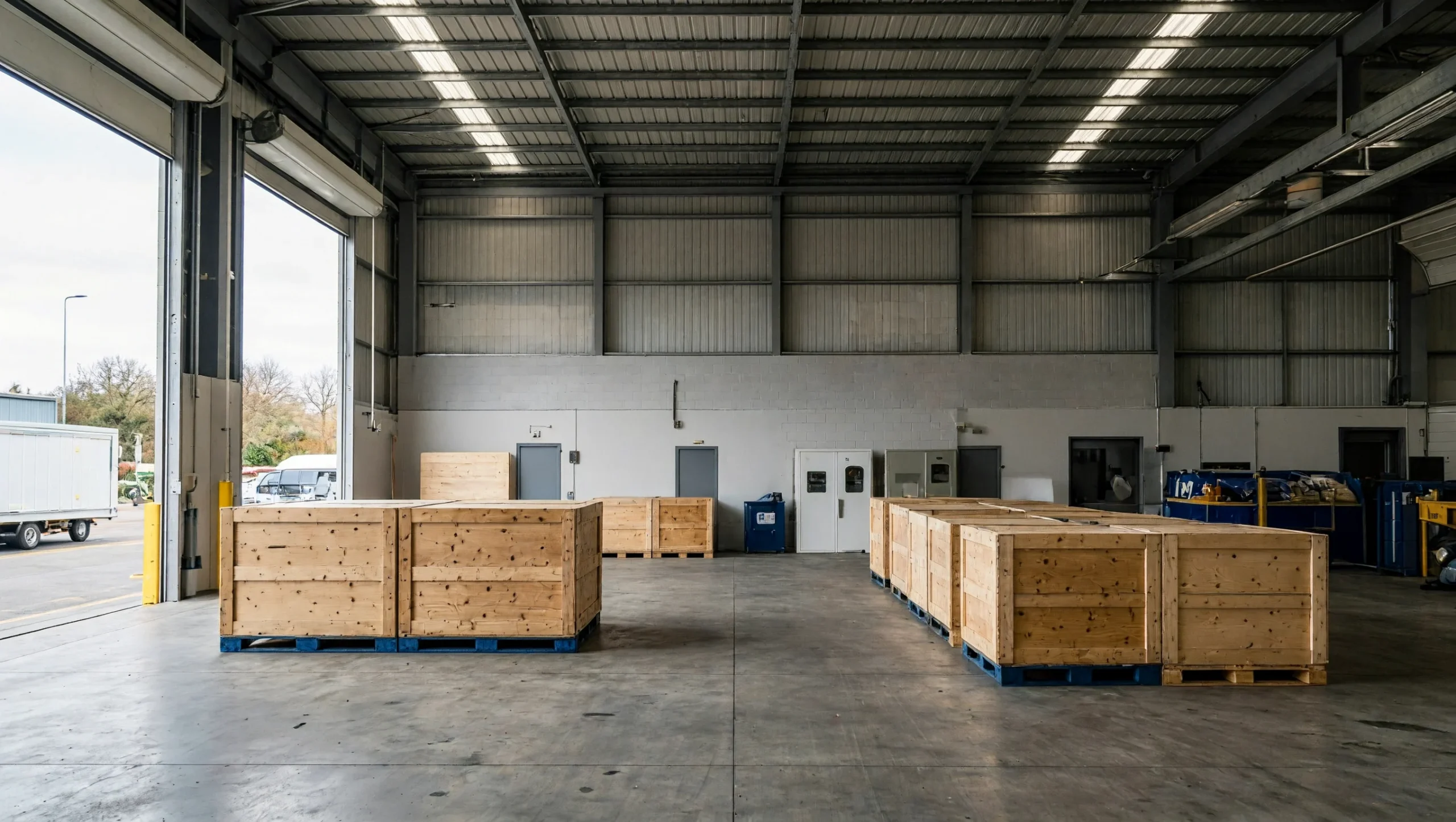
Provide the destination, quantity and desired timing when requesting a quotation. Ask for transport dimensions, weight, packing information and any loading instructions for the proposed attachment. Identify the receiving and unloading arrangements and confirm the named delivery terms. The B2B default freight, clearance and duty responsibilities are stated in the delivery section below.
Use the product card as a planning reference and record the questions it raises for the actual carrier and route. If the work also calls for a self-contained machine, compare its documented requirements through the snow blower category. Request the model identity, complete equipment list, current documents, price, production timing and transaction method in writing. Destination serviceability and compatibility remain open until confirmed for the proposed order.
DELIVERY AND SUPPORT
For B2B orders, customers pay freight, arrange customs clearance and pay import duties by default. Confirm destination serviceability, delivery terms, documentation and support before deciding.
Explore delivery questions →