Home / Equipment / Skid Steer Loaders
B2B / EQUIPMENT CATEGORY
Skid Steer Loaders
List the materials, loads and tasks the equipment is expected to handle.
Explore this category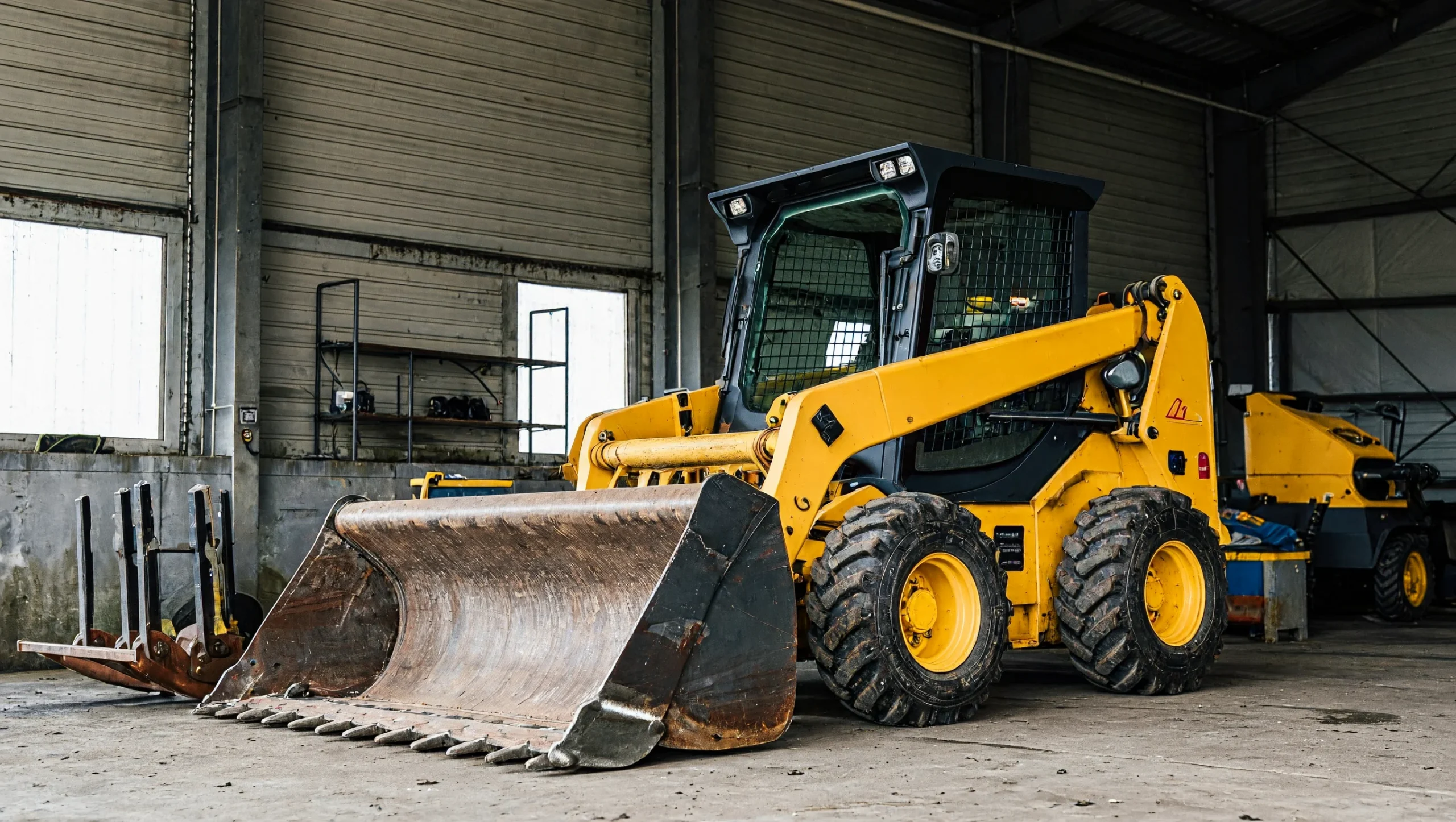
Request a quote →Local preview: enquiries are saved on this computer and are not sent to a sales team.
Model membership and compatibility are planning references, not confirmed specifications. Configuration, price, availability and transaction terms are confirmed in the written quotation.
Models and configurations
Build a project enquiry
Review project enquiryChoose equipment below; your selection stays in this browser tab.
These groups use the registry’s planning labels. Drive, hydraulic configuration, dimensions, load limits and suitability are confirmed in the written quotation.
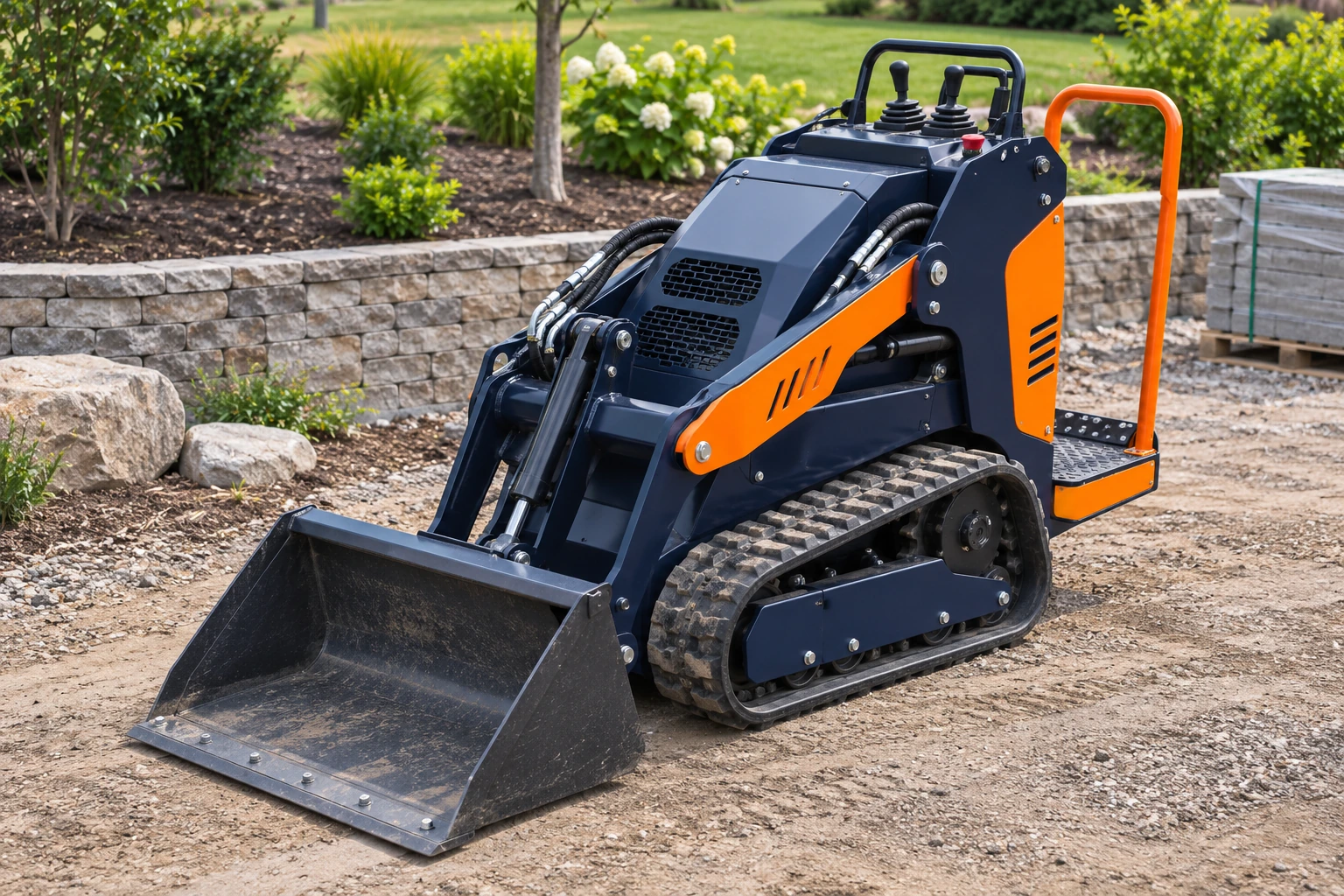
Mini loader
Discuss the proposed machine, site access and work requirements.
Track loader planning label
Ask the supplier to confirm the actual drive and model for this option.
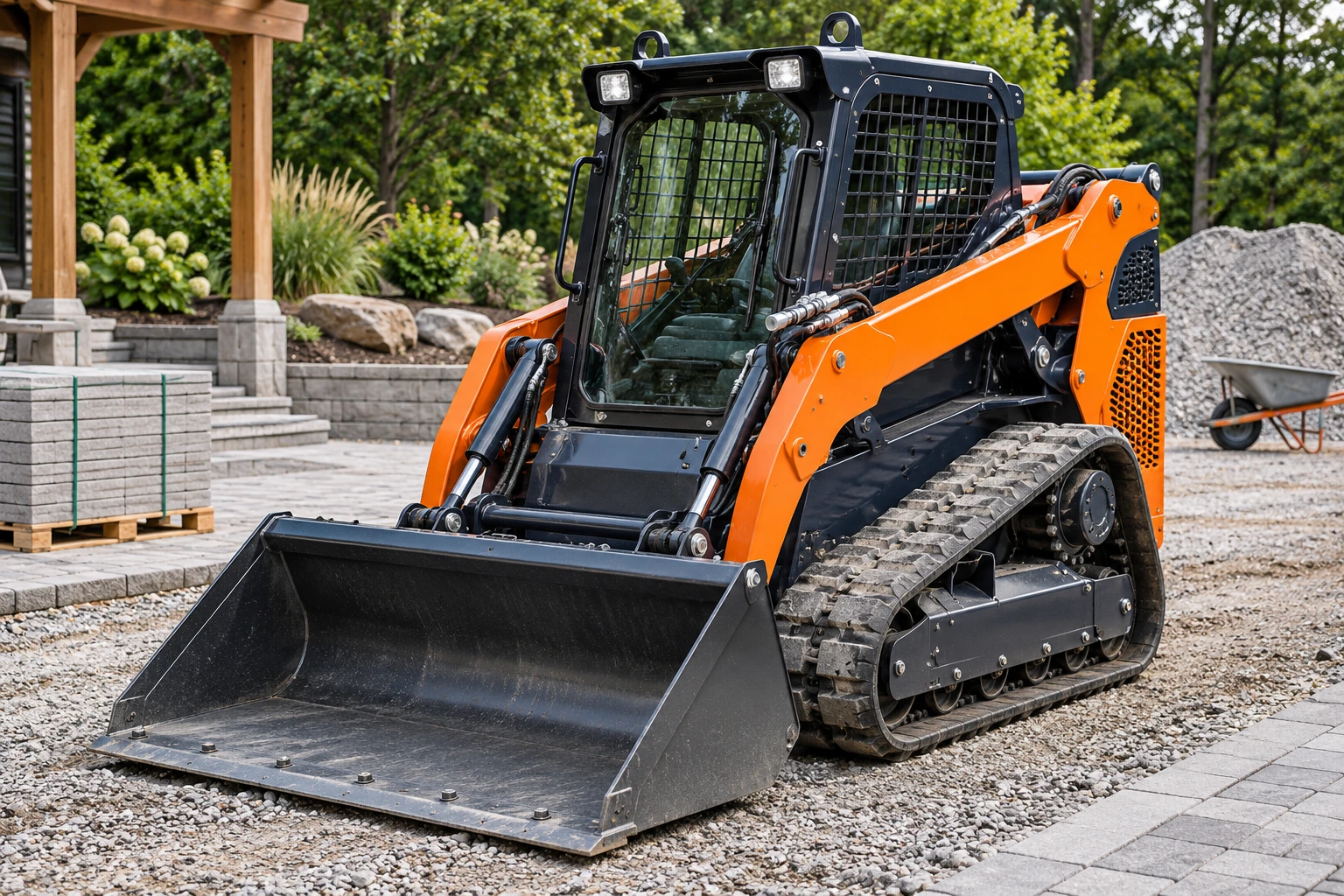
N43
Compact loader
Registry specifications and configuration: confirmed with each quotation.
View planning details →Other skid steer options
Discuss wheeled and hydraulic requirements without assuming either is included.
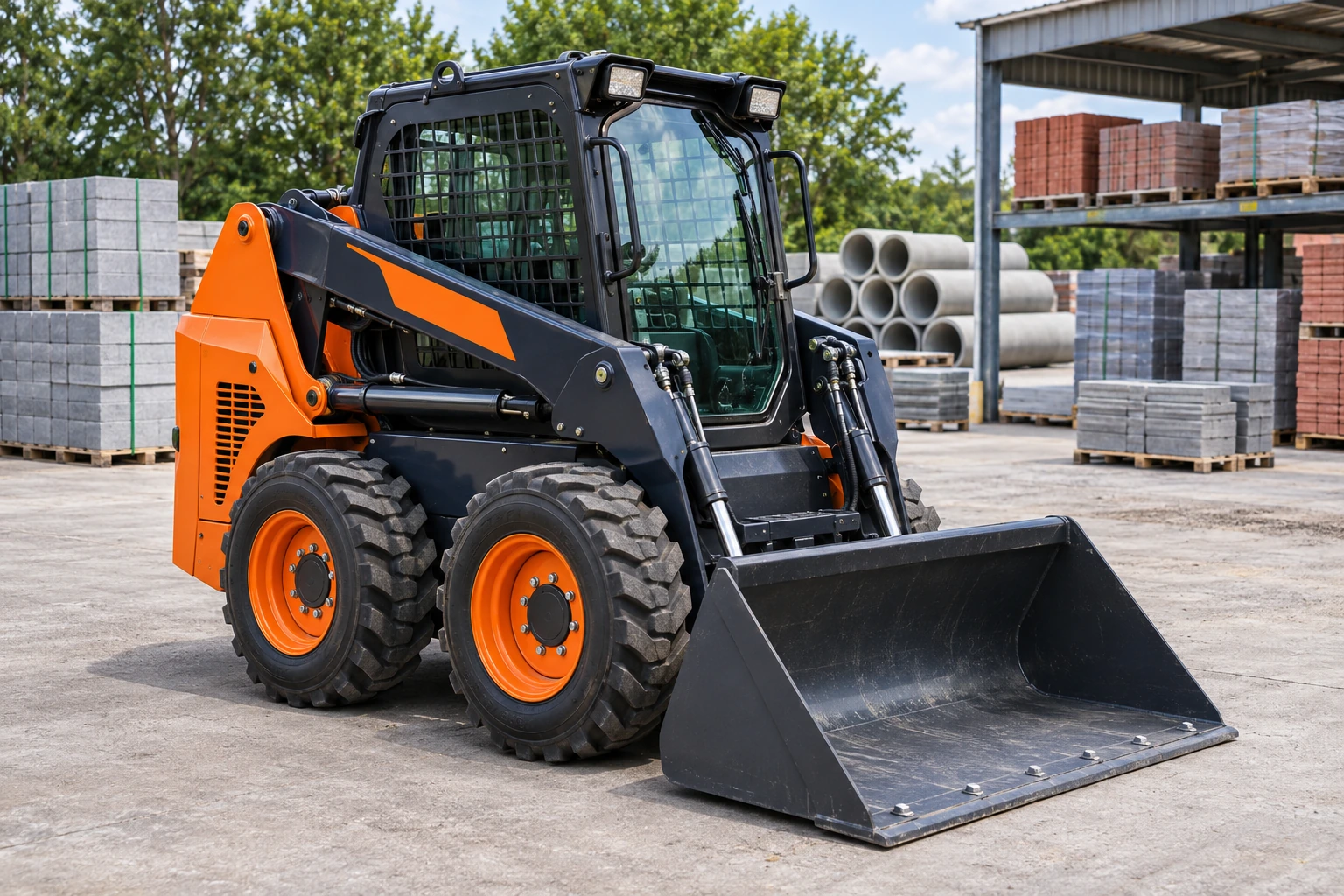 N44
Skid steer loader
Registry specifications and configuration: confirmed with each quotation.
View planning details →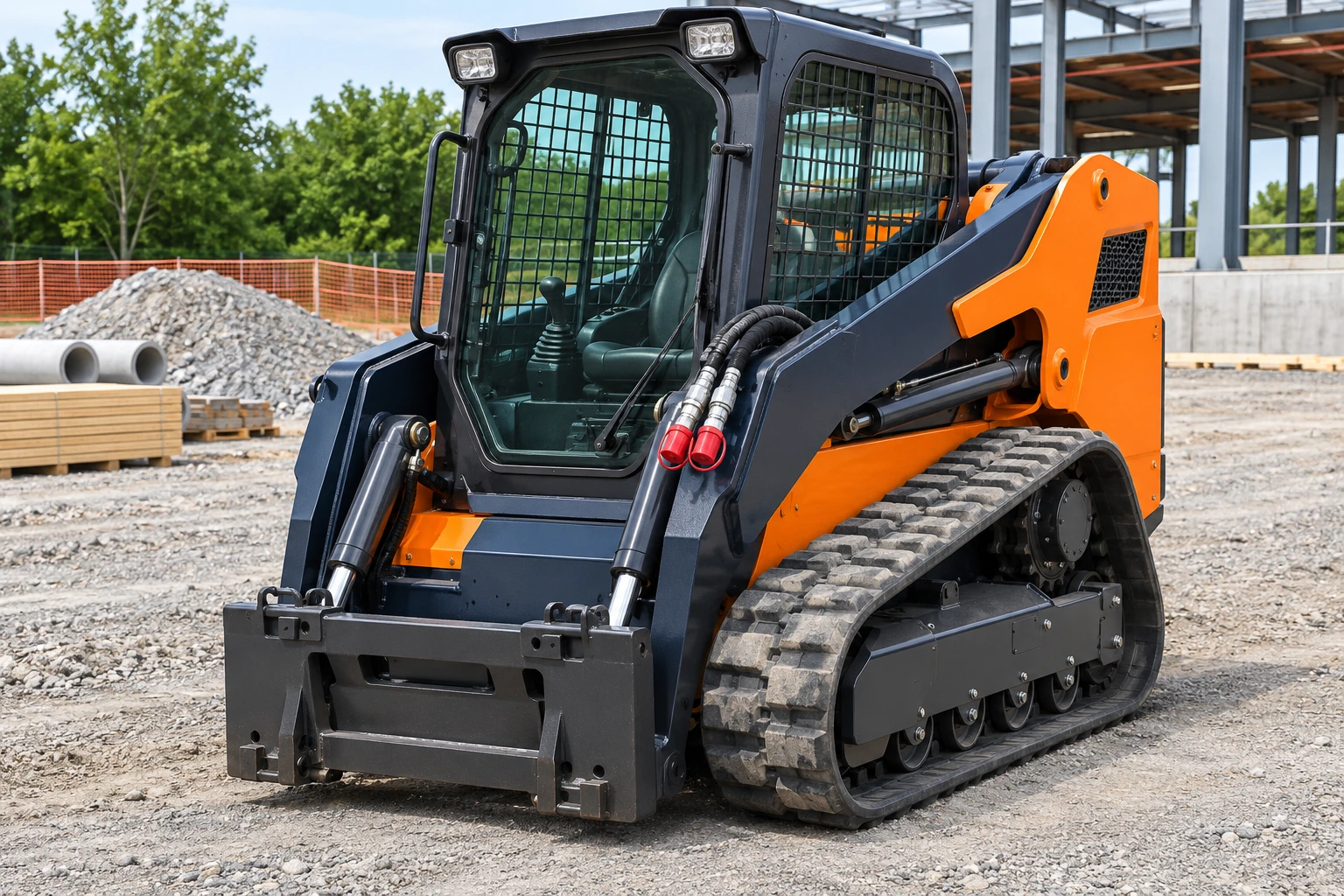 N45
Skid steer loader
Registry specifications and configuration: confirmed with each quotation.
View planning details →SELECTION GUIDE
Build a useful shortlist
Define the work before choosing a model
Record where each task takes place, how often it is performed and which tools are already in use. A clear work brief helps a supplier identify the information needed for a proposed configuration without assuming that a model name proves a capacity or a particular application.
Describe site access and ground conditions
Map the route from the unloading point through gates and passages to the work area. Measure turning space, overhead clearance and storage access, and note surfaces and seasonal changes. Include the locations where material will be picked up and received. Compare the entire route with the documented dimensions and operating requirements of the exact proposed configuration.
Record the load separately from the task
Describe the typical material, its packaging, weight and dimensions and how it will be moved or positioned. Identify variations between sites instead of relying on one average load, and include the receiving area in the work brief. Ask for the model-specific load information and the conditions behind any stated value. A machine name, weight class or attachment label is not a verified load rating for the complete combination.
Identify the proposed machine
Use the model cards as planning references and request the exact identity, drive configuration, controls and included equipment proposed by the supplier. Ask for the current specification and operator instructions that apply to that configuration. Category membership, availability and any numerical or feature labels remain pending until confirmed for the proposed order.
Compare the dimensions that affect access
Request the operating and transport dimensions and weight of each proposed configuration, including equipment or attachments fitted for the intended job. Clarify the reference points and conditions behind the figures. Compare them with gates, turns, storage and loading arrangements. A dimension from an unrelated configuration should remain separate until the supplier confirms how it applies.
List the attachments to be assessed
Identify each bucket, fork or other tool required for the planned tasks and note whether it is already owned or needs to be quoted. Provide the make, model and configuration of existing tools where known. Ask for a separate equipment list for each proposed machine and attachment combination; a category card or photograph does not establish compatibility.
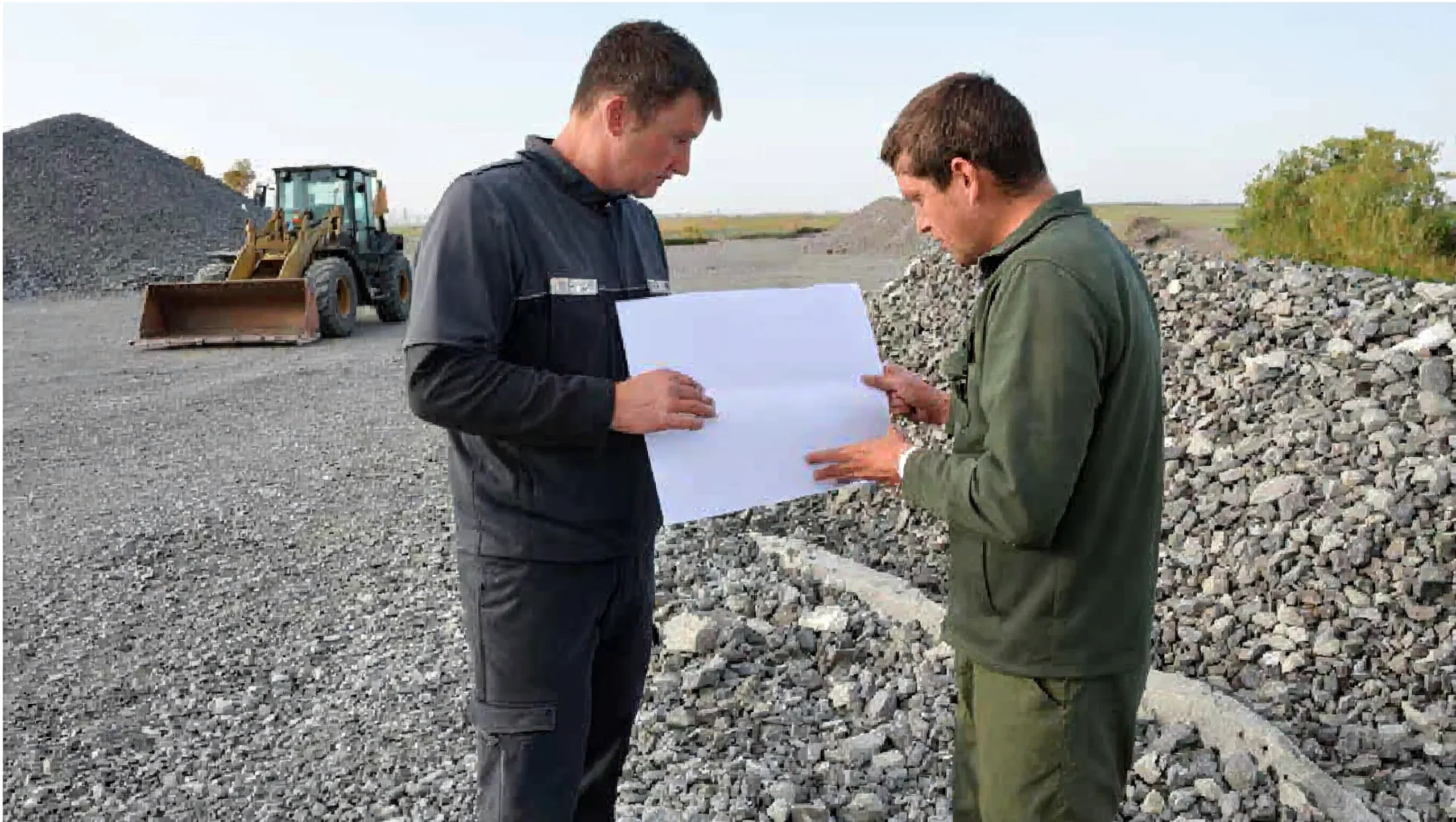
Verify the complete combination
Request written confirmation of mounting, locking, controls and any hydraulic, electrical or power requirements for the exact machine and attachment. Clarify which mounting parts, connections and accessories are included. Ask how the attachment changes the dimensions and documented operating information of the combination. Missing interface or operating information stays open until the supplier addresses it.
Review the conditions behind each figure
Keep the revision and date of specifications and instructions with the configuration they describe. Ask how load, dimension or other values were measured and what conditions apply. Different attachments or equipment can make headline figures unsuitable for a direct comparison. Do not carry a value from another model into the shortlist without written confirmation.
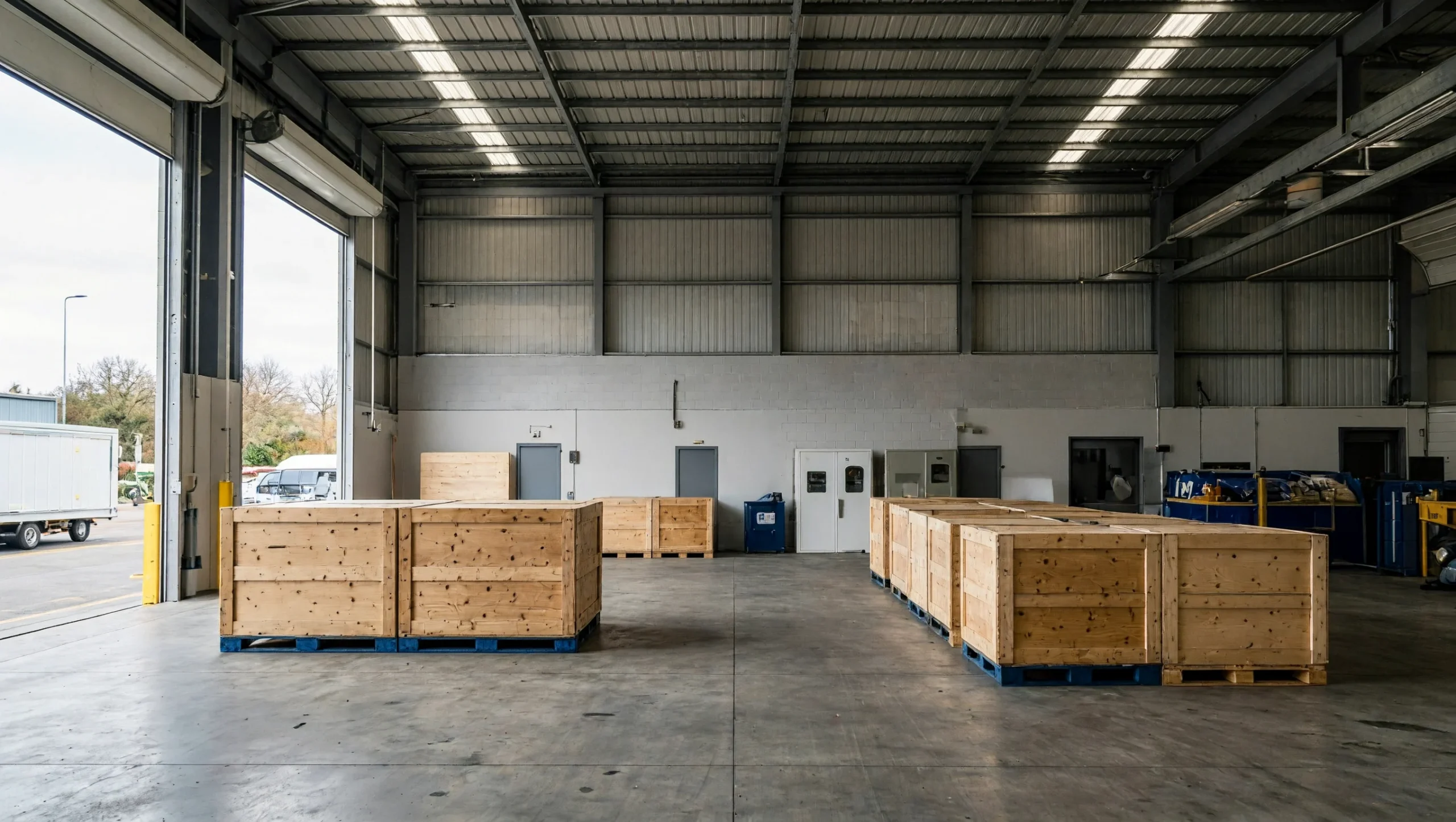
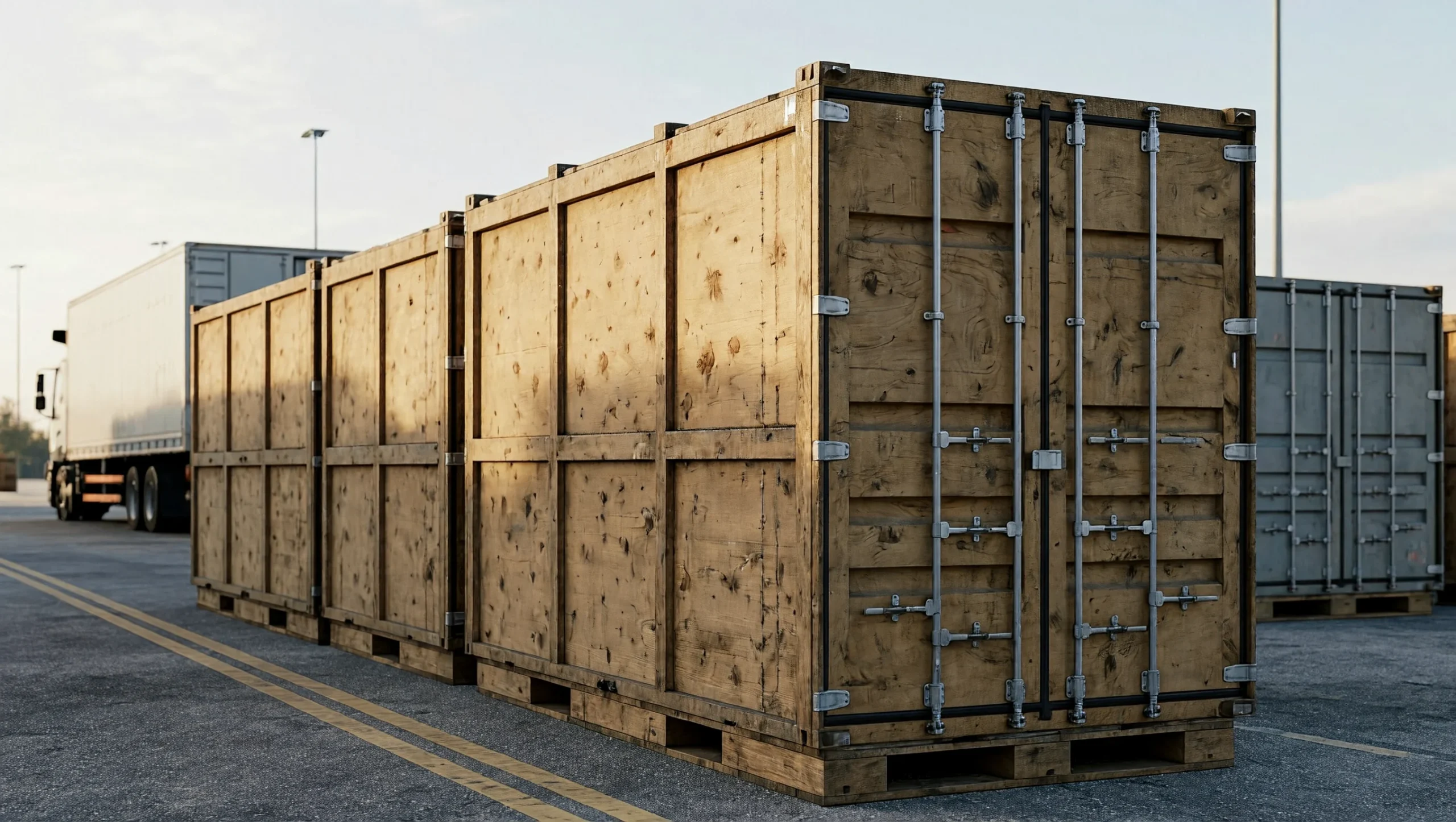
Plan the shipment and receiving
Request transport dimensions, weight, packing and loading information for the actual machine and accessories in the proposed order. Compare the shipment with the vehicle, route and receiving equipment available to the buyer. Identify who will unload and where. Confirm the named delivery terms and destination serviceability; the default B2B responsibilities are explained below.
Check upkeep and destination support
Ask which operator instructions, maintenance information and parts references apply to the proposed machine and each included attachment. Identify who will maintain the combination and what language is needed for the documents. Warranty, parts availability, training and destination service remain pending until confirmed; a category page does not create a service commitment.

Compare written proposals consistently
Send suppliers the same work, load, access, attachment, quantity and destination brief. Keep the itemised equipment list, current documents, price, production timing and transaction method with each offer. Mark unanswered fit, operating and support questions visibly. Compare complete configurations and their documented conditions rather than selecting by a single label or unsupported headline value.
Move from the series to an
Open the relevant model references and identify what needs to be confirmed for each. The attachment category provides a separate route for reviewing interface and package questions. Before any order decision, reconcile the exact machine, attachments, included equipment and named delivery terms in the written proposal. Actual product identity and destination serviceability remain pending.
DELIVERY AND SUPPORT
Plan the complete journey
For B2B orders, customers pay freight, arrange customs clearance and pay import duties by default. Confirm destination serviceability, delivery terms, documentation and support before deciding.
Explore delivery questions →