 N42
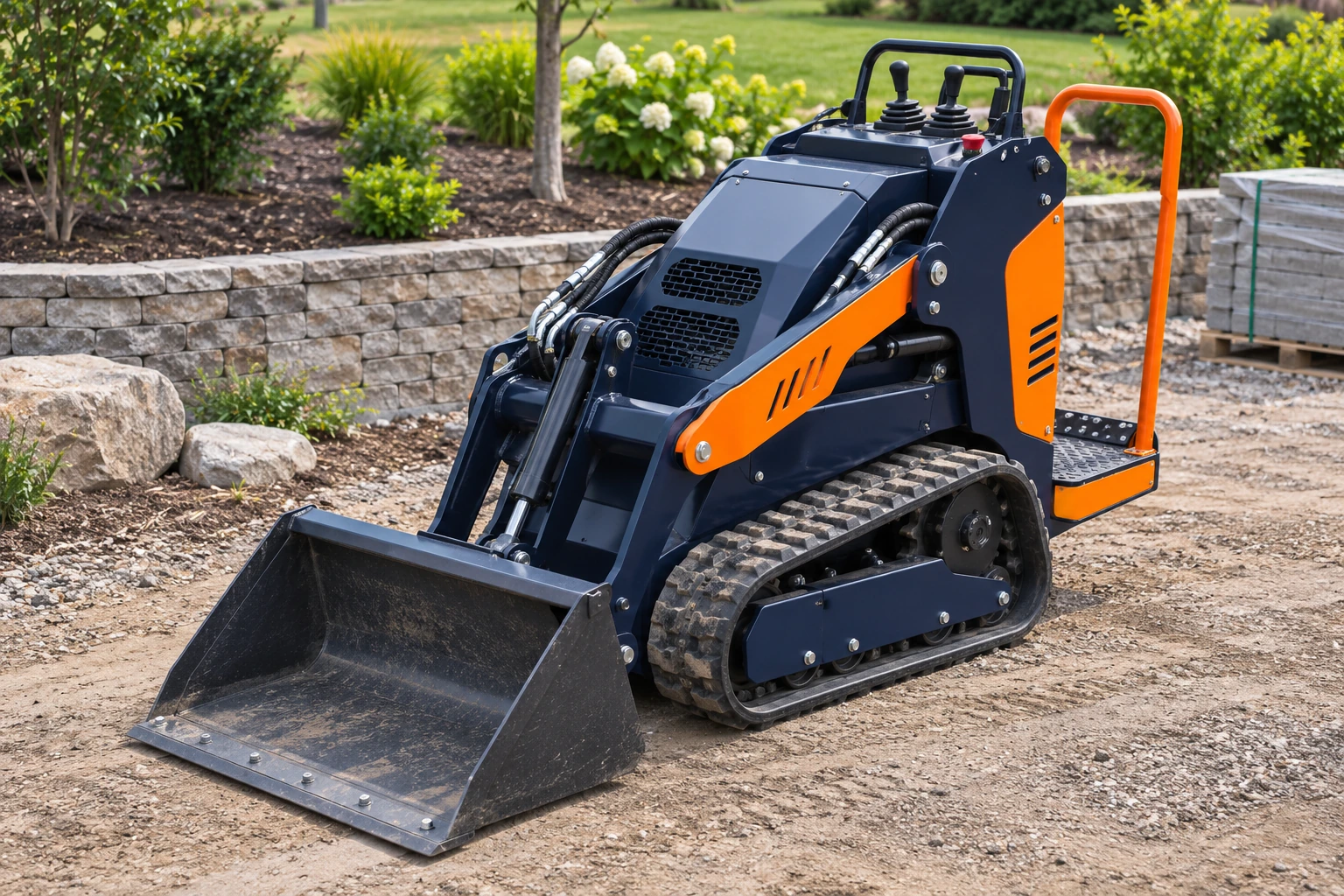
Mini Skid Steer Loader
Model and placement: confirmed with each quotation.
View planning details →Home / Equipment / Mini Skid Steer Loaders
B2B / EQUIPMENT CATEGORY
Record the task and every access point from unloading to the work area.
Explore this category
Choose equipment below; your selection stays in this browser tab.
N42Model and placement: confirmed with each quotation.
View planning details →SELECTION GUIDE
Measure gates, passages, turns, overhead restrictions and the available space at the job itself. A buyer working at several properties should note each route separately. The word mini in a planning label does not establish a machine width or guarantee that an option will fit.
List the material, how it needs to be moved or handled, the typical load and the frequency of the task. Identify obstacles, surfaces and the space available at the pickup and receiving points. Give the same work brief to each supplier so that a proposed configuration can be reviewed against the real assignment rather than a broad category description.
The narrowest point may be a gate, a change in direction, storage access or the unloading area. Record the relevant width, height and turning space, and ask how the supplier defines the operating and transport dimensions of the exact proposed configuration. An attachment may change the space needed. Keep missing combined dimensions as an open question.
Use the model card as a planning reference and request the exact machine identity, controls, drive arrangement and included equipment. Ask for the current specification and operator instructions that apply to the configuration in the quotation. The category does not confirm a particular model, drive type or operating position; identity and availability remain pending until the supplier confirms them.
Record the material, packaging, typical weight and dimensions, and how it is to be picked up or placed. Identify variations across the work rather than relying only on one average. Request the applicable model-specific load information and the configuration and conditions behind each value. A planning name or machine class is not a verified load limit.
Separate tools already owned from those that need to be quoted. For each one, record its make, model and configuration where known, together with the work it is intended to perform. Ask the supplier which exact attachment is proposed and what is included. A tool shown in a picture or listed elsewhere on the site is not automatically compatible.
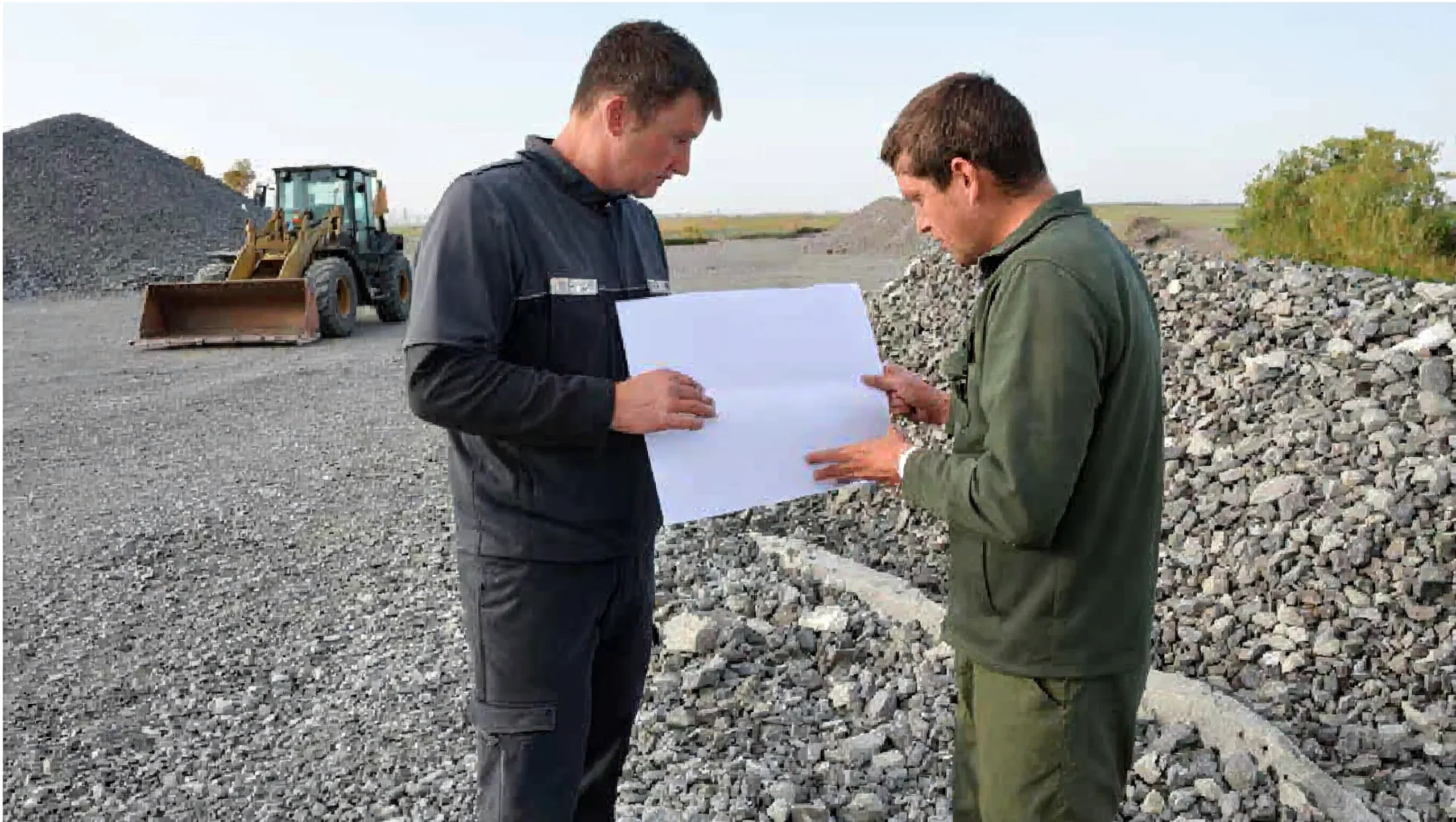
Request written confirmation of mounting, locking, controls and any required power, hydraulic or electrical connections for the exact machine and attachment. Ask which adapters, hoses or other pieces are included if applicable. Compare documented requirements with the actual carrier configuration; a category label or visual resemblance is not evidence of fit. Keep unanswered interface questions visible in the shortlist.
Ask for dimensions and weight of the proposed complete combination and clarify how the supplier defines working and transport arrangements. Include the vehicle, loading equipment and storage opening in the comparison. Request the applicable loading instructions and identify whether attachments travel separately. Do not substitute a value for a different configuration when information is missing.
Request the operator instructions, maintenance information and parts references for the exact machine and each included attachment. Identify who will install and maintain the equipment and what document language is needed at the destination. Training, installation assistance and demonstrations may be discussed, but their availability and terms are confirmed in the written quotation. Follow the equipment instructions and applicable local requirements.
Ask how replacement components are identified and which parts, warranty or service arrangements can be supplied for the proposed destination. Do not assume a component is interchangeable between machines or attachment versions. Record the scope and provider of any support in the written offer; the category page does not establish coverage or response times.

Send suppliers the same route measurements, work and load description, attachment list, quantity, destination and intended schedule. Keep the itemised configuration, current documents, price, production timing and transaction method together with each proposal. Mark unanswered site-fit, compatibility and support questions visibly rather than treating missing information as a confirmed feature.
Confirm the exact machine identity, equipment list and any attachment combinations in writing. The mini attachment category provides a separate route for interface questions, but its compatibility list is not yet confirmed. Verify destination serviceability and named delivery terms; the default B2B freight, clearance and duty responsibilities appear in the delivery section below.
DELIVERY AND SUPPORT
For B2B orders, customers pay freight, arrange customs clearance and pay import duties by default. Confirm destination serviceability, delivery terms, documentation and support before deciding.
Explore delivery questions →