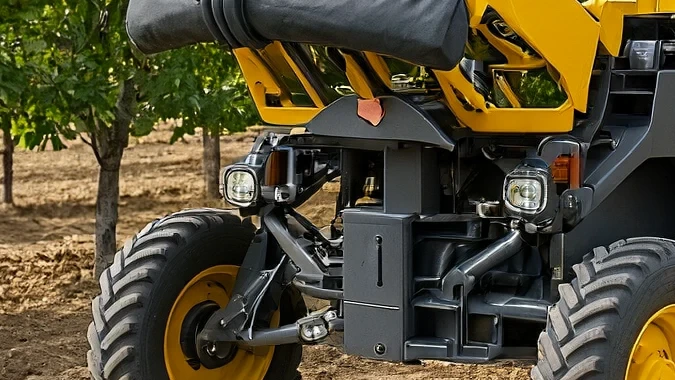
Self-Propelled Orchard Tree Shaker
SKU M19$15,198 per unit · FOB Qingdao
40% deposit, balance before shipment. Ocean freight, insurance, duty and destination charges excluded.
Volume discount
- Order over US$30,0003% offpay 97%
- Order over US$60,0005% offpay 95%
Discount eligibility depends on the products and order value. Final pricing is confirmed in your quotation.
- Power reference
- 50HP
- Dimensions (reference)
- 5400x1500x2200mm
- Weight reference
- 2230kg
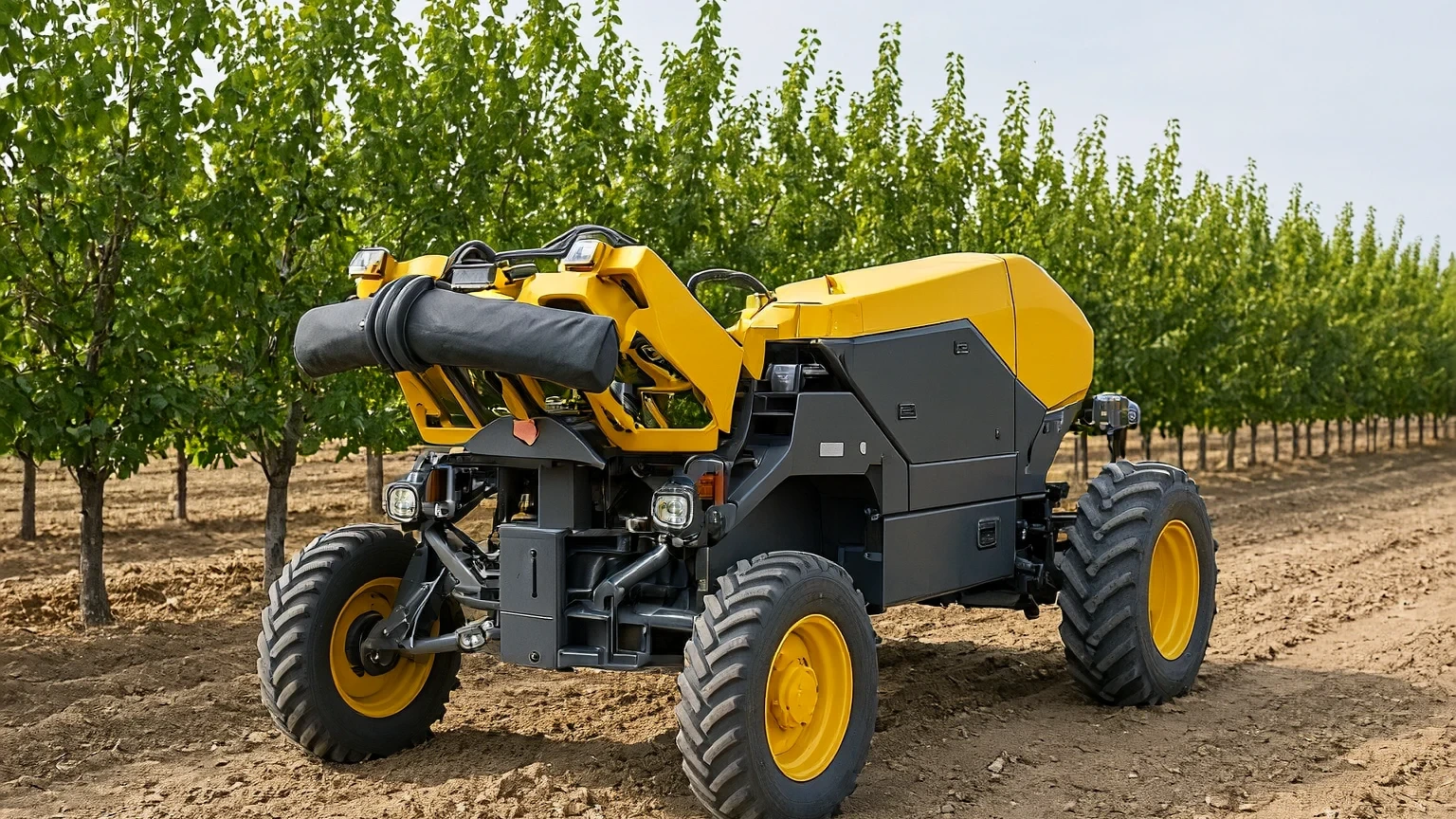
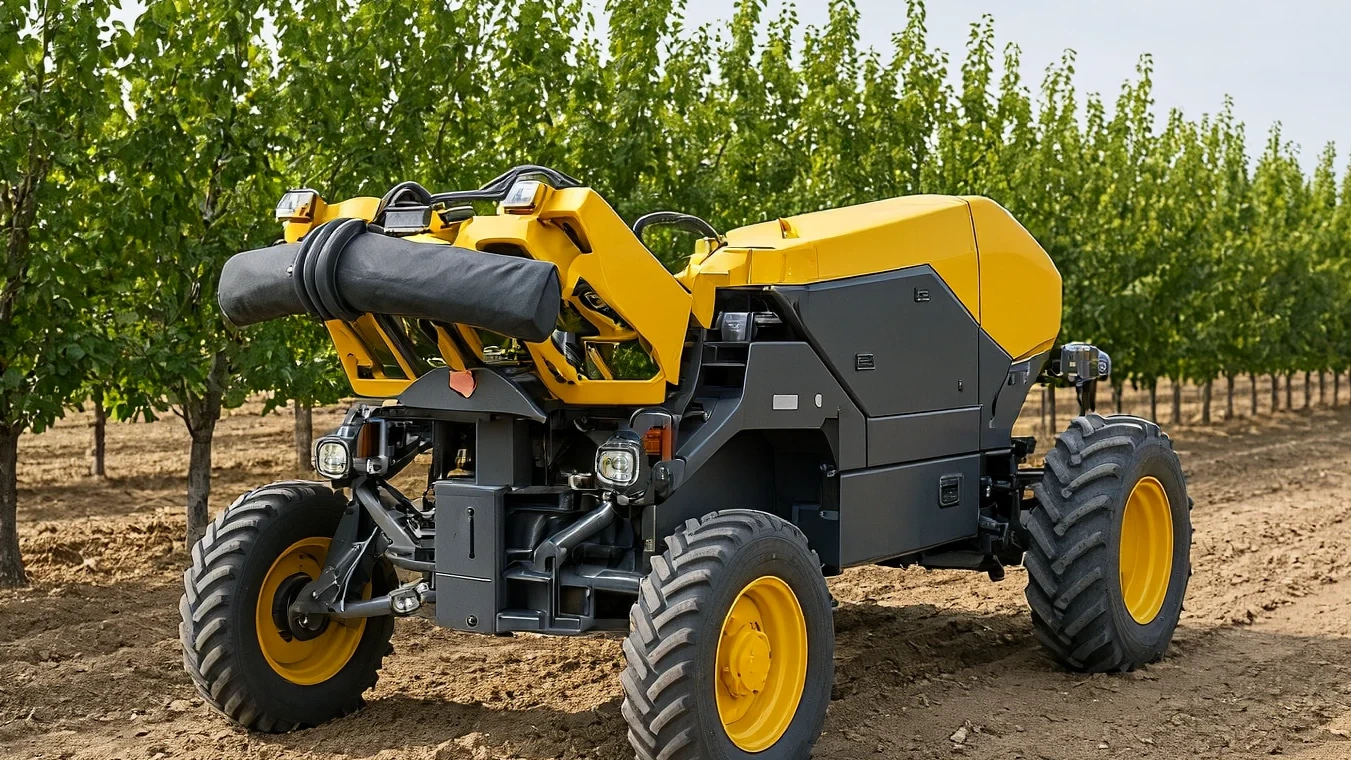
Self-Propelled Orchard Tree Shaker (SKU M19) — orchard and field work from LYVIK. Indicative unit price US$15,198, FOB Qingdao.
No online payment. Checkout creates a proforma-invoice order; we reply with bank details within one business day.
Overview
Self-Propelled Orchard Tree Shaker (SKU M19) belongs to our orchard and field work range, supplied by LYVIK. Built for orchard, plantation and field work where access, stability and repeatable passes matter.
Price is US$15,198 per unit, FOB Qingdao. Orders are confirmed by proforma invoice: 40% deposit to start production, balance before shipment. Ocean freight, insurance, import duty and destination charges are excluded. Volume discount: 3% at US$30,000 and 5% at US$60,000 of eligible order value.
Reference values: power reference: 50HP; dimensions (reference): 5400x1500x2200mm; weight reference: 2230kg.
Reference details and specifications on this page describe the base configuration. Final mount, hydraulics, width, engine, packing and certification are confirmed on the order-specific specification sheet before the proforma invoice is issued.
Product details
Product details
- Carrier / interface
- self-propelled
- Drive / hydraulics
- shaker clamp 10-12Hz; 280mm trunk
Reference basis. Final configuration is confirmed on the order-specific specification sheet.
Product specifications
Product specifications
| Power reference | 50HP |
|---|---|
| Dimensions (reference) | 5400x1500x2200mm |
| Weight reference | 2230kg |
Reference values for the base configuration. Mount, hydraulics, width, engine and packing are confirmed before the proforma invoice is issued.
Selection guide
Choosing, specifying and ordering Self-Propelled Orchard Tree Shaker
Describe the orchard and harvest plan
M19 will be included in the local enquiry. Select other candidates only for separate requirements; the listed equipment is not a confirmed package.
Other equipment to discuss
Choose independent candidates for other project tasks.
Each offered configuration and suitability require confirmation; selecting items together does not establish compatibility.
Plan the work and the order
Describe the crop and harvest task
Note how fruit is currently collected and moved from each block, and distinguish sites with different layouts or restrictions. These are buyer inputs, not claims about the equipment.
The listing describes M19 as a remote orchard tree shaker. The planning name and scene image are not evidence of the delivered configuration.
Map the orchard route
Mark gates, rows, turns, overhead restrictions, irrigation, collection points and storage on a block-by-block sketch. Record row spacing and available working space, and link photographs and measurements to each location.
Request operating and transport dimensions for the complete proposed configuration and clarify the supplier’s measurement points. Compare those documents with each block rather than assuming that one answer covers the whole orchard.
Compare orchard blocks separately
List the crop and variety, tree characteristics and intended harvest period for each block. Identify differences in row layout, supports, irrigation and the space available at the tree. Keep observations made by the grower separate from any performance information supplied for the proposed equipment.
Ask the supplier which current crop and operating information applies to each block and the exact proposed working arrangement. If the documentation does not address a crop, tree characteristic or site condition, record that question for the supplier and seek crop-specific advice where appropriate.
Describe the collection handover
Explain where fruit is expected to be collected after the proposed operation, how it will be moved and which people or equipment will be involved. Show collection points and access routes on the orchard sketch, including changes between blocks. This is a buyer description of the intended workflow, not confirmation of an equipment function.
Ask which parts of the proposed package address the grower’s collection arrangement and which must be supplied separately. Request a distinct equipment list and applicable instructions for each alternative. No collection system, contact mechanism or crop-protection outcome is confirmed for M19.
Prepare an offer for the harvest schedule
Provide the destination, quantity, intended harvest window and any required document language with the orchard brief. Ask for the applicable production timing, delivery terms, instructions and available support for the specific proposal. An intended schedule is a buyer requirement rather than a promised delivery date.
If the buyer needs replacement components or instruction before the season, list those requirements separately and ask for their price and availability. Retain unresolved crop, configuration and support questions alongside the dated offer.
Define the records needed for harvest
If a grower needs a record for each orchard block, identify the information to be recorded, who will collect it and how it connects to the harvest schedule. For example, a buyer may want a dated record of which block was worked and which equipment configuration was used; those are buyer requirements, not a statement that the machine records them.
Ask whether the proposed package provides any relevant records or whether the grower needs a separate process. If integration with an existing farm system is required, describe the system and request the available format and support information. Positioning, yield measurement, connectivity, data export and software integration are not confirmed for M19.
Request the actual working assembly
Ask the supplier to identify the offered working mechanism, its contact arrangement, controls and mounting. Request the model-specific instructions and the conditions behind any stated application limits. If the proposal includes adjustable settings, ask how they are selected and what documentation applies.
Do not assume a clamping system, a particular contact point or automatic settings from the planning name. Request a separate equipment list and price for each alternative, and compare it with the grower’s brief before drawing conclusions about crop or tree suitability.
Record ground and surroundings
Describe ground conditions, seasonal changes, nearby property and other site activity. Include supports, irrigation and places where equipment or material needs to move. These are site observations, not evidence of machine performance.
Ask for model-specific operating instructions and conditions relevant to the proposed site. The responsible team must follow the equipment instructions, qualified advice and applicable local requirements; this page cannot approve a work plan or guarantee crop protection.
Review controls and visibility
If remote operation is proposed, use the remote-control document checklist.
Identify the intended operator location and potential obstructions on the orchard sketch. Do not assume an unattended mode, a cab, an adjustment feature or a particular safety outcome.
Clarify the supplied package
Compare the quotation against the planned harvest workflow: identify how the working assembly is supplied, what controls and connection parts are included, and whether any collection equipment is part of the same offer or must be arranged separately. Mark each item included, optional or pending.
Where a separate carrier is proposed, provide its exact identification and request written compatibility for the combination. Keep the relevant document revision with each offer; neither a generic image nor a different model establishes the package contents.
Plan transport and receiving
Request transport dimensions, weight, packing and loading instructions for the exact proposed package. Identify components that travel separately and compare the shipment with the buyer’s vehicle, receiving equipment and storage access.
Confirm packaging and unloading responsibilities in the written proposal.
Review maintenance and support
Request operating and maintenance instructions, parts references and replacement-component information for the actual working assembly. Identify the document language and the team responsible for receiving and maintaining the equipment.
Ask whether training, warranty or service is offered and by whom. Do not assume components from a different model are interchangeable.
Compare offers and close questions
Send suppliers the same crop and orchard brief, measurements, quantity, destination and desired schedule. Keep each exact configuration, current documents, price, production timing and transaction method with the corresponding offer.
Before an order decision, mark unanswered crop, site, configuration and support questions visibly. The local page is a planning reference, not a confirmed quotation or a guarantee of crop suitability.
Keep crop, collection scope and evidence together
Compare the exact equipment offered against the orchard information supplied by the grower and the responsible project team.
Identify the collection arrangement
Ask which items are included in the specific equipment proposal.
Compare the proposed package
List the proposed unit, its identified working assembly and any collection equipment as separate quote lines. Ask the supplier to distinguish included components from options or equipment provided by the buyer. If another party handles collection, identify that boundary in the project brief and compare offers on the same scope. JAGODA’s manufacturer listing describes different products, including models with collection frames. It applies to those products only and does not establish that M19 has a frame, a particular mechanism or any crop suitability.
Compare information in context
Keep the crop, orchard and equipment conditions associated with each source.
Review the evidence scope
University of California research discusses mechanical harvest approaches in the context of California table olives. Its crop, orchard and equipment context should not be generalized to another project or treated as an M19 performance claim. For the offered equipment, request the supplier’s documented scope and identify the crop and orchard information it addresses. The grower and responsible advisers should determine what further evidence is needed before approving a project approach.
Discuss the orchard project
Share the information you know and request independent equipment lines for different tasks.
How to compare Tree shaker options
Tree shaker is best evaluated as a work package, not as a catalogue label. For Self-Propelled Orchard Tree Shaker (SKU M19), record the proposed machine, attachment interface, operating limits, transport dimensions and destination before comparing quotes. A useful Tree shaker shortlist separates the task, site access, equipment package and commercial terms so each supplier answers the same question.
Define the work
Describe the material, vegetation or surface, the area covered and how often the Tree shaker task repeats.
Frequently asked questions
What should I compare when choosing Tree shaker?
Compare the work package, access, proposed machine and configuration, documentation, transport and commercial terms. A model number alone does not establish suitability.
How much does a Tree shaker cost?
This model is listed at US$15,198 per unit, FOB Qingdao. Configuration, attachments, packing, freight, destination and duties are confirmed line by line in a written quotation.
Used in these industries
Related products
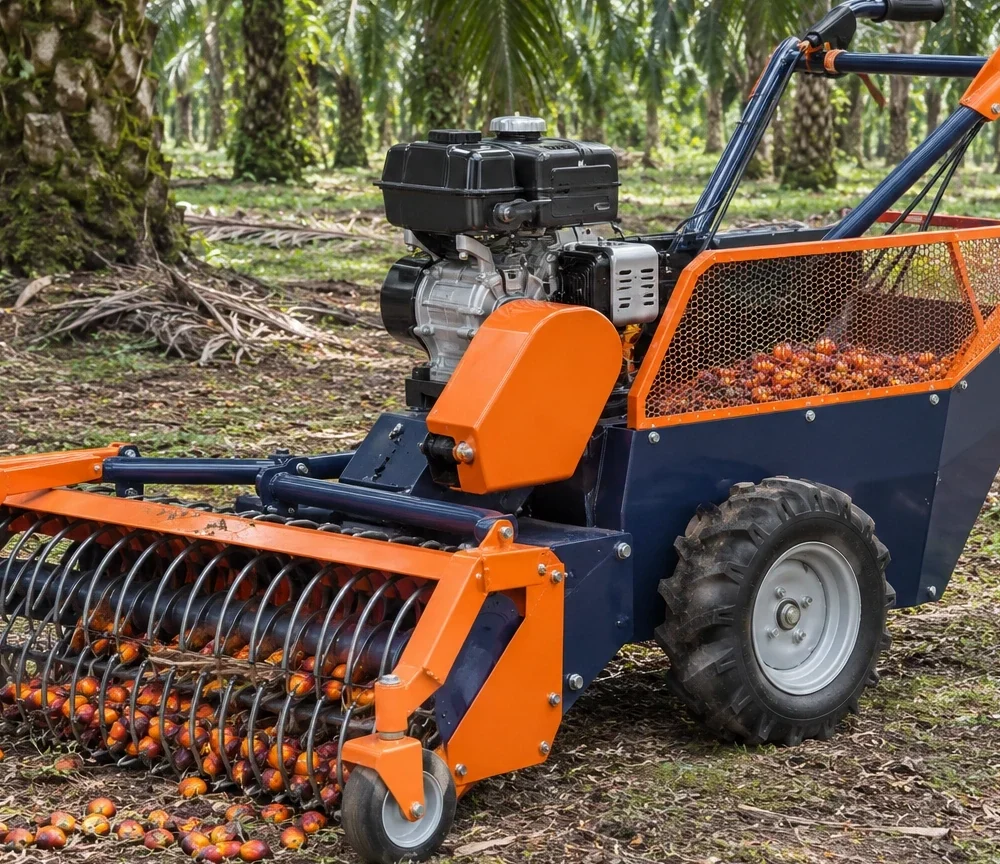
-
SKU N62
Oil Palm Loose Fruit Collector
Agriculture and orchard equipment, Oil palm equipment
$3,922per unit · FOB Qingdao Add to cart -
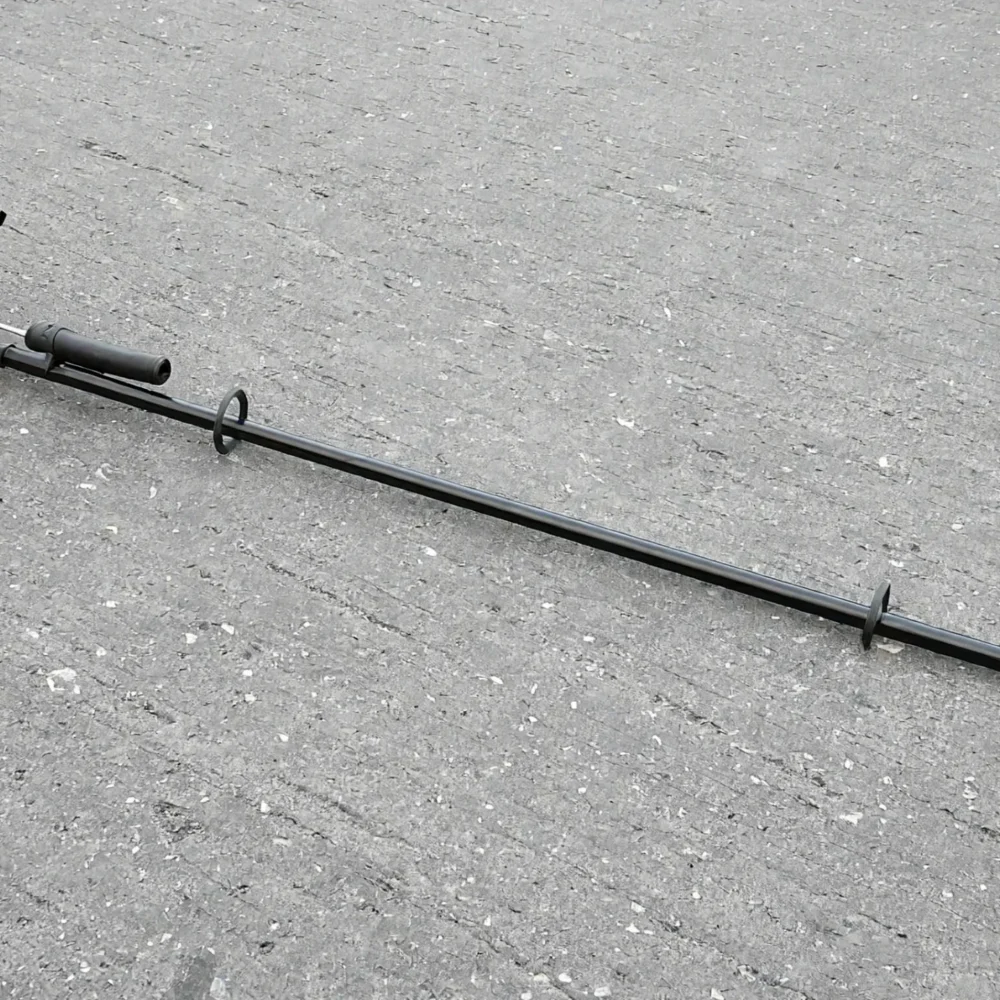
SKU N61
Motorized Oil Palm Harvesting Pole
Agriculture and orchard equipment, Oil palm equipment
Price on requestquoted FOB Qingdao Read more -
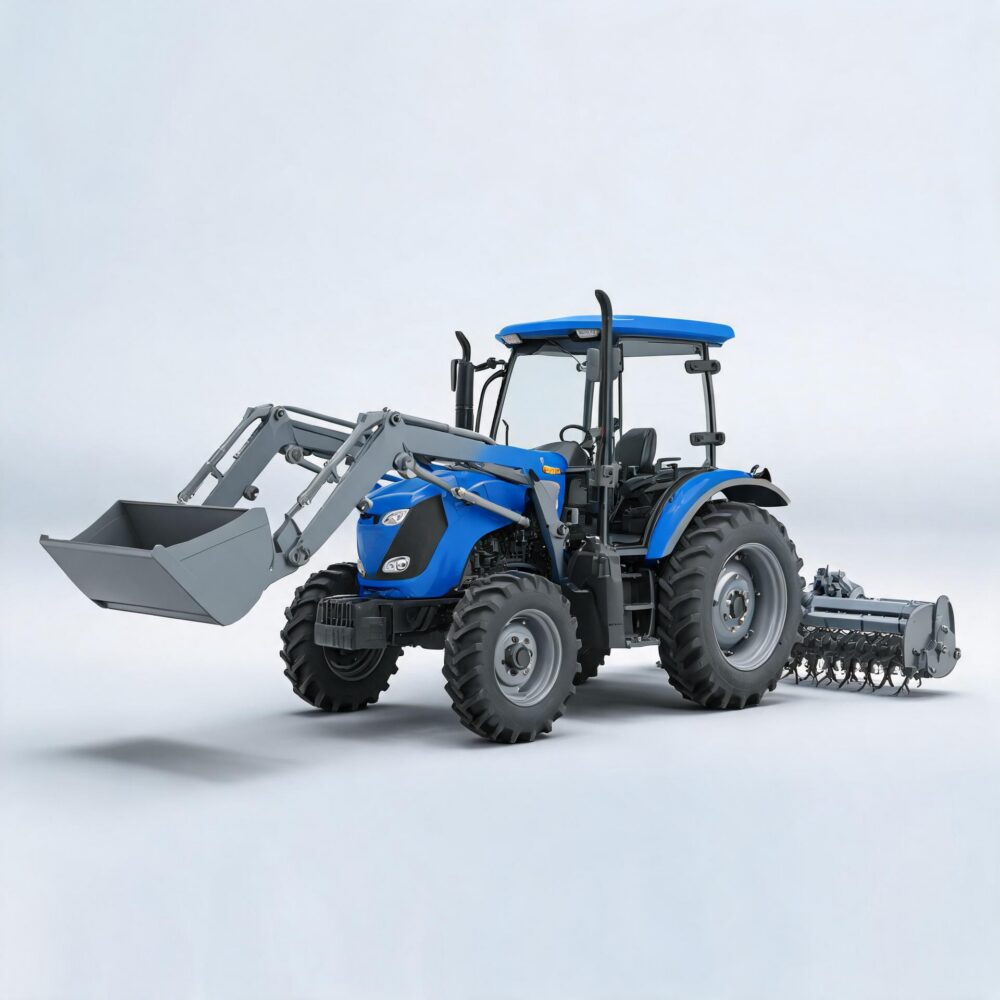
SKU LT01
Agricultural and Horticultural Machinery (Selection Entry)
Orchard and field work
Price on requestconfiguration and terms pending Read more -
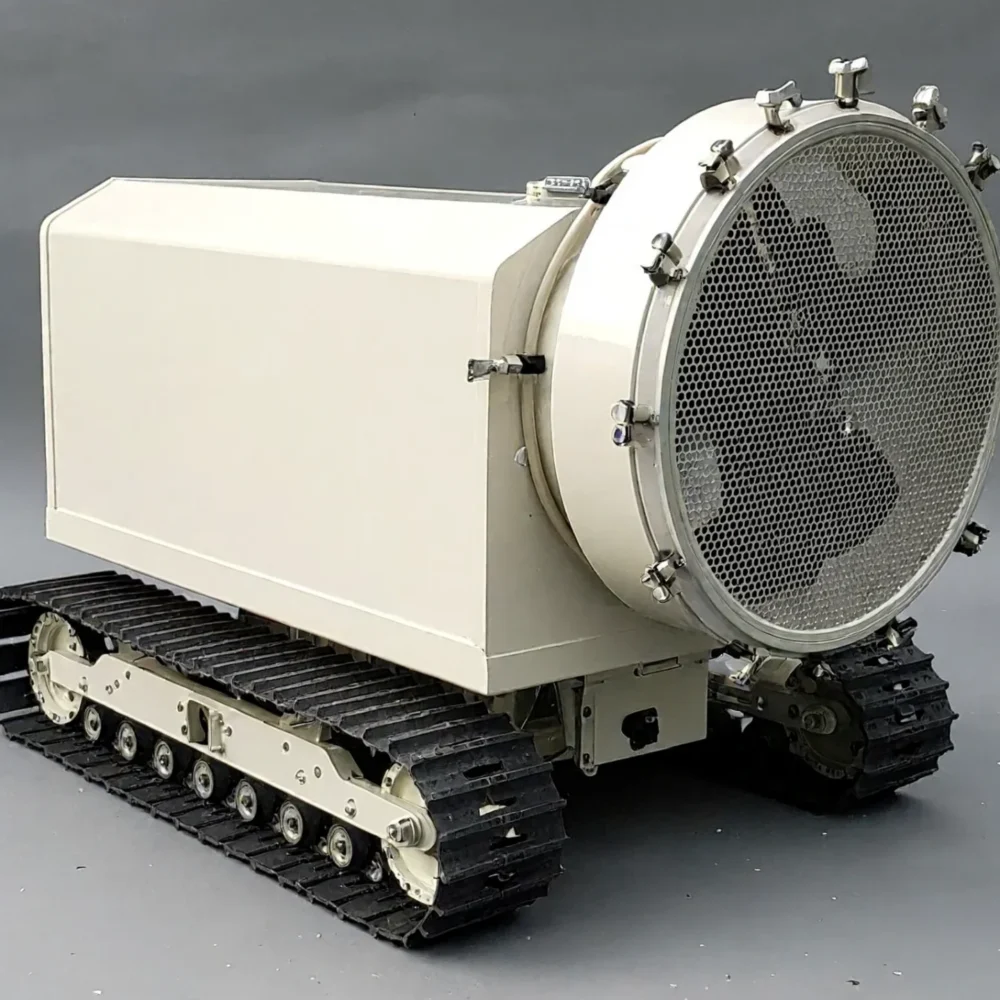
SKU M11
Remote Tracked Orchard Airblast Sprayer
Agriculture and orchard equipment, Orchard and field work
$6,890per unit · FOB Qingdao Add to cart