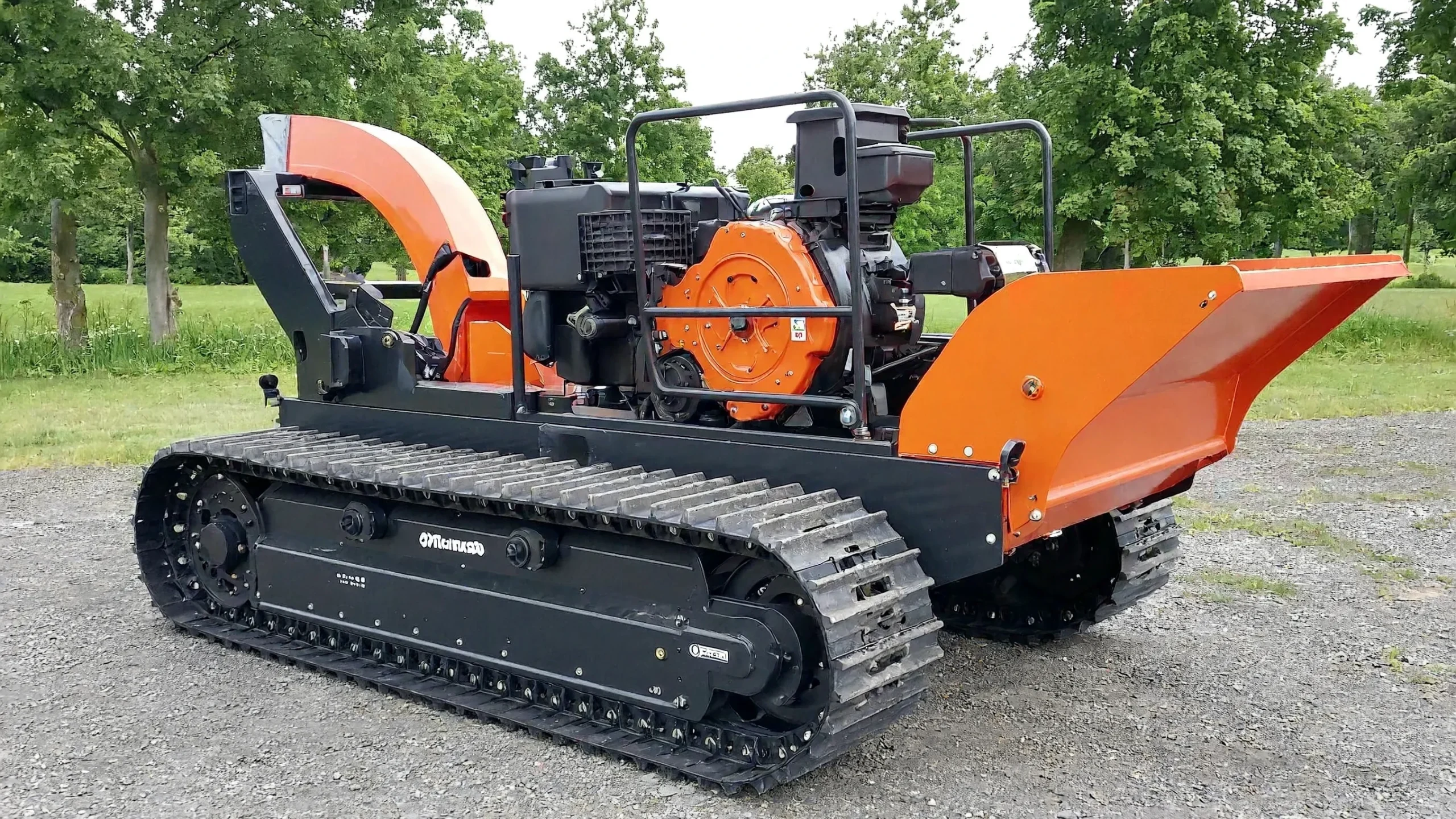
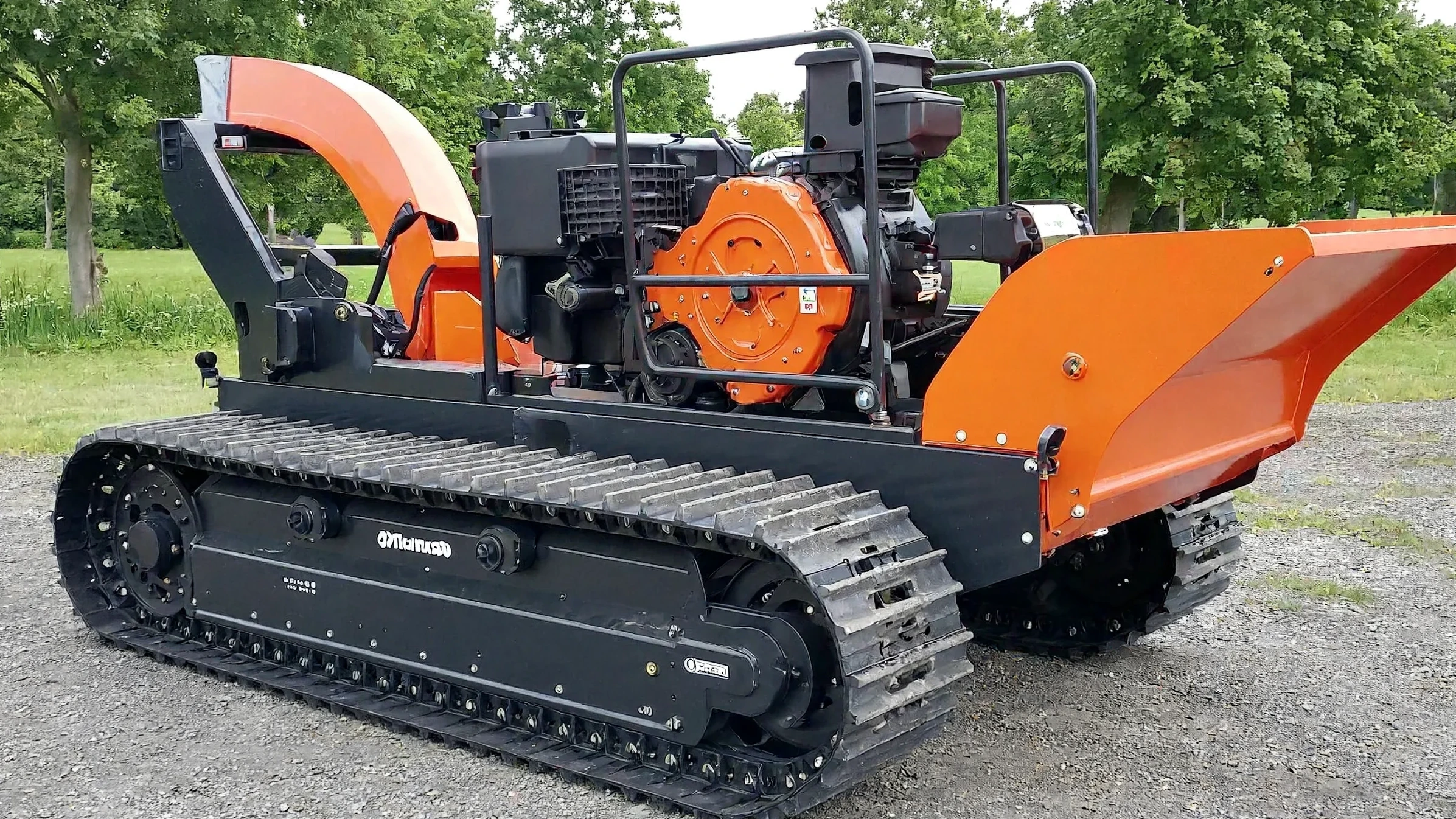
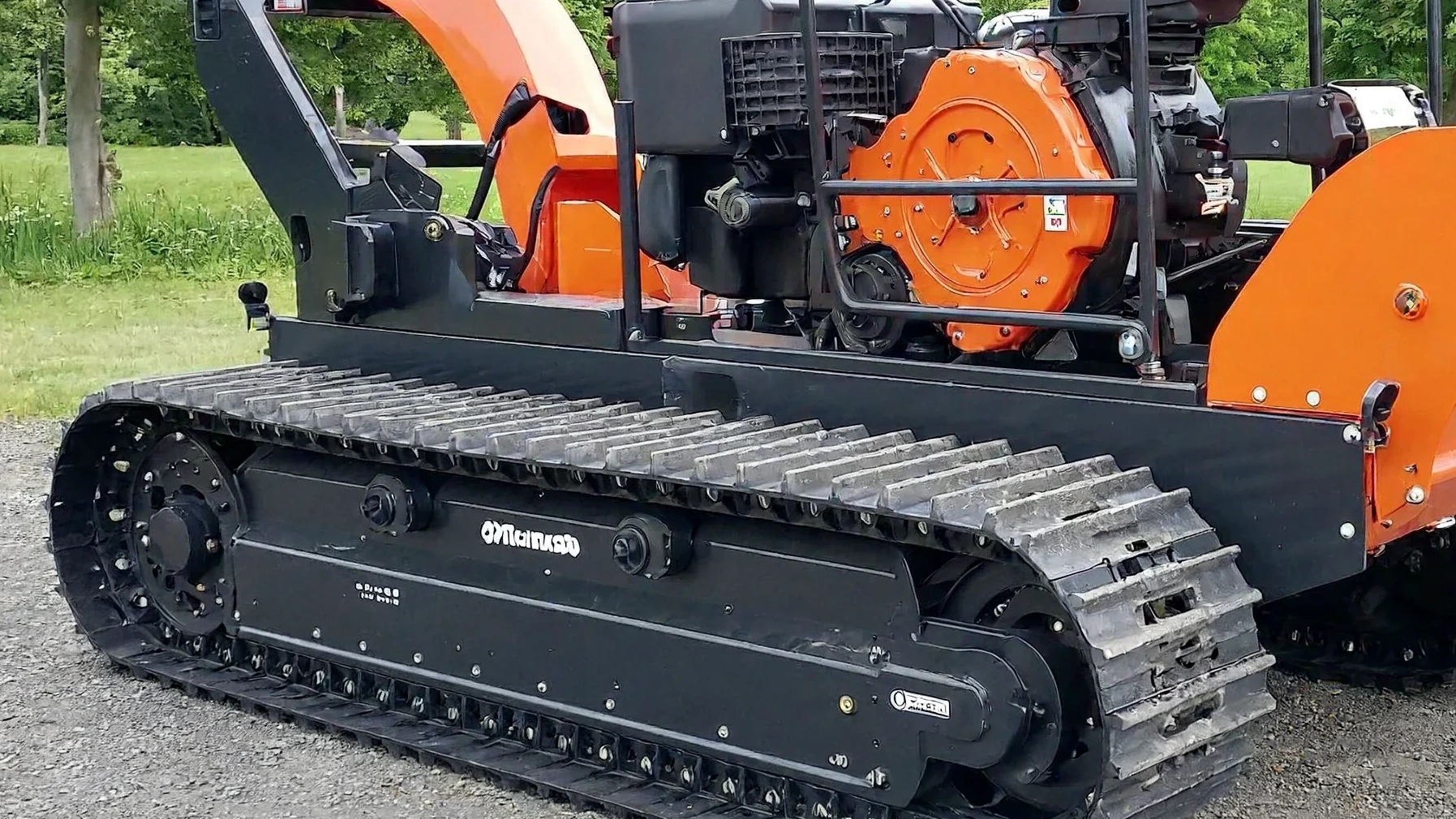
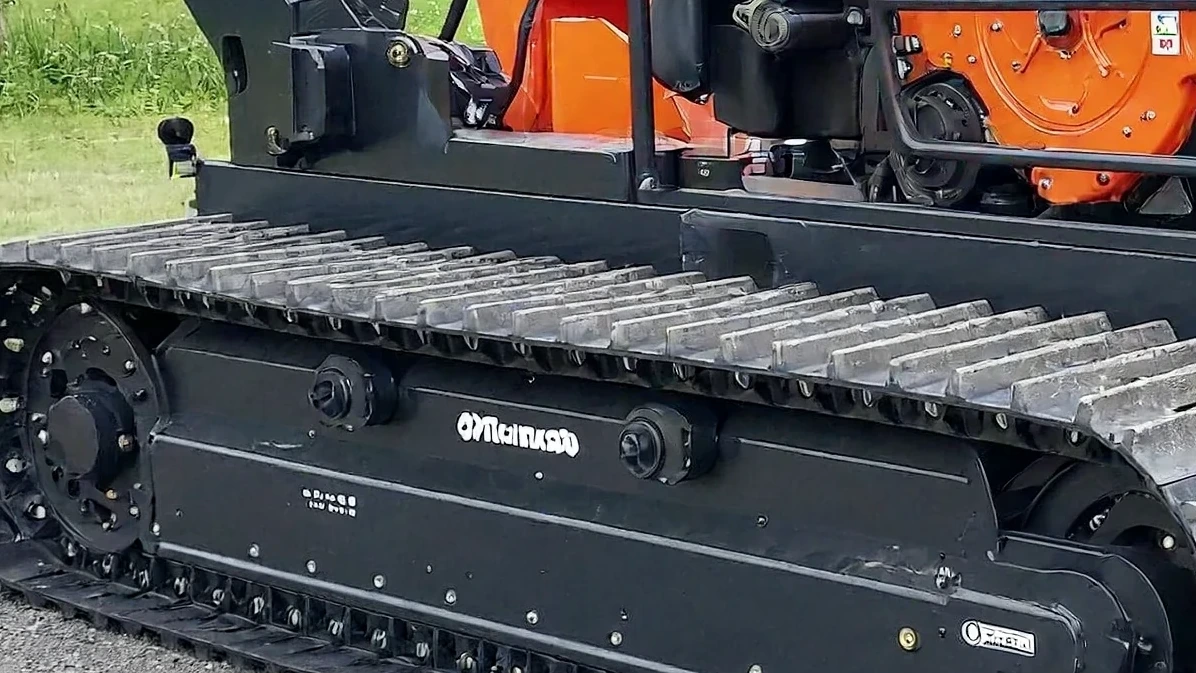
Remote Tracked Wood Chipper
SKU M17$10,494 per unit · FOB Qingdao
40% deposit, balance before shipment. Ocean freight, insurance, duty and destination charges excluded.
Volume discount
- Order over US$30,0003% offpay 97%
- Order over US$60,0005% offpay 95%
Discount eligibility depends on the products and order value. Final pricing is confirmed in your quotation.
- Power reference
- To be confirmed
- Working width / capacity
- To be confirmed
- Weight reference
- To be confirmed
Remote Tracked Wood Chipper (SKU M17) — forestry and wood processing from LYVIK. Indicative unit price US$10,494, FOB Qingdao.
No online payment. Checkout creates a proforma-invoice order; we reply with bank details within one business day.
Overview
Remote Tracked Wood Chipper (SKU M17) belongs to our forestry and wood processing range, supplied by LYVIK. Built for forestry, land clearing and tree-care work with heavy vegetation and uneven ground.
Price is US$10,494 per unit, FOB Qingdao. Orders are confirmed by proforma invoice: 40% deposit to start production, balance before shipment. Ocean freight, insurance, import duty and destination charges are excluded. Volume discount: 3% at US$30,000 and 5% at US$60,000 of eligible order value.
Reference values: power reference: To be confirmed; working width / capacity: To be confirmed; weight reference: To be confirmed.
Reference details and specifications on this page describe the base configuration. Final mount, hydraulics, width, engine, packing and certification are confirmed on the order-specific specification sheet before the proforma invoice is issued.
Product details
Product details
- Carrier / interface
- remote crawler
Reference basis. Final configuration is confirmed on the order-specific specification sheet.
Product specifications
Product specifications
| Power reference | To be confirmed |
|---|---|
| Working width / capacity | To be confirmed |
| Weight reference | To be confirmed |
Reference values for the base configuration. Mount, hydraulics, width, engine and packing are confirmed before the proforma invoice is issued.
Selection guide
Choosing, specifying and ordering Remote Tracked Wood Chipper
Plan the work and the order
Define the assignment
Identify the buyer’s preferred schedule and the people responsible for receiving the equipment and assessing the proposed workflow.
The listing describes M17 as a remote tracked wood chipper. The planning name and scene image are not evidence of the delivered configuration.
Map the work area
Identify the access route, unloading point, proposed work area and the places where material will be brought and received. Record gates, turning space, overhead obstructions and nearby property, people or other equipment.
Provide the same site sketch to suppliers and identify which questions relate to each location. A product image cannot establish a safe work layout or demonstrate that the proposed machine fits the route.
Measure access and transport
Measure the narrowest gate, passage, turn and storage opening. Ask for the operating and transport dimensions and weight of the complete proposed configuration, including equipment that is intended to travel with it.
Clarify the reference points and configuration behind each figure. If a component changes the footprint or travels separately, request that information rather than assuming a base-unit dimension covers the package. Actual dimensions and shipment details remain pending.
Describe the material for evaluation
List the types and typical dimensions of material in the work brief, and identify variations between sites. Ask the supplier which documented material limits and conditions apply to the exact proposed working assembly.
A name, photograph or competitor specification does not establish a supported material size or processing rate for M17. If the current instructions do not address the intended material, record the question for the supplier and responsible operator.
Record location-specific project restrictions
A contractor may work at a commercial property, a municipal site and a remote clearing under different site requirements. Ask each site owner which work windows, access restrictions and documentation the project team needs to consider. Record those conditions with the site identifier and identify who will check them before the work is scheduled.
If the buyer needs equipment information for that review, request the documentation available for the exact proposed configuration, such as any published noise or power-source information. Do not assume the machine complies with a local requirement or that a document is available. The responsible parties should check the applicable requirements for the actual destination and site.
Request the actual working assembly
Ask the supplier to identify the proposed working assembly, controls and included components. Request current specifications and instructions that identify the exact model, revision and conditions behind any published values.
Do not assume a particular feed mechanism, cutting component, discharge arrangement or drive system from the planning label. If alternatives are offered, request a separate itemised equipment list and applicable documents for each one.
If a carrier and attachment are proposed, request written compatibility confirmation for the exact combination.
Clarify the proposed workflow
Explain how material is expected to arrive at the work area and how processed material will be handled afterward. Identify the available space and other equipment that may be involved, without treating the proposed arrangement as an approved operating plan.
Ask which instructions and equipment information are relevant to that workflow. Follow the equipment instructions and applicable local requirements; this page cannot establish a safe feeding, discharge or site arrangement.
Separate material batches in the enquiry
If the work involves different types or sizes of material, describe them as separate batches and explain how often each occurs. Note whether the buyer expects to sort material before it reaches the work area, and identify any site-specific restrictions that the project team has already established.
Ask the supplier which documented material limits and instructions apply to each proposed configuration. Keep the material description with the response so that an answer about one batch is not applied to another. No feed opening, permitted material size or processing rate has been confirmed for M17.
A manufacturer may describe different limits for different material and functions. DR Power, for example, lists branch chipping and yard-waste shredding separately for one of its own products. Use that distinction as a question when comparing an offer, not as a claim that M17 performs either function or shares those limits.
Keep the work brief with the offer
Use a separate identifier for each work area and keep the material description, access measurements and proposed workflow together. When an offer changes, request updated documentation for that exact configuration and record which version answered each question.
The buyer should check destination and site requirements with the appropriate responsible parties. Ask the supplier which relevant equipment documents are available for review; a planning page or generic image does not establish compliance, application suitability or an approved work method.
Review controls and visibility
If remote operation is proposed, use the remote-control document checklist.
Show the intended operator location and potential obstructions on the site sketch. Do not infer an unattended mode, a safe distance or a particular safety outcome.
Plan transport and receiving
Request packing, transport dimensions, weight and loading instructions for the exact proposed package. Identify components that will travel separately and compare the shipment with the buyer’s vehicle, receiving equipment and storage route.
Confirm packaging and unloading responsibilities in the written proposal.
Review maintenance and replacement parts
Ask for the current operating and maintenance instructions, parts references and replacement-component information for the actual working assembly. Identify the document language and who will receive and maintain the equipment.
Clarify whether training, warranty or service is offered and by whom. Do not assume parts from another machine are interchangeable.
If continuity of work is important, ask for a separate quotation for desired spares and request the available lead-time information for the destination.
Compare proposals on the same brief
Send suppliers the same material description, site sketch, quantity, destination and schedule. Keep the exact configuration, current documents, price, production timing and transaction method with each quotation.
Compare any documented value with its stated conditions and mark unanswered material, site or support questions visibly. The local page is not a confirmed quotation or a guarantee of equipment capability.
Read material information on the right basis
A physical opening and a supplier’s material-capacity statement are different fields. Ask what each value describes for the exact equipment and material being offered.
Record which part of the proposed equipment is measured and the configuration behind it.
Review the opening information
Ask the supplier to identify the measurement points, units and equipment revision associated with any published opening dimensions. If a document uses a different term, request its definition and retain the document with the quote. An opening measurement alone does not establish the material type or size permitted for a particular machine. If two offers use different measurement descriptions, request clarification before comparing the figures. No opening size has been confirmed for M17.
Keep the stated limit separate
Compare supplier-reported material information with its stated conditions.
Review the capacity information
Ask how a stated material limit is defined, which material and conditions it covers, and whether it refers to the proposed working assembly. Keep the supplier’s wording and document revision with the quotation. Do not convert an opening size into an assumed processing limit or rate. Vermeer’s BC1000E specification lists an infeed-opening measurement and material-capacity field separately for its own model. It does not establish any M17 value, function or suitability.
Share the details you know and add other equipment as separate enquiry lines.
How to compare Wood chipper options
Wood chipper is best evaluated as a work package, not as a catalogue label. For Remote Tracked Wood Chipper (SKU M17), record the proposed machine, attachment interface, operating limits, transport dimensions and destination before comparing quotes. A useful Wood chipper shortlist separates the task, site access, equipment package and commercial terms so each supplier answers the same question.
Define the work
Describe the material, vegetation or surface, the area covered and how often the Wood chipper task repeats.
Frequently asked questions
What should I compare when choosing Wood chipper?
Compare the work package, access, proposed machine and configuration, documentation, transport and commercial terms. A model number alone does not establish suitability.
How much does a Wood chipper cost?
This model is listed at US$10,494 per unit, FOB Qingdao. Configuration, attachments, packing, freight, destination and duties are confirmed line by line in a written quotation.
Used in these industries
Related products
-
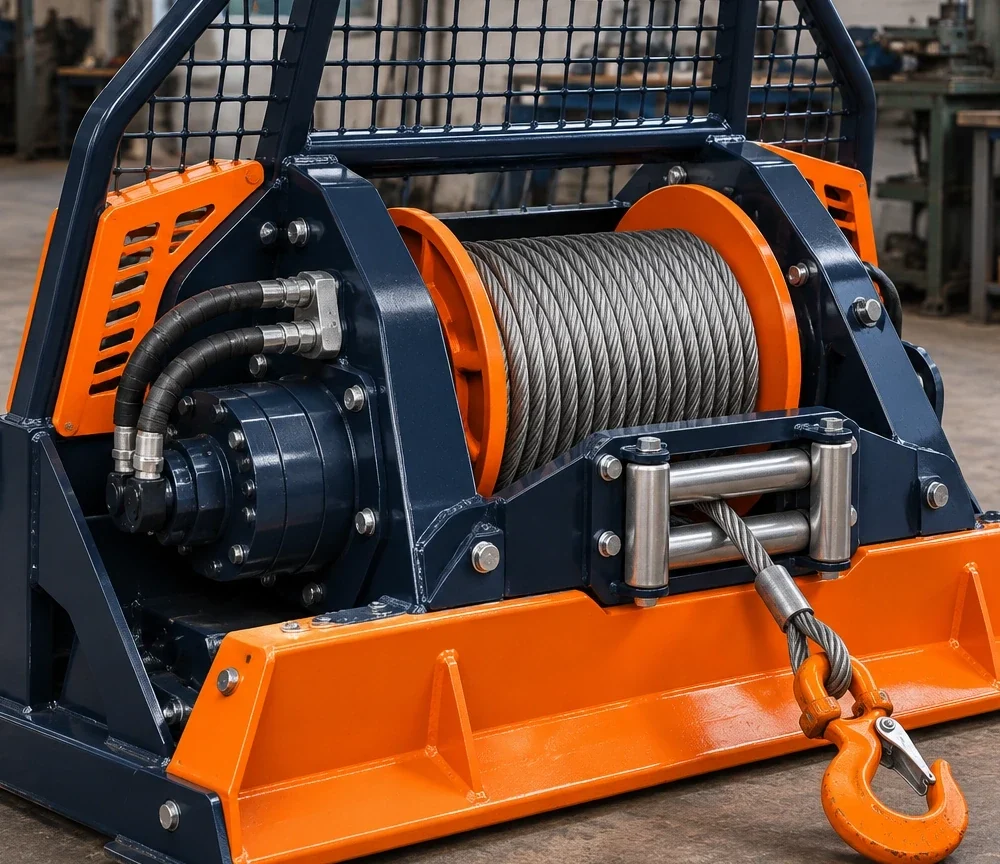
SKU N32
Forestry Winch
Forestry and tree care, Forestry and wood processing
Price on requestquoted FOB Qingdao Read more -
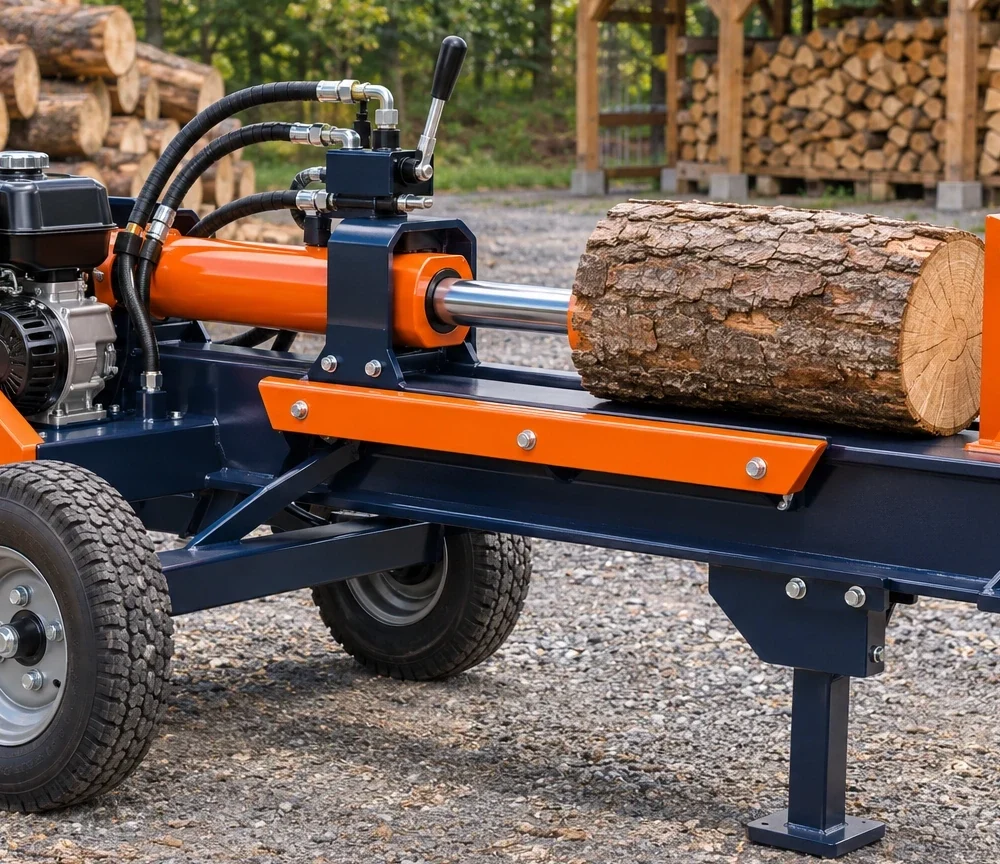
SKU N56
Hydraulic Log Splitter
Forestry and tree care, Forestry and wood processing
$1,696per unit · FOB Qingdao Add to cart -
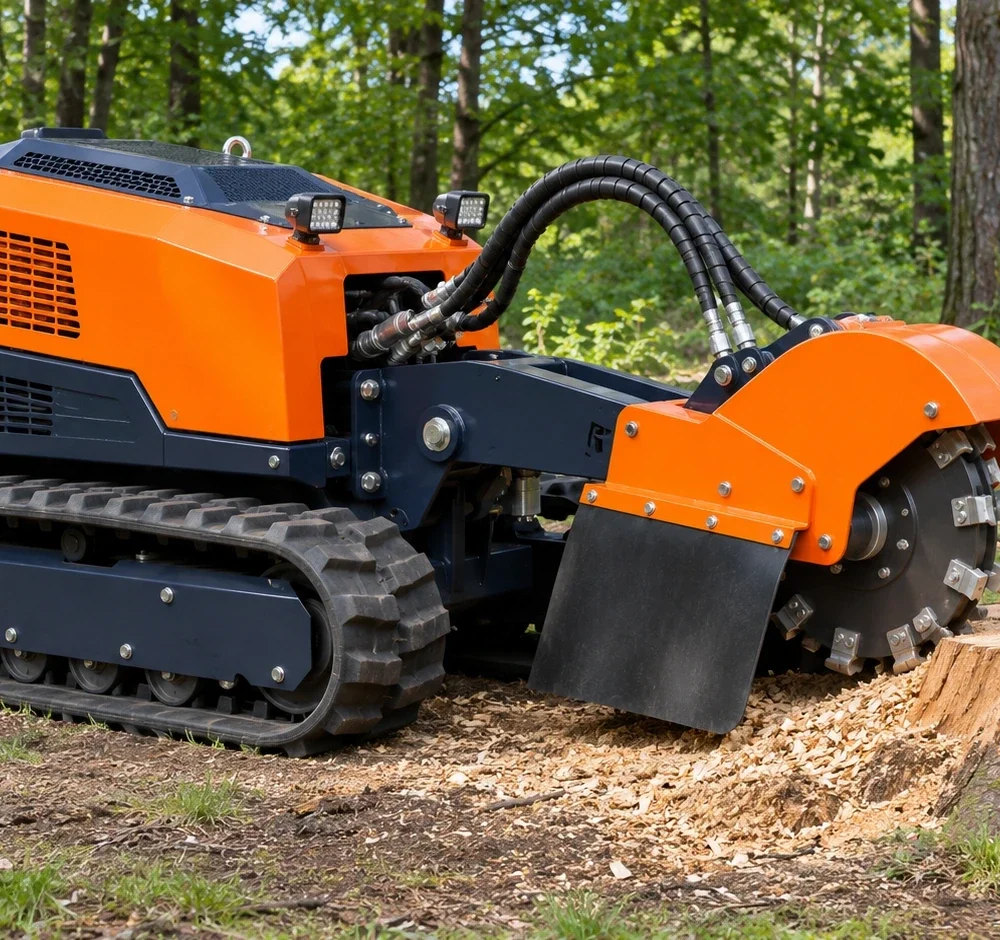
SKU N25
Remote Tracked Stump Grinder
Forestry and tree care, Forestry and wood processing
$8,745per unit · FOB Qingdao Add to cart -
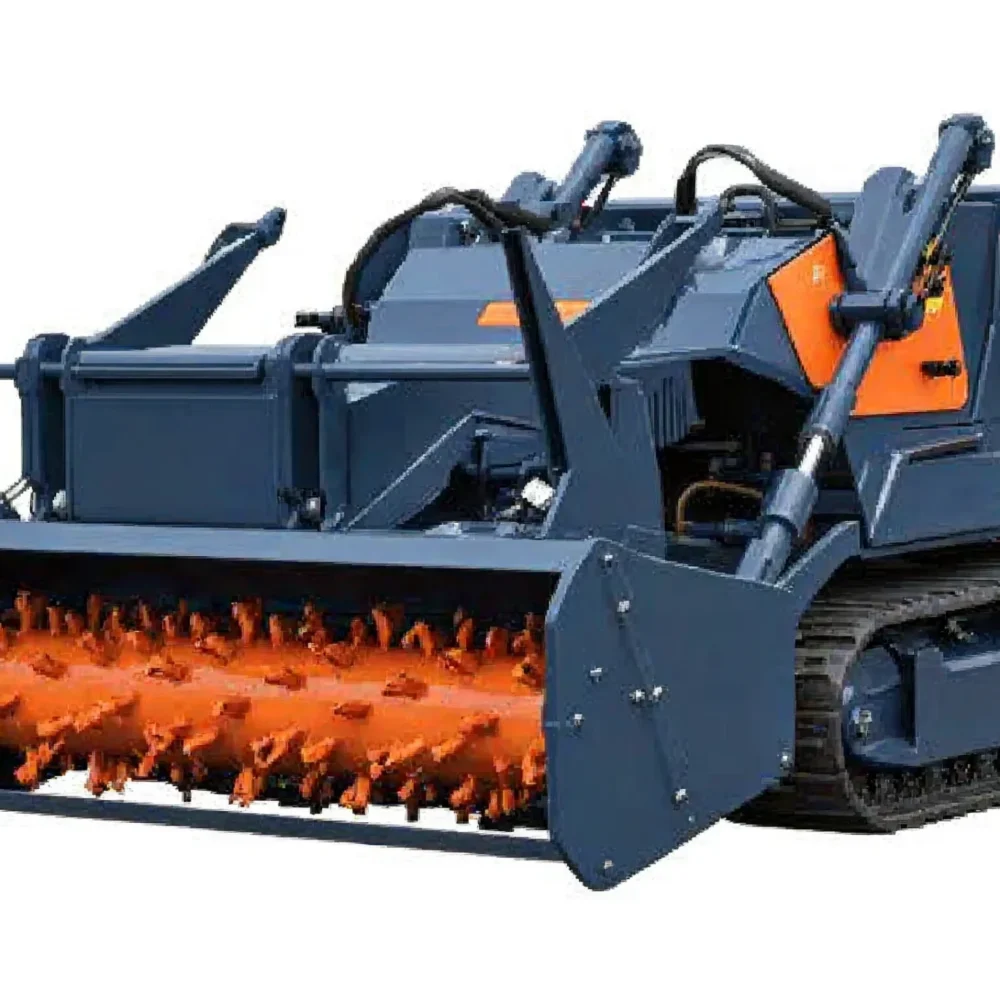
SKU N26
Heavy-Duty Forestry Mulcher
Forestry and tree care, Forestry and wood processing
$8,480per unit · FOB Qingdao Add to cart