MODEL M08
Remote control slope mower
Request the complete equipment configuration and documents for the proposed unit.
View M08 →Home / Remote control mowers / Compare
LOCAL COMPARISON SAMPLE
Use one site brief to request comparable proposals for M08 and M09. Their actual model identity, power arrangement and specifications are confirmed in the written quotation.
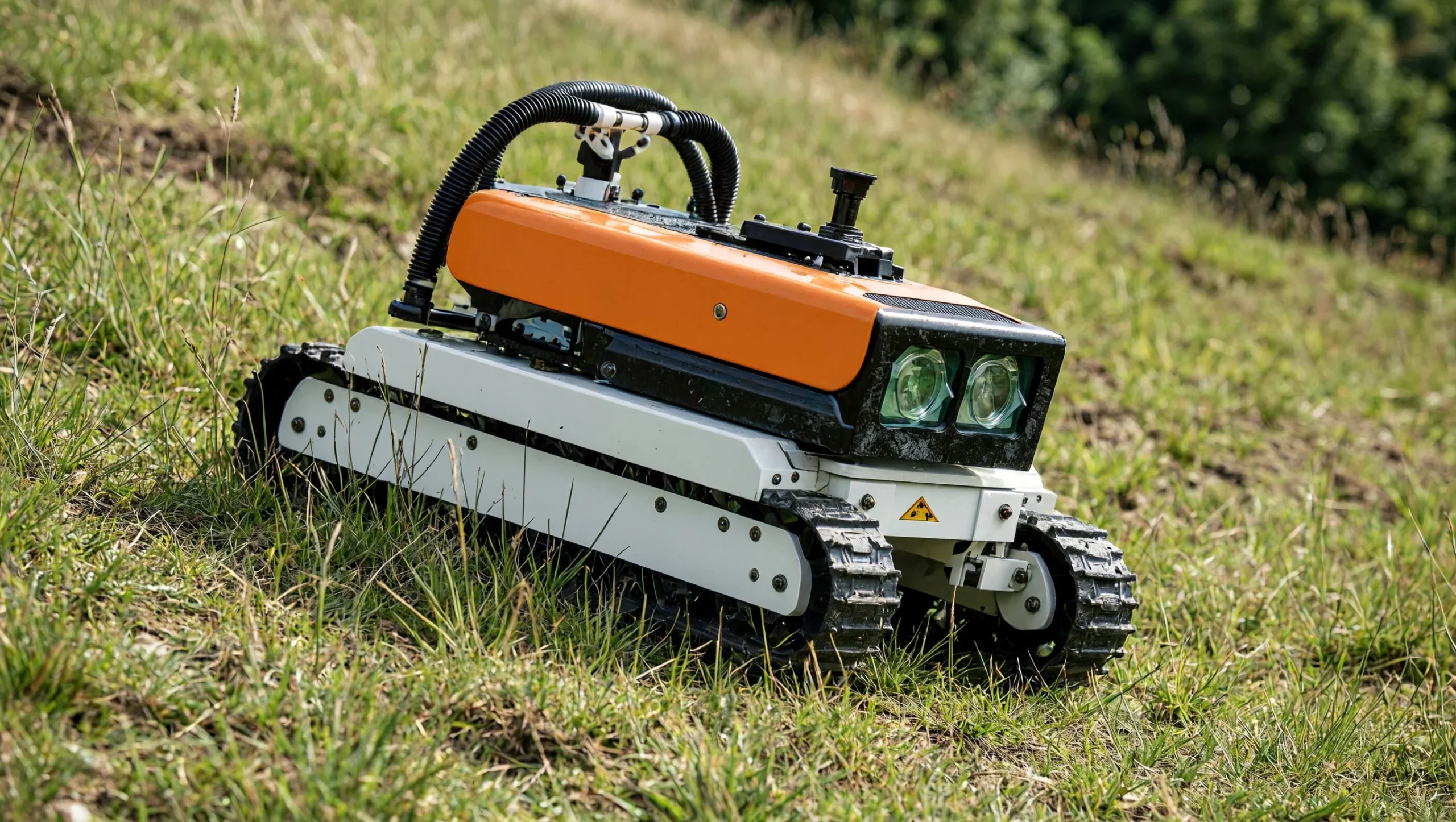
MODEL M08
Request the complete equipment configuration and documents for the proposed unit.
View M08 →MODEL M09
Request the complete equipment configuration and documents for the proposed unit.
View M09 →Fill the differences only after receiving evidence for each exact configuration. Scroll the table horizontally on a small screen.
| Buyer question | M08 | M09 |
|---|---|---|
| Overall operating widthNeeded to compare the complete equipment with gates and turns. | On request | On request |
| Working width and cutting arrangementNeeded to compare the work requirement against the offered assembly. | On request | On request |
| Power arrangement and supplied equipmentIdentify the power source and exactly what is included in each offer. | On request | On request |
| Operating conditions and site limitsRequest model-specific instructions and supporting conditions. | On request | On request |
| Controller and operating instructionsIdentify the supplied controller, its documentation and operator requirements. | On request | On request |
| Transport dimensions and weightCompare the complete package with the receiving route and transport arrangements. | On request | On request |
| Price, production timing and supportAsk for the destination and configuration behind every written proposal. | On request | On request |
List vegetation, access, surface and work frequency for each location. Identify the tightest route and any known restrictions. These are buyer requirements, not equipment ratings.
Ask for the machine, controls, power components and any requested spares as separate lines. Compare the same quantities and identify what is included, optional or unanswered.
Keep the document revision and stated conditions with each proposal. A figure belonging to one machine, competitor or test must not be transferred to the other option.
Provide destination, quantity and desired schedule. Ask for price, production timing, documentation and support in the written offer. Availability and transaction method remain pending.
A single property may have one mowing route, while a contractor can move equipment between roadsides, landscaped grounds and multiple customers. List the sites in the enquiry and identify the differences that matter: access, the vegetation to be managed, transport between jobs and the expected working window. Use a separate note for unusual areas instead of describing all properties as an average site.
The same brief should go with both M08 and M09. If a supplier proposes a different configuration for one location, keep it as a separate offer and ask what changed. This makes the comparison about the actual job and offered package rather than assumptions derived from a name or photograph.
Record the narrowest gate or passage, turning spaces, overhead restrictions and where the equipment must be loaded or unloaded. Photograph the route in both directions and mark features that can change, such as parked vehicles, soft ground or temporary fencing. State which measurements are estimates and who will confirm them.
Request dimensions for each complete offered configuration, including any protruding equipment and the relevant transport position. A single quoted cutting width does not establish whether the machine can pass a gate, turn at the end of a route or be loaded onto a particular vehicle.
Describe the vegetation to be cut, its typical condition, any variability across the site and the desired result. Include photographs with an object for scale where possible. Explain whether the buyer wants routine maintenance or is planning work on areas that have not been maintained recently; this information helps frame a supplier question.
Ask the supplier to describe the proposed cutting arrangement and the conditions for its use. Request the applicable instructions for the exact assembly, including inspection and maintenance requirements. Do not infer material capacity, finish quality or attachment compatibility from either option label.
Provide the site team’s available information about slopes, transitions, surface condition and obstacles, while clearly identifying measurements that have not been verified. A photograph alone may not show the steepness or condition of the ground. Record the operator’s intended location and places where visibility or access may change.
Request the manufacturer's documented operating conditions for each exact proposed configuration and ask how those conditions are defined. The responsible site team must evaluate the actual work and follow applicable instructions. This page does not establish a safe slope rating or suggest that either model can be used on a particular surface.
Ask each supplier to identify the machine and cutting assembly by model, revision and included configuration. Request current photographs and a written component list. If more than one deck or working assembly is available, ask which one is included in the quoted price and which options need a separate quotation.
Record dimensions and specifications together with their source and conditions. If a response uses an unfamiliar term, ask for its definition before entering it in the comparison table. Do not substitute a competitor’s specification for information missing from a LYVIK proposal.
The planning names alone do not establish the power source or performance of either option. Ask how each offered configuration is powered, what power components are supplied, and which consumables or charging equipment are included or excluded. Request the applicable documentation and any destination-specific requirements.
If operating time is important, describe the intended work and ask the supplier for evidence and the conditions behind any estimate. Runtime can depend on the task and configuration, so figures prepared under different conditions should not be treated as a like-for-like comparison.
For each proposal, ask which controller is supplied, how it is identified, what instructions accompany it and what conditions apply to its use. Describe where an operator is expected to stand and where walls, vegetation or changes in terrain may interrupt the view of the work area.
Request the manufacturer’s documented requirements for visibility, stopping and setup. Do not assume a particular remote range or unattended operation. The operator and responsible site team need to assess the actual route and use the instructions supplied with the proposed equipment.
Ask for operating dimensions, transport dimensions, machine weight, packaging details and lifting or securing information for the exact proposed configuration. Where a loading ramp, trailer or storage doorway is involved, give the supplier the available measurements and ask for the documentation needed to assess the proposed package.
Separate the machine from packed accessories and spare components when planning receiving space. A trailer shown in an illustration is not an included item. Transport equipment, unloading arrangements and storage facilities are buyer planning inputs unless a written offer says otherwise.
A contractor can send a list of typical sites and a separate description of any unusually constrained or complex area. Ask whether each proposal covers the same work brief and request written clarification on items that are outside the stated conditions. Keep site-specific requirements attached to the relevant quotation.
If equipment must move frequently, compare the documented transport package, preparation requirements and information provided for routine checks. Ask separately about initial spares and documentation. The better option cannot be determined until the offered configuration and its conditions have been confirmed.
A dealer or importer may need more than a single unit price. Describe the intended customer group, estimated quantities, destination and the type of technical material needed to evaluate a potential offer. Request itemised prices for each proposed configuration, documents, spare parts and any optional accessories.
Ask how machines and parts will be identified in future correspondence and what support arrangements are proposed for the destination. Availability, commercial terms and any dealer arrangement are subject to confirmation; a product page does not establish a distributorship or local service network.
A purchasing team can create a common questionnaire for operations, maintenance, receiving and finance. Ask each team for its requirements before requesting offers: the route and finish, storage and handling, documentation, desired quantity and the budget information needed for an internal decision.
Compare the complete packages using the same quantities and a stated evaluation date. List unanswered questions rather than assigning invented values. If operators work at several locations, keep the relevant site conditions with the request and ask whether the proposed configuration addresses each stated use.
It is reasonable to request an initial discussion before choosing either option. Send the available photographs, rough measurements and the questions that remain open. Identify any missing supplier document, site measurement or internal decision, and name the person who can resolve it.
Do not treat an absent value as zero or as an advantage for the other model. Request clarification from the supplier and update the comparison only when the answer applies to the exact proposed configuration. The model identity, current specifications and suitability of both options remain pending.
State the destination, desired quantity and proposed schedule in both requests. Ask for dated written offers that identify the machine, controls, working assembly, accessories, documentation and exclusions as separate lines. If you request more than one quantity or configuration, ask the supplier to identify each alternative clearly.
For B2B orders the buyer pays freight, arranges customs clearance and pays import duties by default unless otherwise agreed. Request the packing and collection information needed to obtain transport estimates. Price, production timing, transaction method and destination support are confirmed in the written quotation.
List the documentation and replacement parts information your team needs for its assessment. Ask for identification of wear items, how parts are ordered, what warranty terms are proposed and whether support can be arranged for the destination. Request a separate price for any initial spares package.
A suggested list is not proof that a part is included, interchangeable or available locally. Keep the response with the specific machine and document revision, and confirm any exclusions before making a purchasing decision.
Before selecting an option, bring together the site brief, supplier documentation, itemised commercial offer and the questions raised by operations and receiving. Record which requirements each offer addresses and which remain unanswered. If the configurations differ, explain those differences in the comparison rather than treating the base prices as equivalent.
If the evidence does not support a required comparison, return the question to the supplier. The enquiry can include both M08 and M09, but adding them to a preview basket does not reserve stock, confirm suitability or create an order.