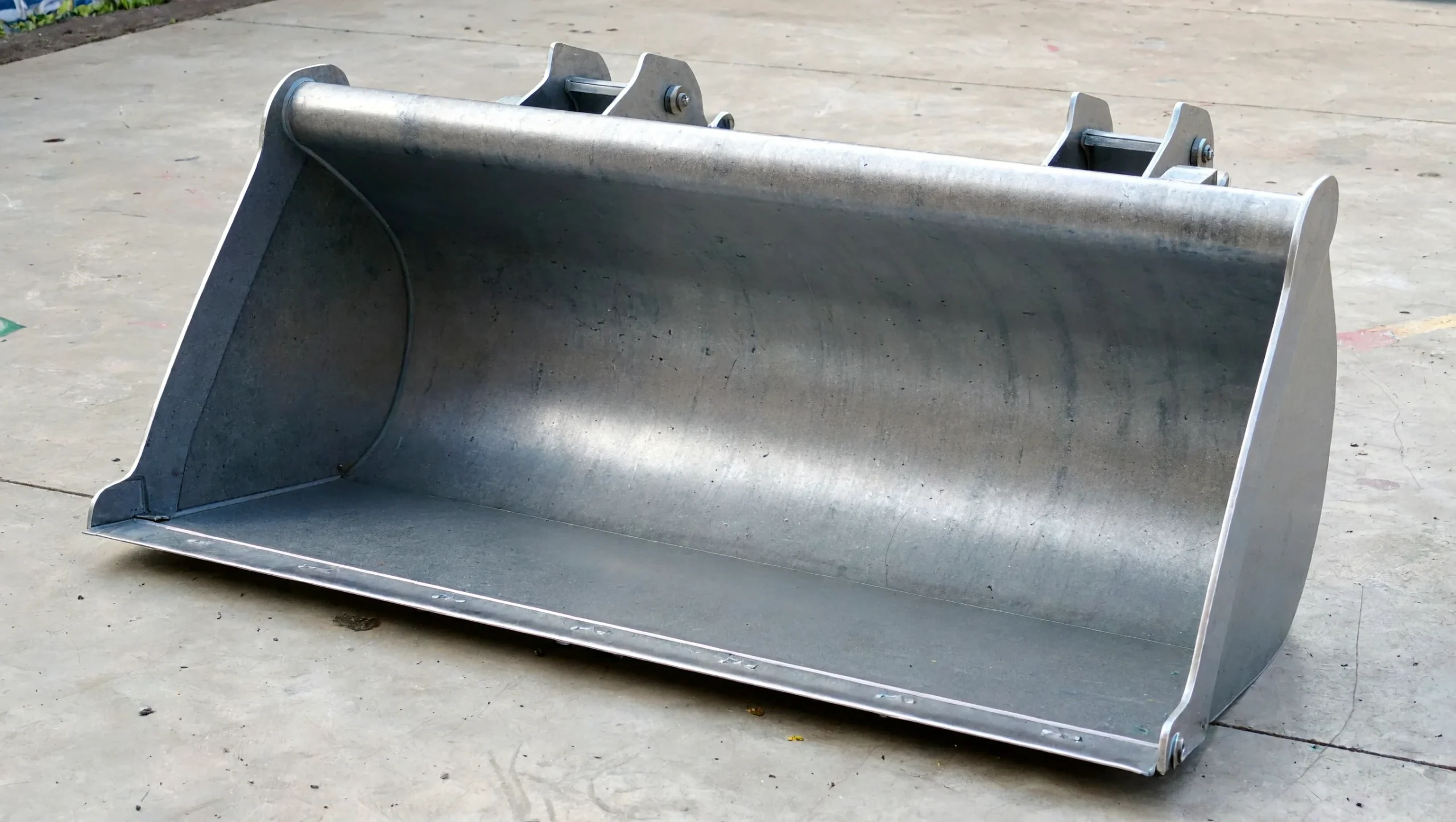
AT01 / BUCKET
Discuss loose material
Describe the material, intended movement and receiving point. Request the proposed bucket type and its documented limits.
View AT01 details →Home / Attachments / Compare
MATERIAL HANDLING / EQUIPMENT COMPARISON
Compare the work, the load and the information needed for an itemised proposal. Request either option or discuss both for different jobs.
Explore the options →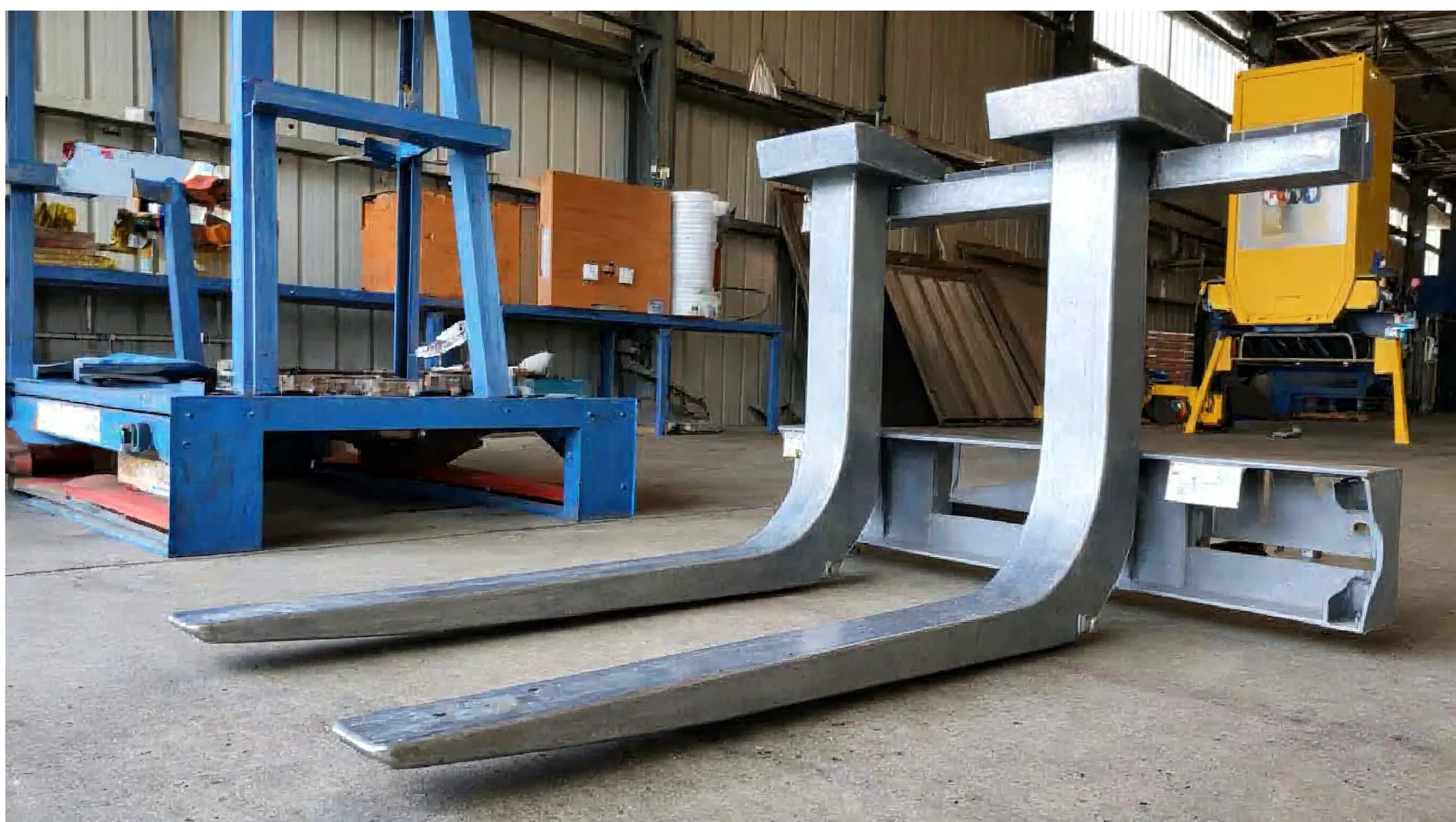
AT01 / BUCKET
Describe the material, intended movement and receiving point. Request the proposed bucket type and its documented limits.
View AT01 details →AT05 / PALLET FORK
Describe the load, pallet, route and placement requirements. Request the proposed fork assembly and its documented limits.
View AT05 details →Use the same carrier and site brief when requesting each offer. The table records questions to resolve; it is not a specification or a compatibility approval.
| Purchase question | AT01 bucket | AT05 pallet forks |
|---|---|---|
| Intended work | Describe loose material and the required movement. | Describe the pallet or supported load and placement. |
| Offered configuration | Bucket type, dimensions and included parts: pending. | Frame, forks, dimensions and included parts: pending. |
| Carrier connection | Mounting and compatibility: pending. | Mounting and compatibility: pending. |
| Documented limits | Applicable limits and conditions: pending. | Applicable limits and conditions: pending. |
| Commercial offer | Price, timing, support and transaction terms: pending. | Price, timing, support and transaction terms: pending. |
BUYER'S GUIDE
Make a short list of the materials the business handles during a normal project. Loose soil, aggregate or mulch should be described separately from palletised goods, bagged products or objects in a container. Include where each load starts and where it must be placed, not just the material name.
AT01 is a bucket planning reference and AT05 a pallet-fork planning reference. A business with both work types can ask for two separate offers in the same enquiry. Neither reference proves that the proposed tool is appropriate for a specific material or already fits the buyer’s machine.
For a bucket request, identify the material, the source and receiving area, and whether it is loose, mixed or contained. Record any information the project team has about particle size, moisture and material condition. If the same carrier is expected to handle several materials, describe each one independently.
Ask the supplier to identify the offered bucket type, overall dimensions, documented volume or other applicable information, and the conditions behind any stated figure. Do not assume that all buckets with a similar appearance have the same geometry or capacity. Any suggested alternative should be identified as a separate configuration.
For a fork enquiry, provide the known weight and outside dimensions of the complete load, including pallet or packaging, and show where the load is supported. Mention overhang, irregular shapes and whether the buyer expects to move one type of load or several. Mark estimates clearly so that they can be replaced with measurements.
Ask for the offered frame and fork identification, dimensions, applicable ratings and instructions. Request the information needed to compare the load and required placement with the exact carrier and attachment. The fork image and product name do not establish a capacity, load centre or suitable pallet.
Where a load extends beyond its pallet or has an uneven distribution, include that information and any available centre-of-gravity details in the brief. Tell the supplier the intended placement height and position, and ask which capacity information applies to the complete proposed configuration at that position. The responsible project team must assess the actual load and equipment documents.
Provide the carrier manufacturer, model, identification and current configuration, including the fitted coupler or mounting arrangement where known. If there are modifications or an attachment is intended for more than one carrier, record each combination separately. Photographs and the carrier’s current documentation can help the supplier understand the request.
Ask which mounting components are included, which are separately priced and what information is needed for a written compatibility review. A shared enquiry or similar-looking mount is not evidence of interchangeability. Leave the combination unresolved if the supplier has not identified the carrier, attachment and connection together.
Map the route from pickup to placement. Record gates, doorways, turns, overhead restrictions and the surface at each end. Describe whether the carrier must pass through a narrow route with the attachment fitted or turn beside another work area. Identify which measurements are confirmed and which still require a site visit.
Request operating and transport dimensions for the complete proposed combination, including the attachment position used for the relevant measurement. The site team must compare those documents with the actual work area. A carrier width alone does not establish clearance for a fork, bucket or load.
When the buyer has a known load weight, record its source and whether it includes packaging, pallet or container. For loose material, give the supplier the information available about the material and the desired amount to move. Do not convert a bucket volume into an assumed safe load without the relevant material and equipment information.
Ask the supplier how attachment weight and the proposed load are treated in the documentation for the actual carrier. Any applicable rating must be read with its stated configuration and conditions. Neither a manufacturer’s example nor a headline attachment rating establishes what the proposed LYVIK combination can handle.
A landscaping project may receive palletised supplies and also move loose soil; a farm may handle packaged goods at a storage area and loose material elsewhere. Describe each operation, its location and expected handover. These are examples of work briefs, not claims that AT01 or AT05 is suitable for either site.
If both attachments are requested, ask for independent prices, identification, mounting information and documentation. The project team should determine how the tools are stored and moved between work areas and who is responsible for any changeover. Do not assume a coupler, changeover method or additional equipment is supplied.
Ask each supplier to identify the offered attachment, model or revision, quantity and included components. For a fork proposal, clarify how the frame and forks are listed; for a bucket proposal, identify the offered bucket and mounting parts. Ask for any optional items to be shown separately rather than relying on an ambiguous package name.
Keep the quotation date, currency, validity period, production timing and destination with each offer. Compare the same requested quantity and support scope. If one response does not address a requirement, mark it open rather than treating silence as confirmation or transferring a detail from another offer.
Identify the dispatch point, destination and person responsible for receiving the order. Ask for package count, packed dimensions, gross weights and handling instructions for the exact items offered. If forks, a frame or mounting pieces are packed separately, request an itemised packing list and a way to identify each package against the order.
For B2B transactions, the default is that the buyer pays freight, arranges customs clearance and pays import duties unless another arrangement is agreed in writing. Discuss insurance, unloading and any destination documentation for the actual order. Production timing and final commercial terms remain pending.
Request the operating and maintenance instructions, identification information and parts references for each offered attachment. State the required document language and ask who would respond to warranty or service questions at the destination. If a buyer wants training, inspection or a sample, describe that request separately and ask whether it is available.
Before proceeding, compare the offer with the original task brief: material or pallet information, exact carrier, interface, work area, documented conditions, included pieces and destination. Keep unanswered items visible. The local enquiry creates a planning record; it does not send a message or create a confirmed order.
For a later receiving check, ask how the delivered attachment and any separately packed mounting pieces will be identified against the agreed order. If the actual model, parts list or documentation differs from the agreed proposal, record the difference and request clarification from the supplier before treating the information as resolved. Any inspection or acceptance arrangement must be agreed for the specific order.
In its attachment selection guide, Bobcat distinguishes loose bulk material from palletised goods when discussing buckets and forks. Its separate fork guidance also says mounting and ratings depend on the machine and attachment. These are manufacturer examples, not data for AT01 or AT05.
Ask for documentation for the actual proposed equipment. A competing attachment, a photograph, or a familiar mounting name does not establish the dimensions, rating or approval of a LYVIK option.