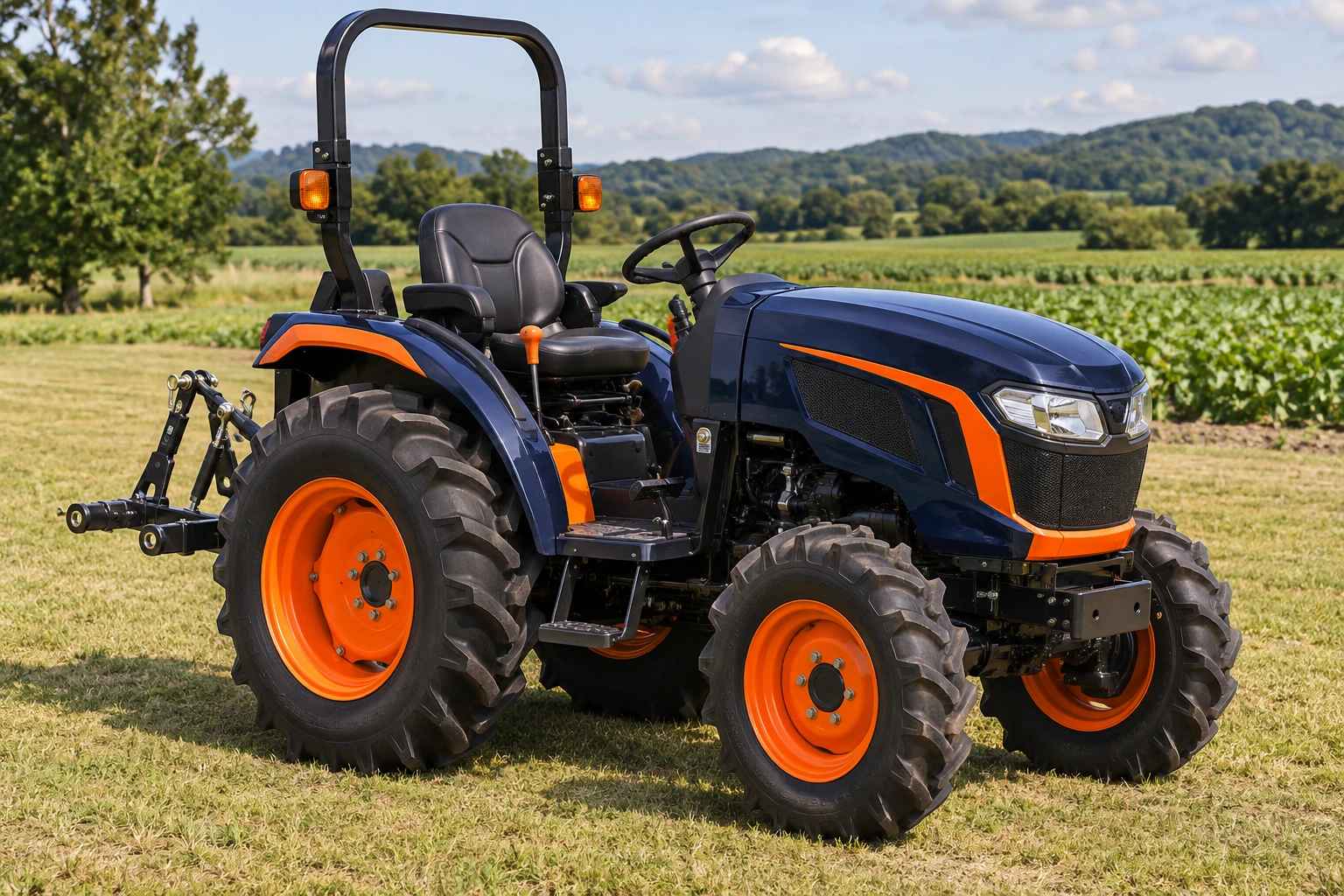
 N46
Compact tractor
Registry specifications and configuration: confirmed with each quotation.
View planning details →Home / Equipment / Compact Tractors
B2B / EQUIPMENT CATEGORY
List the field, orchard, property or material-handling tasks the buyer expects to perform.
Explore this category
Choose equipment below; your selection stays in this browser tab.
These are planning groups for browsing. Model identity, horsepower, drive, dimensions and suitability are confirmed in the written quotation.
Discuss field, transport or implement requirements for each proposed machine.
N46Registry specifications and configuration: confirmed with each quotation.
View planning details →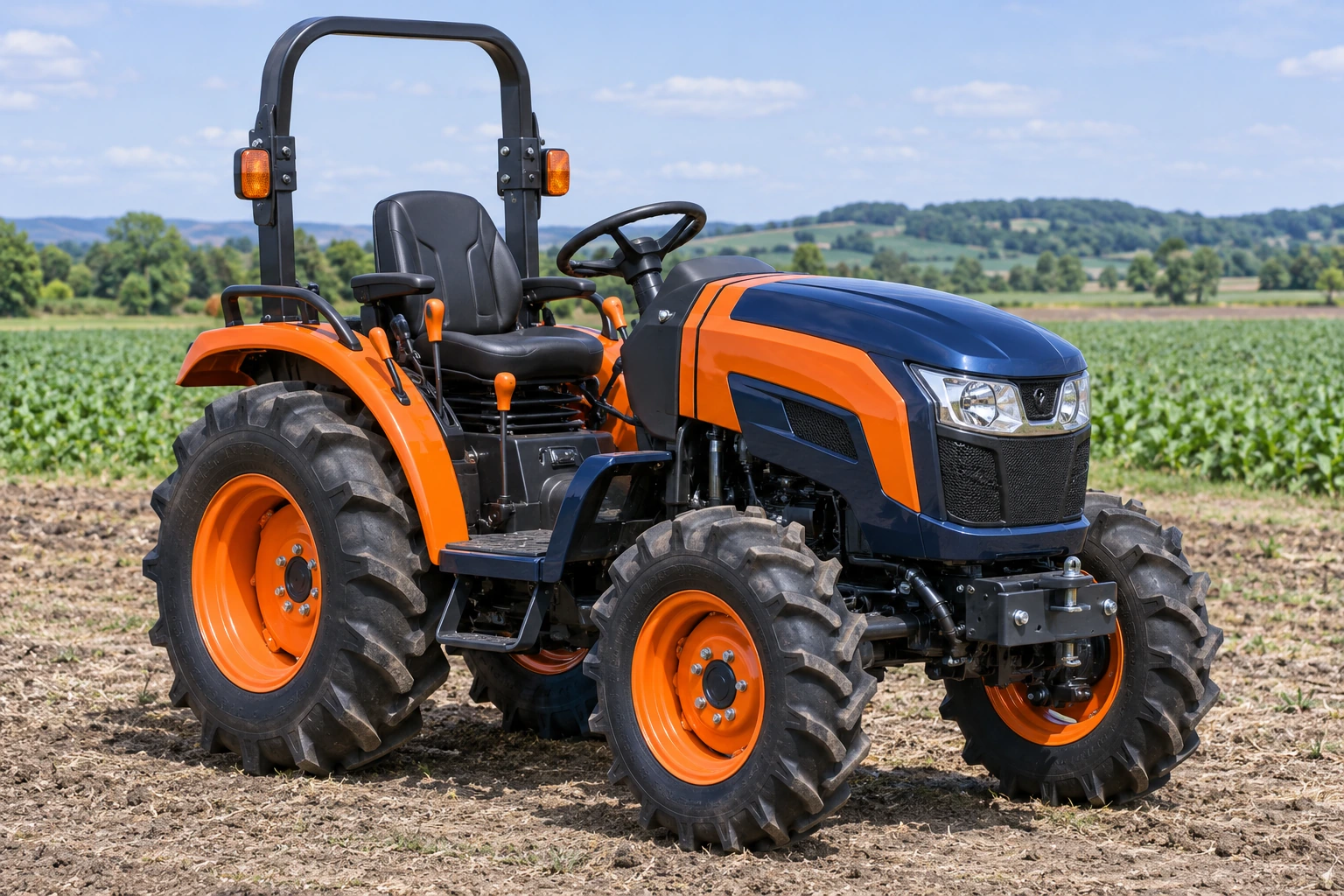 N47
Registry specifications and configuration: confirmed with each quotation.
View planning details → N48
Registry specifications and configuration: confirmed with each quotation.
View planning details →Describe row spacing, overhead restrictions and implement needs for the proposed machine.
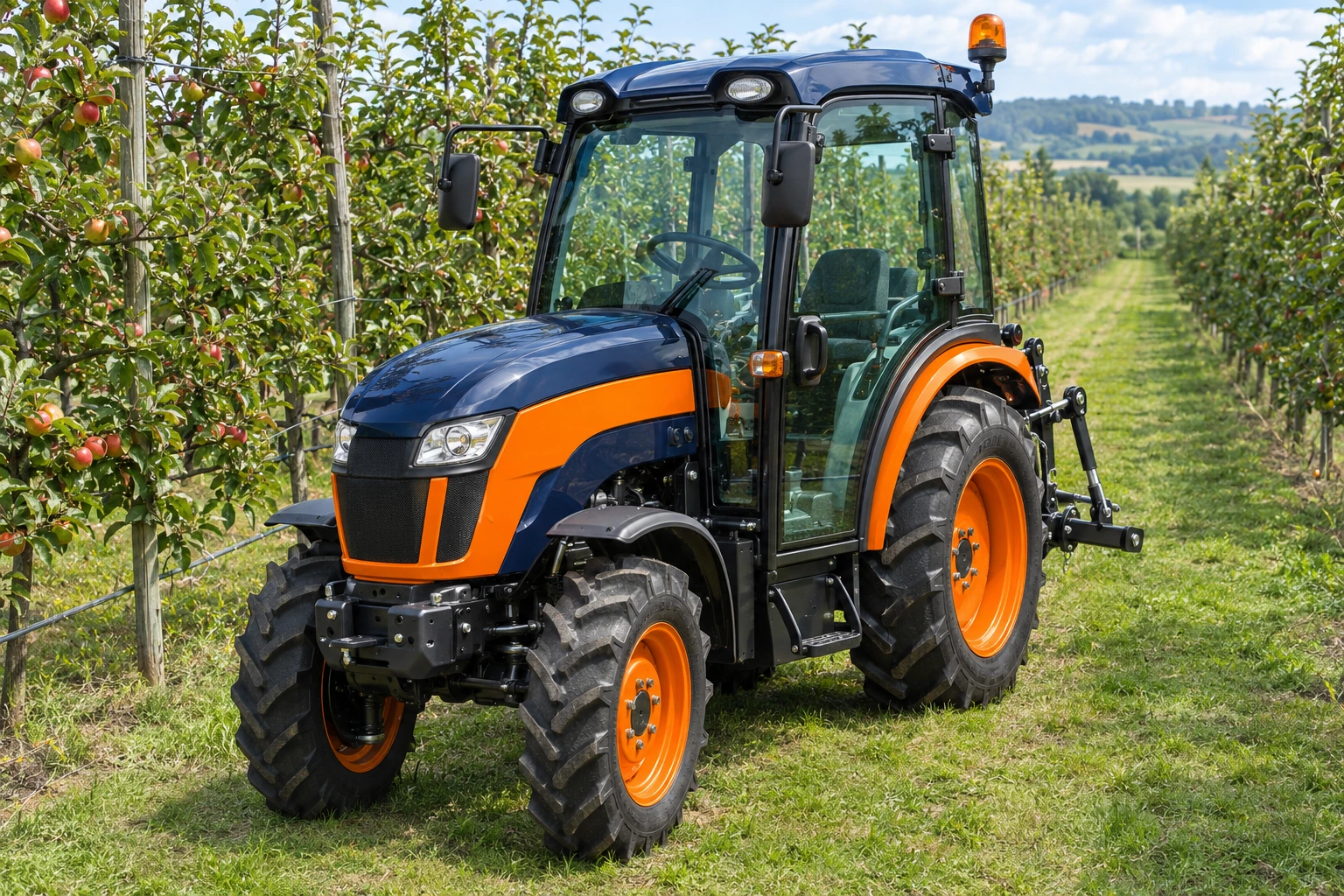
Registry specifications and configuration: confirmed with each quotation.
View planning details →SELECTION GUIDE
Record when each task occurs, how often equipment is needed and whether the same machine must travel between sites. A seasonal work plan helps identify which implements and operating information should be requested without assuming that any particular model or configuration is available.
Record gates, bridges, narrow passages, overhead clearance and turning areas from storage to the worksite. Note surface changes and constraints that vary with the season. Request the operating and transport dimensions of the exact proposed tractor and any fitted equipment. Compare the full route, not just the work area, using the same reference points in each proposal.
List each existing implement by make, model and configuration, and gather the documents that describe its mounting and operating requirements. Tell the supplier which tasks require those implements and which are only under consideration. Ask for written compatibility with the proposed tractor; an implement that fits another machine cannot be assumed to fit the option.
Request an itemised description of the tractor, controls, equipment, accessories and documents. Mark each item as included, optional or pending. If the supplier proposes alternatives, ask for a separate configuration list and price for each. Planning names in the model cards may contain numbers or drive descriptions, but actual specifications and model identities remain unconfirmed.
An implement can change the space needed to enter, turn or store the complete combination. Ask for the dimensions and weight of the tractor and proposed implement in the supplier-defined working and transport arrangements. Compare those values with gates, storage and loading access. Where the supplier does not provide a combined measurement, keep that question open rather than adding unrelated headline values.
For each implement, ask which mounting, control, power or hydraulic information applies to the exact combination. Compare documented requirements with the proposed tractor configuration and request written compatibility. The category does not establish that a particular connection, power take-off or hydraulic arrangement is supplied. Clarify whether required adapters, connections and controls are included in the quotation.
Keep the current specification and operating documents with the exact model and configuration they describe. Ask how each value was measured and whether equipment fitted for the intended job changes it. Where a figure is missing or provisional, record the question it affects. A power label in a planning name is not a verified output or evidence that an implement is supported.
Ask for transport weight, dimensions, packing and loading information for the actual equipment and accessories in the proposed order. Compare the complete shipment with the receiving location and available unloading equipment. Identify whether implements travel separately and who will arrange handling. Confirm destination serviceability and named delivery terms; the B2B default responsibilities appear in the delivery section below.

Ask which operator instructions, maintenance information and parts references are available for the proposed tractor and each included implement. Identify who will maintain the equipment and the language needed at the destination. Do not assume replacement parts are interchangeable between model names. Warranty, training, service coverage and parts availability remain pending until confirmed for the order.
Send each supplier the same task list, implement information, site measurements, quantity, destination and intended schedule. Keep itemised equipment, documents, price, production timing and transaction method alongside each offer. Record unresolved compatibility and support questions visibly. The most useful comparison is between complete, clearly identified configurations rather than a single headline value.
Use the model cards as planning references and open the options relevant to the work brief. Check the actual model identity and any numerical terms against the current supplier documents. Category membership and availability are still provisional. If no option has the required information, retain the gap in the shortlist instead of presenting it as a confirmed product difference.
Before proceeding, reconcile the configuration list, implement combinations, supporting documents and delivery arrangements with the questions raised in the brief. Confirm what is included and who is responsible for unloading. The exact transaction method, price, timing and destination support require confirmation for each order; the planning page does not create a quotation or a service commitment.
DELIVERY AND SUPPORT
For B2B orders, customers pay freight, arrange customs clearance and pay import duties by default. Confirm destination serviceability, delivery terms, documentation and support before deciding.
Explore delivery questions →