 N26
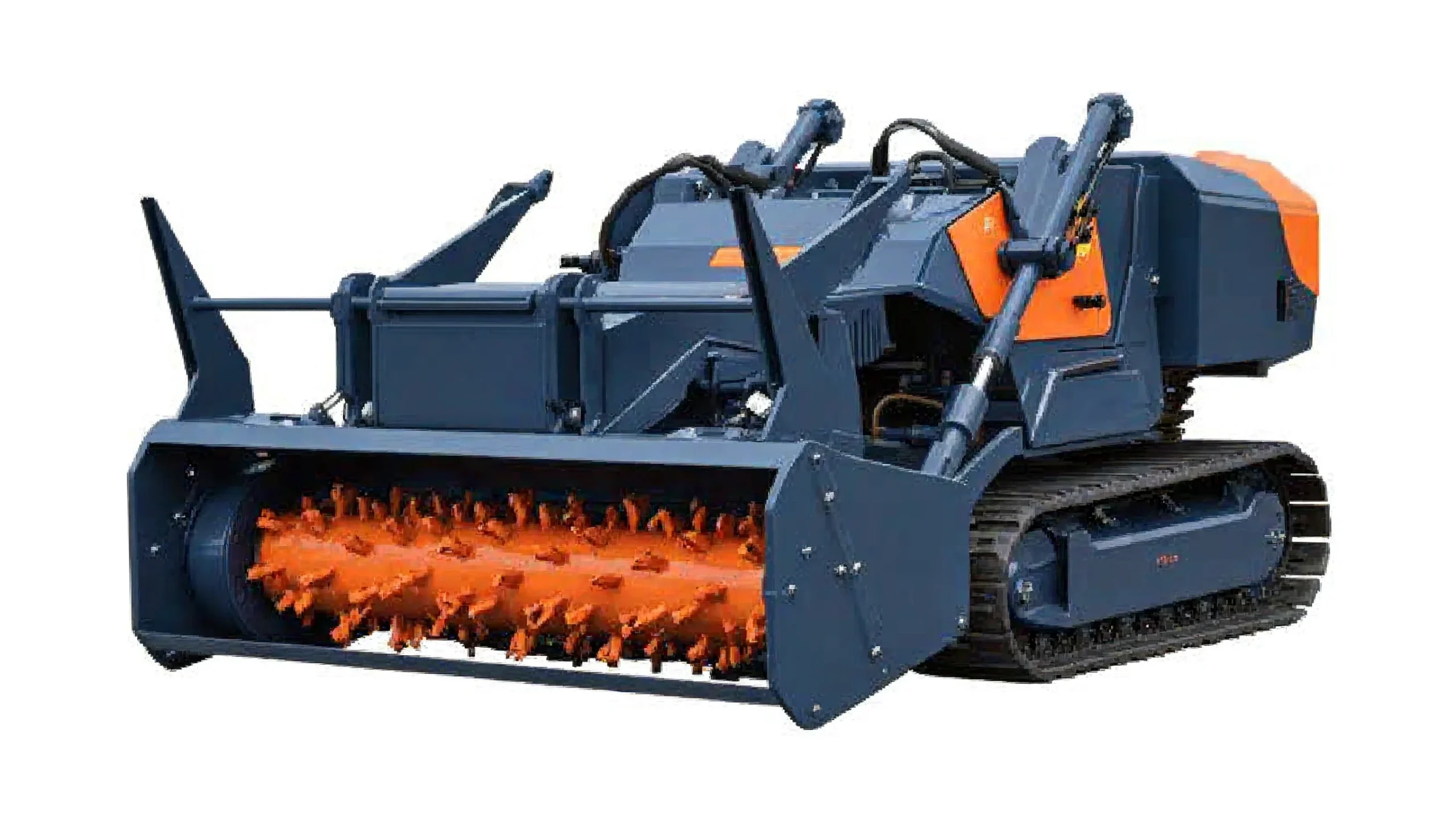
Heavy-Duty Forestry Mulcher
Model and placement: confirmed with each quotation.
View planning details →Home / Equipment / Forestry Mulchers
B2B / EQUIPMENT CATEGORY
Record the vegetation, condition of the area, intended result and how frequently the work is planned.
Explore this category
Choose equipment below; your selection stays in this browser tab.
N26Model and placement: confirmed with each quotation.
View planning details →SELECTION GUIDE
Note whether the job covers one location or several sites with different access and ground conditions. Give the supplier a clear task description rather than assuming that a planning label establishes the material the equipment can handle.
Record gates, turns, overhead restrictions and the route from unloading to the work area. Include nearby roads, structures, utilities and places where people or other equipment may enter. Conditions can change across a site and between seasons, so identify those differences in the brief. The responsible operator must assess the site using the equipment instructions and applicable local requirements.
Ask whether the quotation concerns a complete machine, an attachment or another configuration. Request the exact model identification, working assembly and itemised equipment list. The forestry category and its model cards are planning references: they do not establish a specific machine, carrier, working head or available configuration. Keep identity and availability marked as pending until confirmed.
Provide the carrier make, model, configuration, fitted coupler and relevant connection information. Request written confirmation of the mounting arrangement, controls and any power or hydraulic requirements for the exact carrier and attachment together. If multiple carriers are proposed, ask for each combination to be assessed separately. An attachment name or photograph does not establish compatibility.
Describe the material and ask for the operating information and conditions that apply to the exact proposed configuration. Clarify how any published limit is measured and whether it covers the material and work described in the brief. Do not carry a figure from another manufacturer or model into the comparison. A missing or unclear condition remains an open question.
Measure the narrowest gates, overhead clearance, turns and available working space. Request the operating and transport dimensions and weight for the complete proposed equipment, including the carrier and any attachment. Clarify how the supplier defines those arrangements. Include the vehicle and loading space in the brief so transport questions are considered before an order is placed.
Ask for the operator instructions, controls and stop information applicable to the proposed configuration. Where remote operation is offered, request the documented visibility requirements, stated range and response to lost communication. Confirm which controls and accessories are included. No control system, training service or unattended operating capability is established by the category name.
Describe nearby people, property, roads and other equipment to the supplier and the responsible site team. Ask which site and operating requirements are documented for the proposed equipment. This selection page cannot approve a work plan, establish a safe distance or determine site suitability. Follow the equipment instructions and applicable local requirements, using qualified advice where needed.

Request an itemised description of the working assembly and any mounting pieces, controls, connections and accessories. Ask which items are standard, optional or confirmed with each quotation in each proposed configuration. Identify the model-specific documents that describe maintenance and replacement components. Do not infer that a photographed component, adjustment or accessory is included in the quotation.
Ask how replacement components are identified and which maintenance documents, parts and service arrangements can be supplied to the destination. Identify who will maintain the machine and whether training is offered. Warranty, parts availability, service coverage and response arrangements remain pending until confirmed for the exact proposed equipment and destination.
Send suppliers the same vegetation, site, carrier, quantity, destination and timing information. Keep the exact configuration, current documents, price, production timing and transaction method alongside each offer. Record unresolved compatibility, operating and support questions rather than treating an incomplete response as a verified feature. Confirm destination serviceability and named delivery terms before comparing final proposals.
Use the model card as a planning reference and identify the questions it raises for the actual task and carrier. For a proposed skid steer attachment, the attachment category provides additional interface questions. Confirm model identity, category membership and availability with the supplier. The delivery section below states the default B2B freight, clearance and duty responsibilities; any different agreed arrangement must be stated in the order documents.
DELIVERY AND SUPPORT
For B2B orders, customers pay freight, arrange customs clearance and pay import duties by default. Confirm destination serviceability, delivery terms, documentation and support before deciding.
Explore delivery questions →