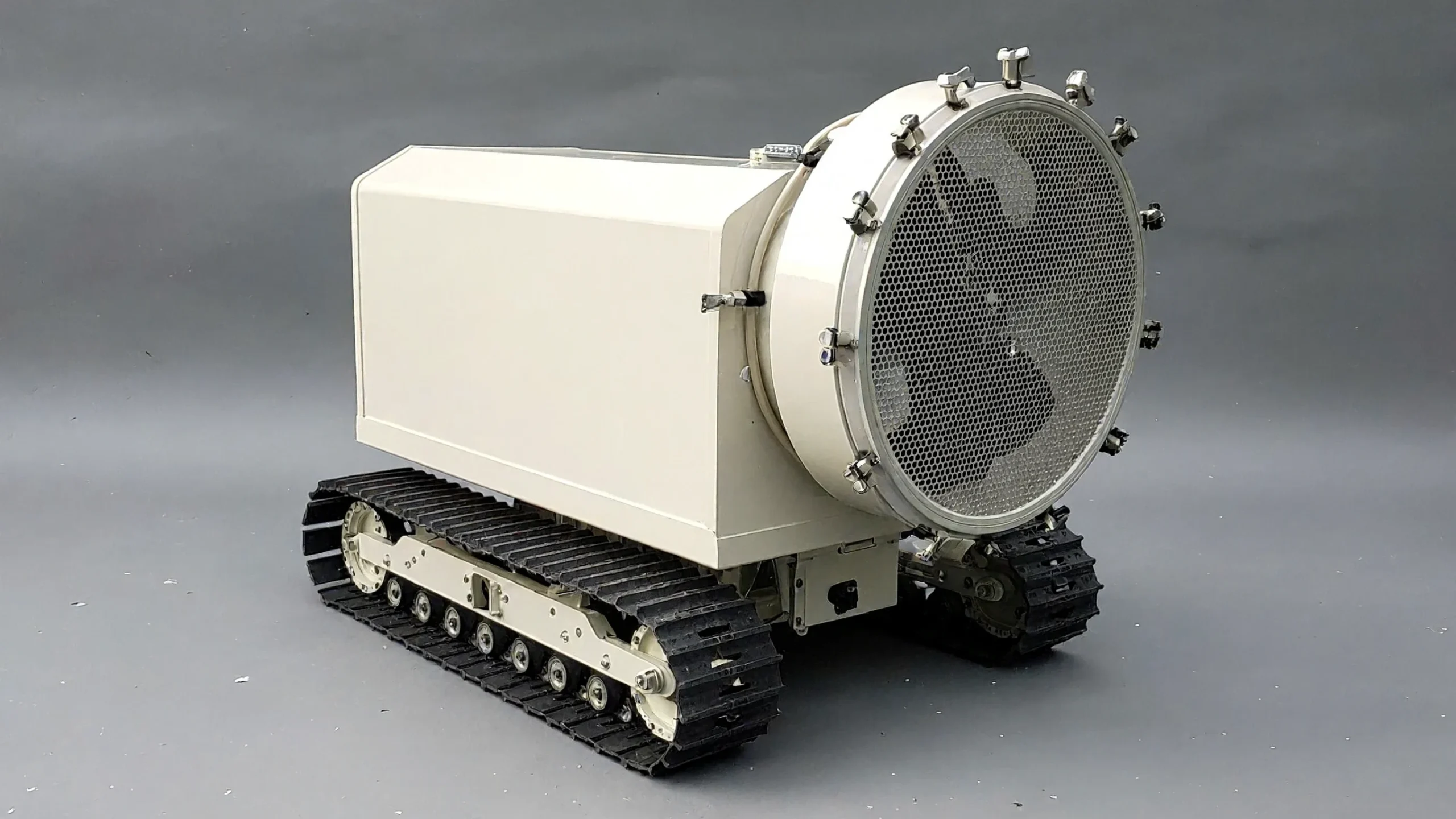
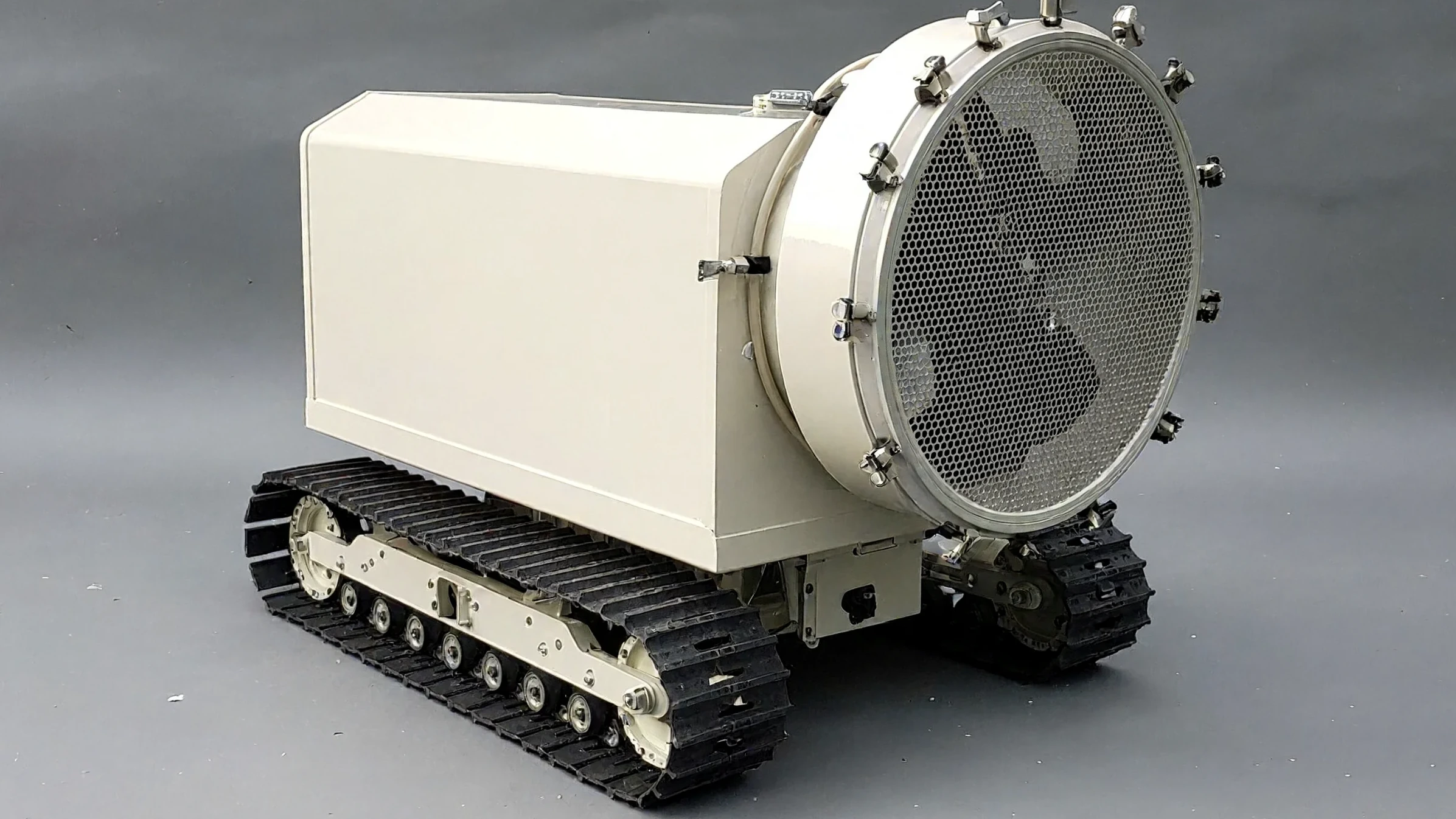
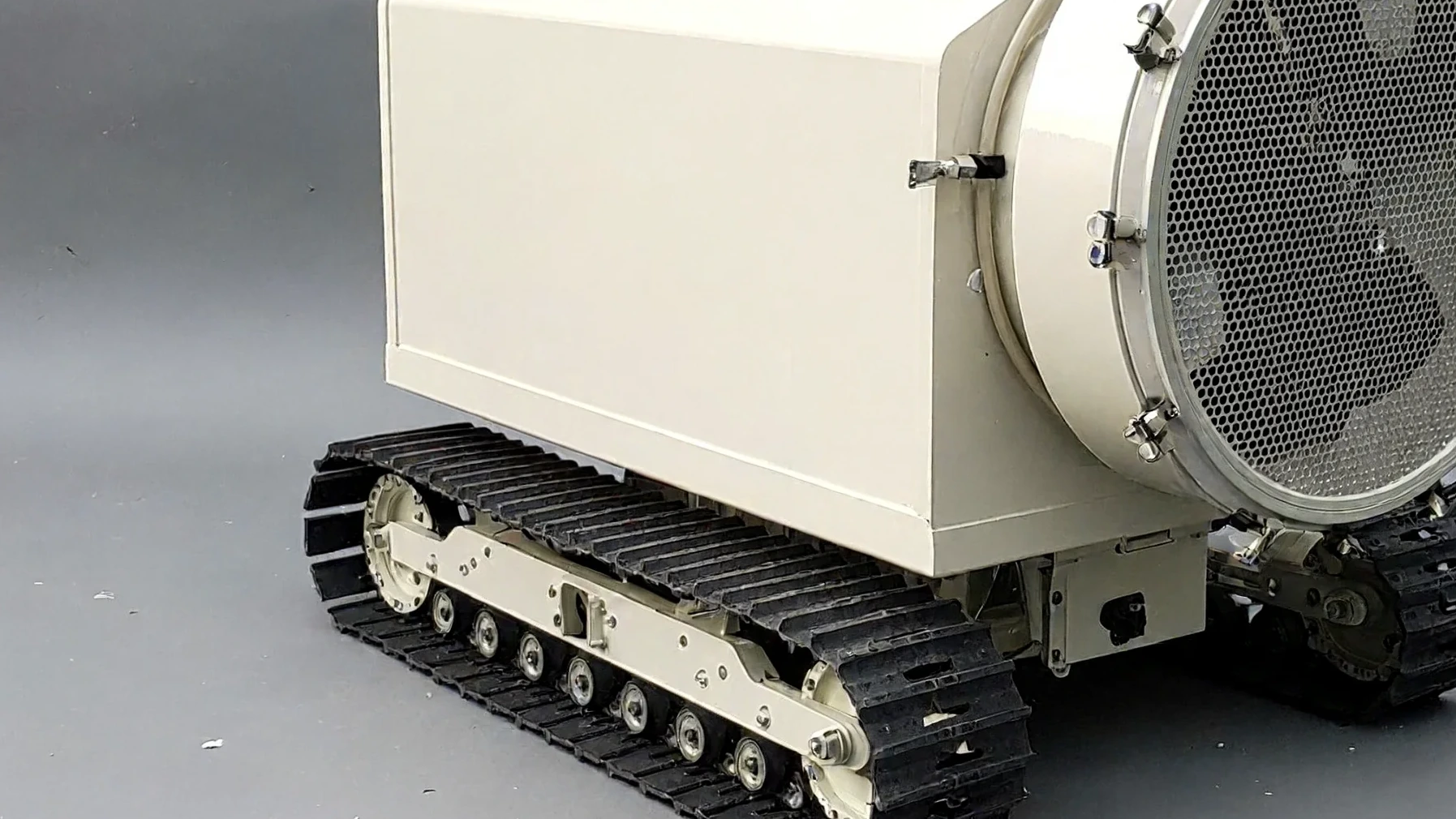
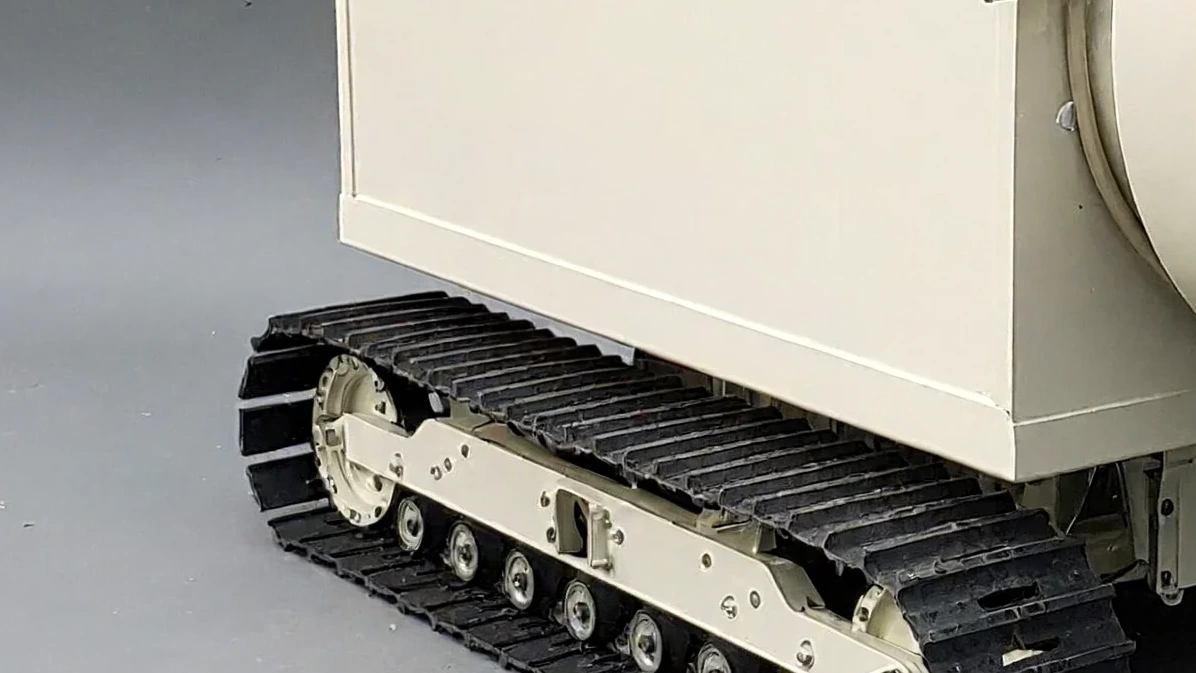
Remote Tracked Orchard Airblast Sprayer
SKU M11$6,890 per unit · FOB Qingdao
40% deposit, balance before shipment. Ocean freight, insurance, duty and destination charges excluded.
Volume discount
- Order over US$30,0003% offpay 97%
- Order over US$60,0005% offpay 95%
Discount eligibility depends on the products and order value. Final pricing is confirmed in your quotation.
- Power reference
- 5.4kW
- Working width / capacity
- 500L
- Dimensions (reference)
- 2625x1160x1150mm
- Weight reference
- 590kg
Remote Tracked Orchard Airblast Sprayer (SKU M11) — orchard and field work from LYVIK. Indicative unit price US$6,890, FOB Qingdao.
No online payment. Checkout creates a proforma-invoice order; we reply with bank details within one business day.
Overview
Remote Tracked Orchard Airblast Sprayer (SKU M11) belongs to our orchard and field work range, supplied by LYVIK. Built for orchard, plantation and field work where access, stability and repeatable passes matter.
Price is US$6,890 per unit, FOB Qingdao. Orders are confirmed by proforma invoice: 40% deposit to start production, balance before shipment. Ocean freight, insurance, import duty and destination charges are excluded. Volume discount: 3% at US$30,000 and 5% at US$60,000 of eligible order value.
Reference values: power reference: 5.4kW; working width / capacity: 500L; dimensions (reference): 2625x1160x1150mm; weight reference: 590kg.
Reference details and specifications on this page describe the base configuration. Final mount, hydraulics, width, engine, packing and certification are confirmed on the order-specific specification sheet before the proforma invoice is issued.
Product details
Product details
- Carrier / interface
- crawler
- Drive / hydraulics
- Loncin 5.4kW drive + 8.1kW spray; 1-2 MPa; 12 nozzles
Reference basis. Final configuration is confirmed on the order-specific specification sheet.
Product specifications
Product specifications
| Power reference | 5.4kW |
|---|---|
| Working width / capacity | 500L |
| Dimensions (reference) | 2625x1160x1150mm |
| Weight reference | 590kg |
| Hydraulic pressure | 1-2 MPa |
Reference values for the base configuration. Mount, hydraulics, width, engine and packing are confirmed before the proforma invoice is issued.
Selection guide
Choosing, specifying and ordering Remote Tracked Orchard Airblast Sprayer
Plan the work and the order
Build an orchard brief
Note the work schedule and the route from storage to each block. Give each block an identifier so that site photographs, measurements and supplier questions can be matched to the correct area.
The listing describes M11 as a remote tracked orchard sprayer. The planning name and scene image are not evidence of the delivered configuration.
Measure the complete route
Measure entry gates, narrow rows, turning areas, overhead restrictions and access to the filling and cleaning locations. Record obstructions such as posts, branches and irrigation lines. Ask for the operating and transport dimensions of the complete proposed configuration and the reference points used.
Compare those documented dimensions with the route to, within and away from the orchard. If the supplier has not provided a measurement for an accessory or configuration, leave it as an open question rather than assuming that a base-unit value applies.
Include the route from storage to the first block, between blocks and back to the receiving or cleaning point. Mark crossings and other farm activity that the site team needs to coordinate.
Describe canopy and ground conditions
Record the canopy height, density and spacing relevant to the intended treatment, together with the surface, slopes and seasonal changes in ground conditions. If several blocks differ, describe them separately instead of using a single average orchard.
Ask the supplier which documented information and operating instructions are relevant to each block. The planning label does not establish ground suitability, coverage or a permitted operating slope. The responsible operator must assess the actual site against the equipment instructions and applicable local requirements.
Plan material-handling locations
Mark intended material-handling and storage locations on the site brief, together with access routes and any site restrictions. If a tank or spray system is proposed, request its written instructions before deciding whether the arrangement fits the workflow.
Handling, cleaning, storage and disposal depend on the materials used and the requirements at the destination. Follow the applicable labels, equipment instructions and local rules.
Organize a brief for different orchard blocks
Give each block a reference that the buyer, supplier and responsible operator can use consistently. Record the crop and the information available about row layout, canopy and access. Note which photographs are recent and which measurements are still estimates. Where the orchard has young and mature blocks or different planting layouts, keep those descriptions separate.
A single average dimension may hide a restriction at a gate, turn or individual row. Ask the supplier which information is needed to evaluate the exact proposed configuration against each block. The buyer’s site brief is a purchasing input and does not establish machine suitability or a treatment plan.
Prepare a task brief without inventing settings
Describe the intended application at the level needed for a supplier to identify the relevant documentation: the crop, destination, responsible contact and the materials the buyer is authorised to discuss. If the work varies by block or by season, identify those differences in the request and ask what information is required to assess the proposed equipment.
Application decisions must follow the applicable material label, local requirements and qualified professional advice. This planning page does not supply chemical rates, mixture instructions, spray settings or a treatment recommendation. No coverage or suitability claim is established for M11.
Include the documentation needed to assess the proposed spray arrangement, and keep the response with the exact equipment configuration.
Plan locations for preparation and handover
The site brief can identify where the responsible team expects to prepare, receive and store equipment and materials, and how the equipment reaches each location. Include available access and the name of the person responsible for resolving site questions. If the project spans several blocks, show which locations serve each block.
For a multi-block project, identify the equipment handover point for each crew and whether a separately quoted carrier or storage item is needed. Keep these logistical requirements separate from the supplier’s proposed sprayer configuration and confirm responsibility for each item in the order.
Coordinate equipment for other orchard tasks
An orchard buyer may also need separate equipment for pruning or moving materials, even though those tasks are distinct from spraying. Describe each task and its timing, and identify the quantity and destination for each requested item. G01 pruning shears and M12 material carrier are additional planning references that can be discussed in the same sourcing request.
These are separate equipment candidates, not a confirmed package or accessories for M11. Do not assume that a material carrier is appropriate for transporting any chemical product; the responsible team must follow the relevant labels and requirements.
Identify the proposed configuration
Request the exact machine identity, drive arrangement, controls and spray assembly proposed for the order. Ask for the current specification and operating instructions that apply to that configuration, including the revision and any conditions attached to published values.
If the supplier offers alternatives, request a separate itemised list for each. Do not assume a particular drive, tank, nozzle arrangement or control feature from a category name, search result or photograph.
Request the spray-system documents
Ask which components are included in the proposed package and which are optional. Request model-specific operating and maintenance information for the actual spray assembly and identify any installation or setup documents that are still pending.
Where a supplier provides an application value or coverage claim, ask how it was obtained, which configuration it applies to and what conditions limit its use. Do not transfer a value from a different machine or product into the M11 specification.
The University of Georgia’s orchard sprayer guide discusses both air volume and air velocity as factors in spray coverage. If a supplier provides either measurement, ask which complete spray configuration and test conditions it describes.
Review remote-control information
If remote operation is proposed for the orchard route, ask whether a controller is included and request its documented visibility, range, stop functions and lost-signal response. Use the remote-control document checklist to compare the instructions.
Describe the intended operator location and any obstructions in the orchard brief. Do not assume unattended operation, a particular safety feature or a safe distance. Training, demonstrations and their terms are separate questions for the supplier and remain pending.
Compare the spray assembly as a complete offer
Ask the supplier to list the proposed spray-related components and their model or revision, as well as the components included in the price and those offered separately. If a supplier proposes a fan, tank, pump or nozzle arrangement, request its applicable description and documents for that exact configuration rather than assuming a particular assembly from the listing.
Compare alternatives against the same orchard brief. Ask which instructions, maintenance information and identification details accompany each proposal. The existence of an industry term or an illustration is not evidence that M11 includes a particular component, capacity or adjustment.
Understand the conditions behind a coverage statement
If a supplier provides information about distribution or coverage, ask what equipment configuration, test conditions and measurement basis the statement describes. Keep the response with the model revision and the orchard requirements it was intended to address. Identify any relevant conditions that the supplier has not addressed, instead of treating an unqualified headline claim as proof.
The University of Georgia discusses airflow as one factor in orchard spray coverage; its general guidance does not verify this planning reference. The buyer and responsible adviser must assess the actual application using the applicable material label, equipment instructions and local requirements.
Identify the information needed for material compatibility
Where the buyer needs to evaluate equipment materials or components for a proposed application, ask the responsible qualified adviser and the supplier what information is required. Provide only the product and destination information the buyer is authorised to share. Ask which manufacturer documents address the exact proposed equipment and its intended use.
Do not infer compatibility from the color of a tank, a generic photograph or a specification from another sprayer. Handling, storage, cleaning and disposal are subject to the applicable labels, equipment instructions and local requirements. The actual tank, seals, hoses and supplied components are not confirmed here.
Ask what operating records are actually provided
If the buyer needs a record for each block, identify the information its own process requires and who will maintain it. Ask the supplier whether the offered equipment produces any relevant information and request a description of its format and limitations. If a separate recordkeeping process is planned, identify the responsible team and any documents it needs.
A requested record is not evidence of a built-in feature. Positioning, connectivity, logging, software integration and any ongoing digital service remain unconfirmed for M11. Any legal recordkeeping obligations should be checked by the buyer with the appropriate local authority or qualified adviser.
If integration with an existing system is required, describe that system and request written details of the offered data format and support responsibilities.
Plan the operator and site handover
Identify the people who will prepare the site, operate the proposed equipment and maintain its records. Ask whether the supplier offers instruction for the exact machine and any proposed application equipment, which language the instructions use, and whether a demonstration or training is included in the quote.
Keep the applicable operating instructions and site brief together for each orchard block. Before work is planned, the responsible buyer should establish who checks access, nearby activity and the conditions described in those instructions. The machine, application equipment and documented operating limits must first be confirmed.
For requested training, identify the destination, intended audience and desired scope. Ask the supplier to identify document revisions and quote any instruction separately.
Identify destination-specific requirements
Tell the supplier the intended destination and the application material and equipment being considered. Ask which product documents they can provide for that configuration, including instructions for operation, cleaning and maintenance where applicable. Do not assume that a general catalogue establishes local approval or suitability.
The buyer should check applicable local requirements with the appropriate authorities or qualified advisers, including any requirements associated with the proposed material and its handling. Identify unanswered documentation questions before comparing offers.
Plan transport and receiving
Request transport dimensions, weight, packing and loading instructions for the complete proposed package. Identify any items that travel separately and compare the shipment with the buyer’s vehicle, unloading equipment and storage access.
Confirm packaging and unloading responsibilities in the written proposal.
Plan parts and maintenance information
Ask the supplier how replacement components are identified for the proposed machine and spray assembly, and which maintenance documents can be supplied. If the buyer requests an initial parts package, list the items and quantities separately and ask for prices and availability. Keep any proposed parts tied to the exact equipment revision.
Do not assume that components are interchangeable across different sprayers or that a service interval from another manufacturer applies to M11.
Specify the required document language and ask who would provide any requested training, warranty response and destination service.
Compare complete proposals on one basis
Send suppliers the same orchard brief, requested quantities, destination and desired schedule. Ask each to identify the machine, proposed spray assembly, controls, documents, optional equipment, price and exclusions. Where a supplier offers more than one configuration, request a separate line or quotation for each alternative.
For B2B orders the buyer pays freight, arranges customs clearance and pays import duties by default unless otherwise agreed. Ask for packaging and collection information relevant to the actual proposal. Price, production timing, destination serviceability and the final transaction method must be confirmed for the order.
Record which configuration, application, documentation and support questions remain unanswered against each proposal.
Compare power arrangements in the complete offer
Different orchard sprayer listings can describe different power arrangements. For example, Air-O-Fan lists engine-drive and tractor-PTO orchard sprayers as separate product groups. Those listings do not establish the arrangement supplied with M11. Ask each supplier to identify the actual power source, any separately required equipment and the full scope used in its quotation.
If an offer requires equipment already owned, provide its exact identity and ask which connection and operating information the supplier needs for a written review. Compare the proposed scope and exclusions before comparing price. If the arrangement or required equipment is missing from an offer, leave that question open rather than treating another manufacturer’s format as the answer.
Keep changes and open questions traceable
If the orchard brief, destination or proposed equipment changes during discussion, identify the new revision and ask which earlier information is still applicable. Maintain a record of the buyer’s requirements, the supplier’s evidence for the exact configuration and the questions that have not yet been answered.
A comparison can be useful even before every value is available, provided missing information remains visibly open. Do not fill a gap with a competitor specification, a source discussing a different type of sprayer or an assumption derived from an image. The local enquiry preview does not create an order or confirm availability.
Check the proposed package at handover
If an order is later agreed, the receiving team can compare the delivered machine, spray assembly, controls, separately packed items and documents with the written order and packing list. Ask in advance how each item will be identified and who should be contacted if a document, component or agreed configuration appears to be missing.
The receiving check is not an approval to apply a material or operate equipment. The responsible team must review the applicable equipment instructions, material labels and local requirements. Assembly, training, demonstration and destination support are separate items unless the written agreement says otherwise.
Define the evidence requested for evaluation
If a buyer wants a demonstration or other evaluation before purchasing, describe the question the evaluation is intended to answer, the proposed location, the people responsible and the evidence the buyer expects to receive. Ask the supplier what can be offered, which exact machine and configuration would be involved, and which costs or site preparations are excluded.
Keep any results with the stated configuration and conditions. A demonstration is not promised by this preview and cannot replace the applicable material label, equipment instructions or advice from the responsible qualified professional. Do not carry an observation from another sprayer over as a specification or guarantee for M11.
When comparing a proposed demonstration, record the exact configuration and the conditions under which it was observed. University of Georgia orchard sprayer guidance recommends relating a demonstration to the intended orchard conditions. Ask which tree size, row layout and other conditions are documented, what differs from the buyer’s sites and what evidence the supplier can provide. Any demonstration, site permission and support remain subject to agreement; an observation is not an M11 specification or guarantee.
Used in these industries
Related products
-
SKU N23
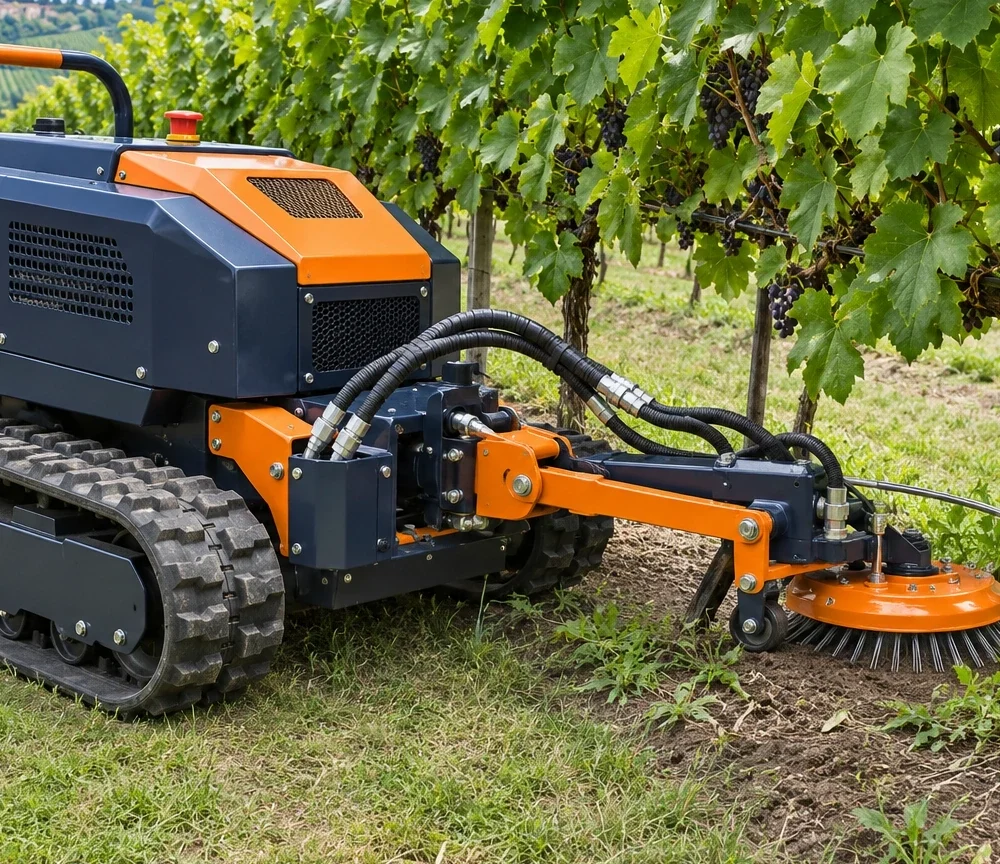
Orchard Under-Tree/Undervine Weeder
Agriculture and orchard equipment, Orchard and field work
$4,081per unit · FOB Qingdao Add to cart -
SKU N46
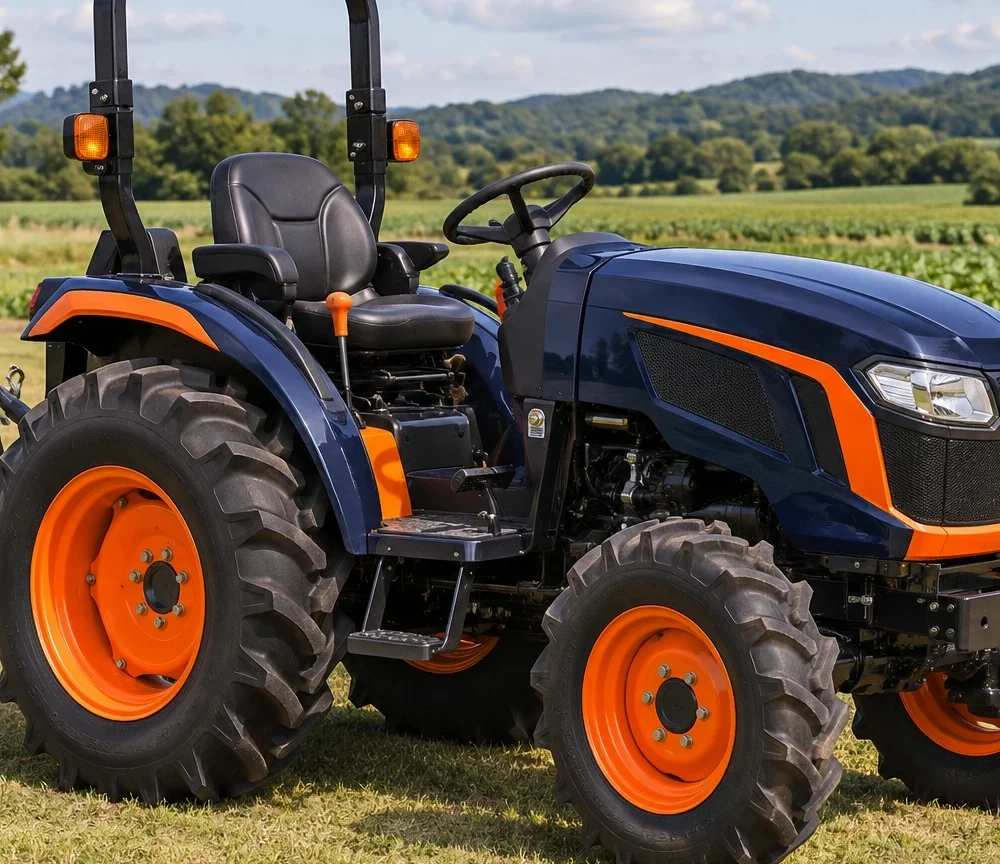
25HP 4WD Compact Tractor
Agriculture and orchard equipment, Tractors
$5,300per unit · FOB Qingdao Add to cart -
SKU N60
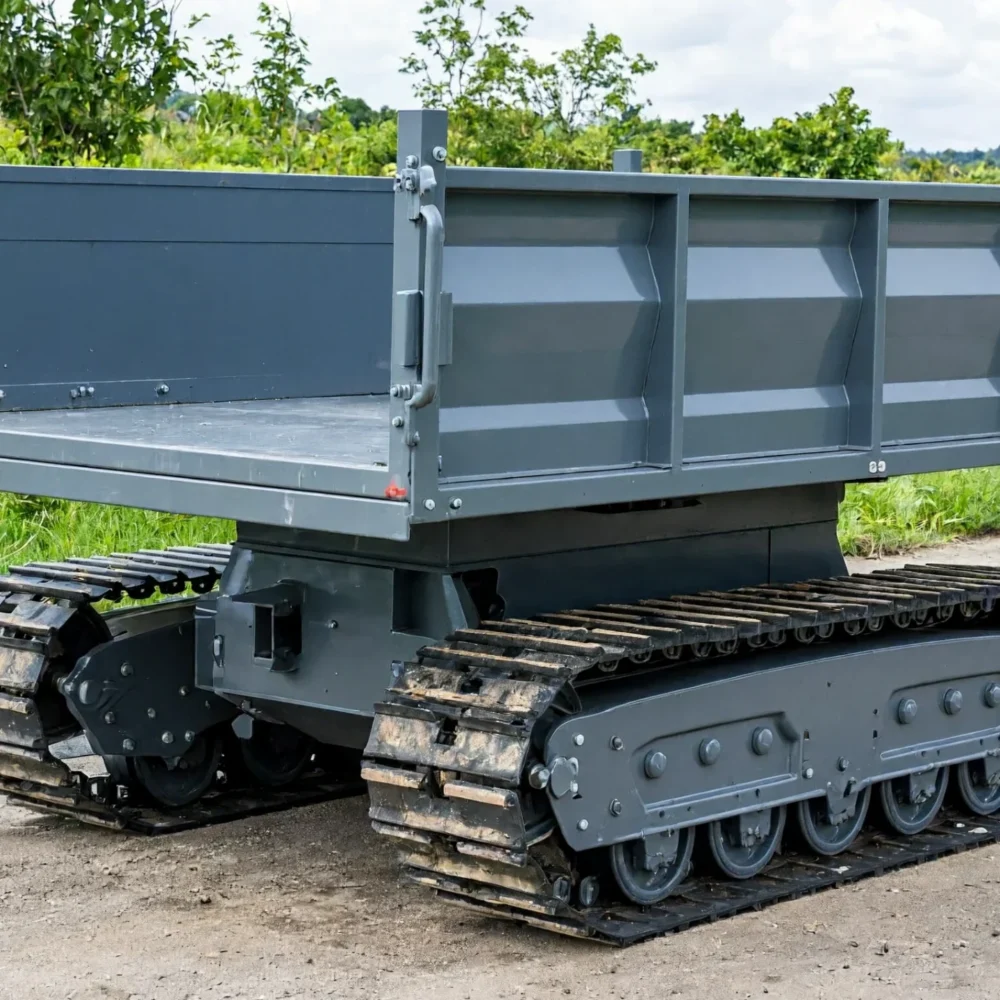
Oil Palm Transporter
Agriculture and orchard equipment, Oil palm equipment
$5,300per unit · FOB Qingdao Add to cart -
SKU N62
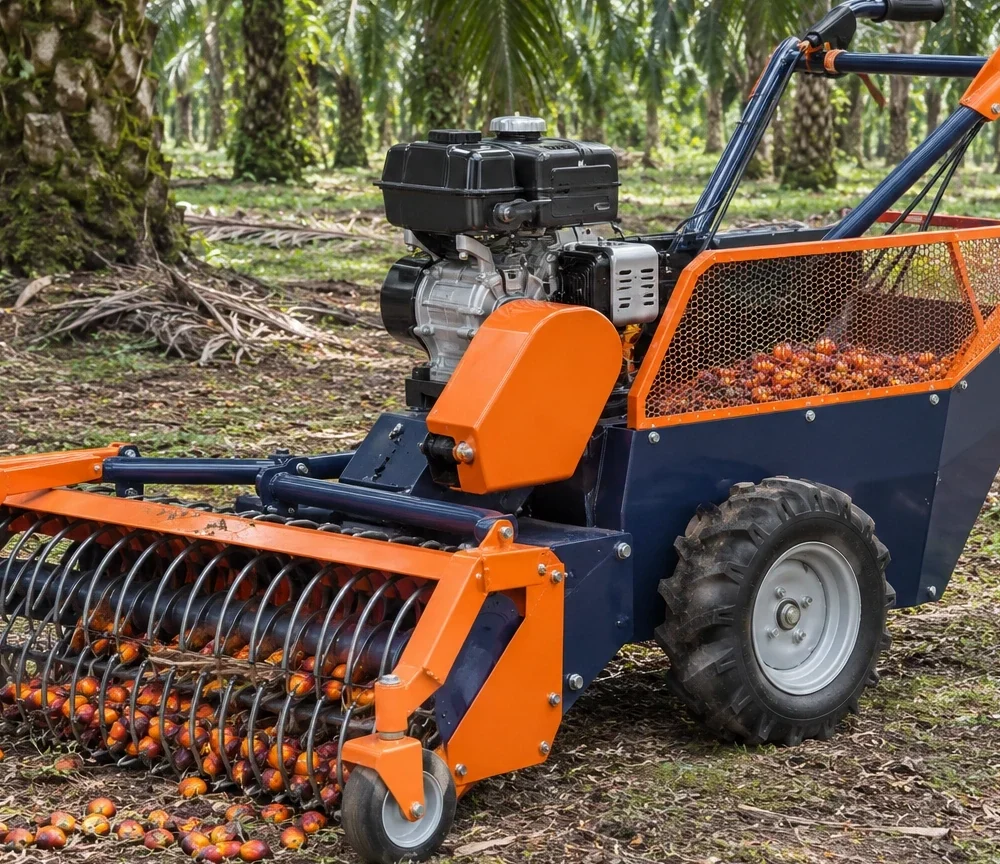
Oil Palm Loose Fruit Collector
Agriculture and orchard equipment, Oil palm equipment
$3,922per unit · FOB Qingdao Add to cart