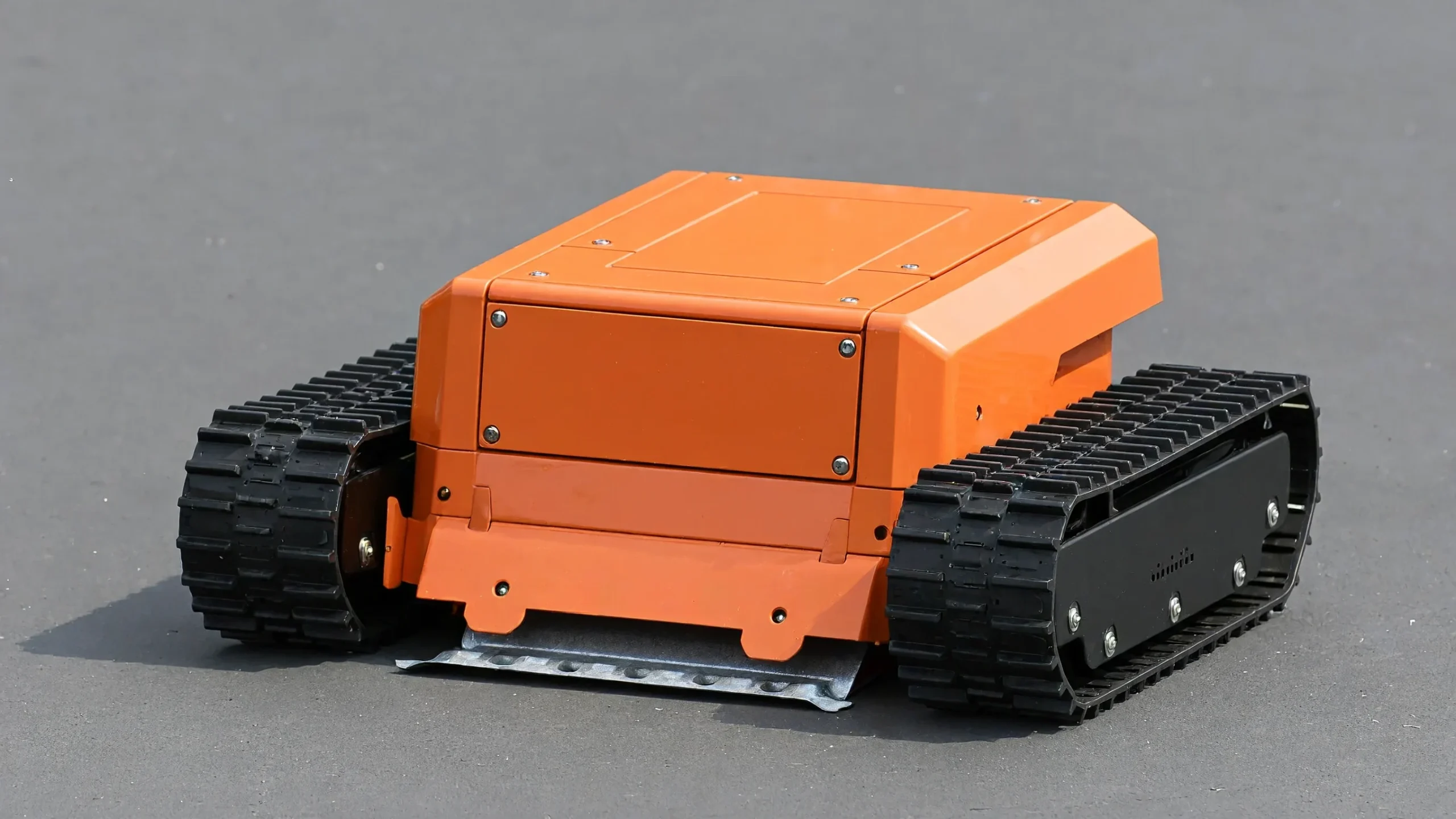
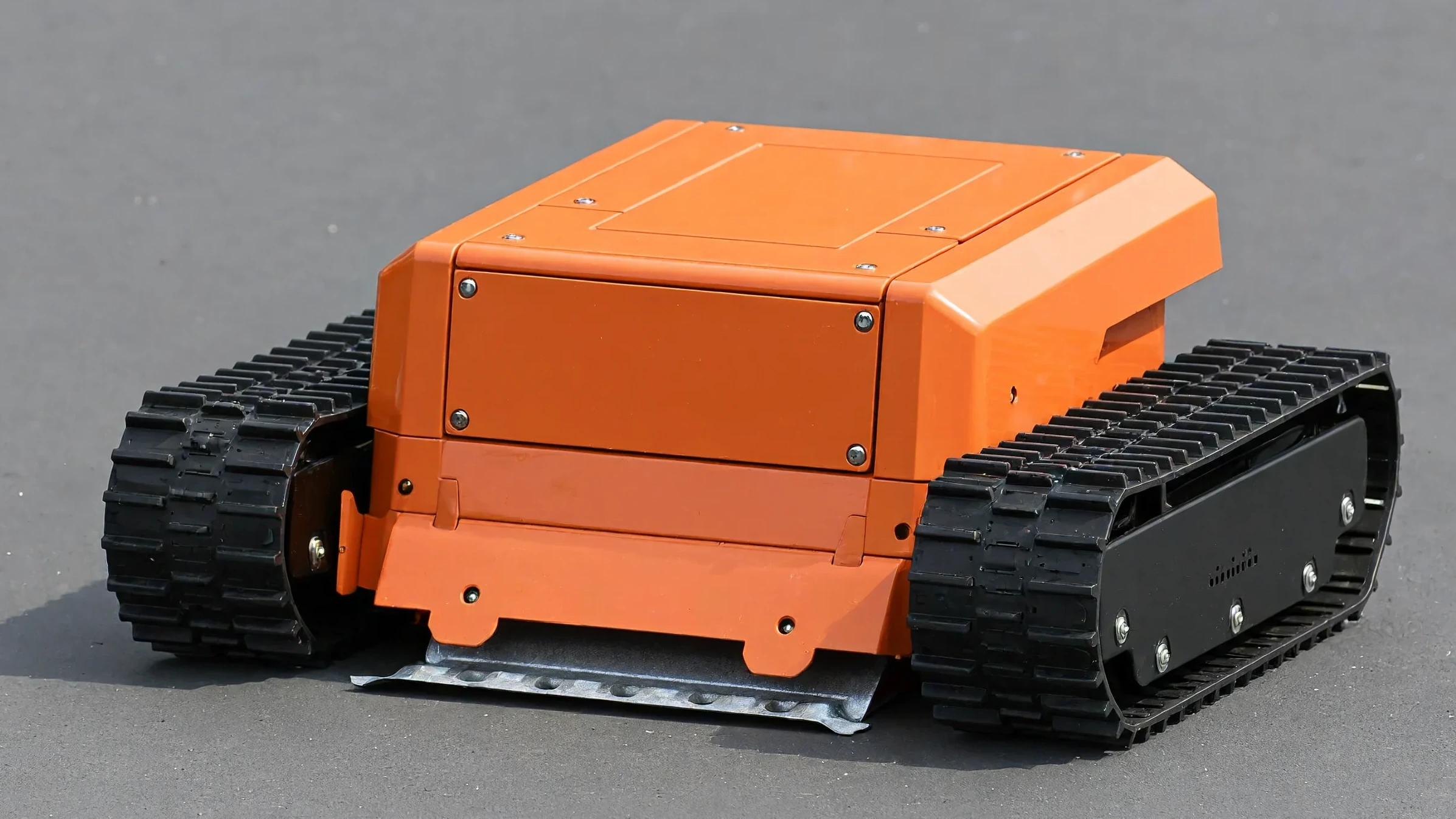
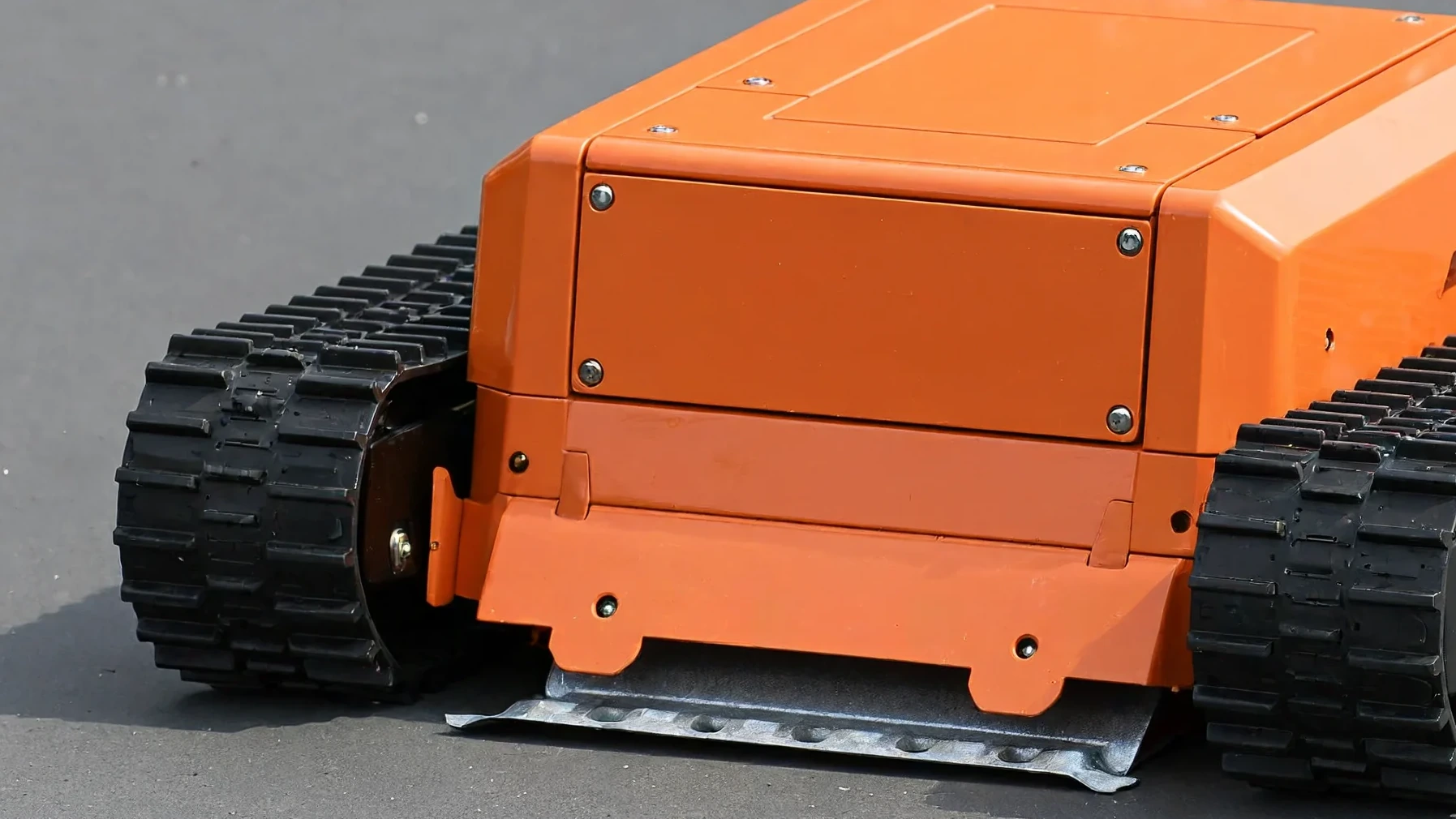
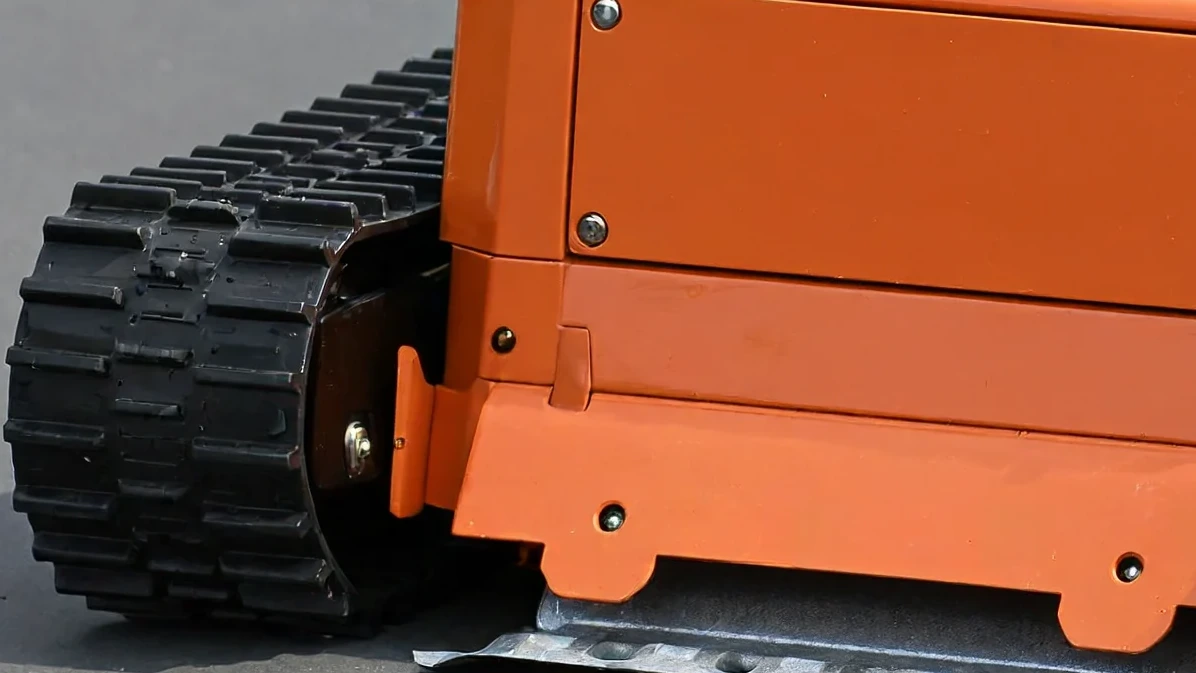
60cm Electric Remote Control Lawn Mower
SKU M09$4,372 per unit · FOB Qingdao
40% deposit, balance before shipment. Ocean freight, insurance, duty and destination charges excluded.
Volume discount
- Order over US$30,0003% offpay 97%
- Order over US$60,0005% offpay 95%
Discount eligibility depends on the products and order value. Final pricing is confirmed in your quotation.
- Working width / capacity
- 60deg, 50-150mm, 60cm
- Warranty reference
- 1 year
60cm Electric Remote Control Lawn Mower (SKU M09) — remote and specialist mowers from LYVIK. Indicative unit price US$4,372, FOB Qingdao.
No online payment. Checkout creates a proforma-invoice order; we reply with bank details within one business day.
Overview
60cm Electric Remote Control Lawn Mower (SKU M09) belongs to our remote and specialist mowers range, supplied by LYVIK. Built for commercial grounds maintenance, landscaping crews and vegetation control on slopes, verges and open ground.
Price is US$4,372 per unit, FOB Qingdao. Orders are confirmed by proforma invoice: 40% deposit to start production, balance before shipment. Ocean freight, insurance, import duty and destination charges are excluded. Volume discount: 3% at US$30,000 and 5% at US$60,000 of eligible order value.
Reference values: working width / capacity: 60deg, 50-150mm, 60cm; warranty reference: 1 year.
Reference details and specifications on this page describe the base configuration. Final mount, hydraulics, width, engine, packing and certification are confirmed on the order-specific specification sheet before the proforma invoice is issued.
Product details
Product details
- Carrier / interface
- remote crawler; no quick-attach
- Drive / hydraulics
- electric/self-propelled
Reference basis. Final configuration is confirmed on the order-specific specification sheet.
Product specifications
Product specifications
| Working width / capacity | 60deg, 50-150mm, 60cm |
|---|---|
| Warranty reference | 1 year |
Reference values for the base configuration. Mount, hydraulics, width, engine and packing are confirmed before the proforma invoice is issued.
Selection guide
Choosing, specifying and ordering 60cm Electric Remote Control Lawn Mower
Plan the work and the order
Build a site-by-site work brief
Mark entrances, obstacles, paths shared with people or vehicles and where the equipment will be stored. For a commercial buyer managing several properties, note the expected schedule and access restrictions for each one rather than relying on a single average site.
Use the same site identifiers in photographs, measurements and supplier questions. This helps a response about one property stay connected to the correct location.
Measure the route before comparing width
Measure the narrowest gate, passage, turn and storage opening from unloading to the work area. Ask the supplier for the overall operating and transport dimensions of the complete proposed configuration, including components that change its footprint.
A documented working width and the width needed to pass an obstacle answer different questions. Ask how each value was measured and which configuration it describes. The numerical term in this planning name is not a confirmed dimension, and a generic image cannot establish clearance.
Describe the work schedule
Record how often each area is maintained, how long a team can reasonably allocate and the arrangements for moving equipment between sites. Identify periods when site access is restricted or the work must be coordinated with other activity. These are buyer requirements, not claims about the machine.
Ask the supplier which documented operating information is relevant to the proposed schedule. Avoid converting a headline runtime or width into a promised daily output: the conditions, equipment and actual site must be understood first.
Describe the required finish and material handling
A property-maintenance brief can identify where a particular finished appearance is required and what the site owner expects to happen to cut material. If several properties have different requirements, record each separately along with the collection point and any other equipment the buyer expects to use.
Ask what information the supplier can provide for the offered working assembly and whether any proposed collection equipment is included or priced separately. Do not infer a collecting, mulching or discharge function from a competitor or a planning image.
Include height restrictions on the route
Measure any low clearance on the route between unloading, storage and the work area, and identify the location on the site sketch. Ask for the documented height of the complete offered equipment in the relevant transport and operating configurations, including components that may be fitted or carried separately.
Compare the same reference points and identify any information the supplier has not supplied. Height and width answer different access questions; neither alone establishes that the complete route is suitable. The responsible site team must assess the actual conditions and instructions.
Ask about seasonal and weather conditions
List the conditions expected across the intended sites, including wet ground, rainfall, heat and cold where relevant. Ask the supplier for the documented environmental operating and storage conditions for the complete proposed configuration, including any controller or power components. No weather resistance rating or temperature range is confirmed for M09.
If work cannot be performed under a stated condition, consider how that constraint affects the buyer’s maintenance schedule. Request the precise document and configuration behind any stated limit; a general claim about another mower, charger or controller cannot establish suitability for this candidate.
Confirm the actual power source
The listing describes the candidate as electric, but the actual power arrangement has not been confirmed. Ask for the power source, controls and current instructions for the exact proposed model, together with a list of all included components.
If a battery-powered configuration is offered, ask which battery and charger are included and whether alternatives are optional. If another power arrangement is proposed, request its corresponding operating and maintenance requirements. Do not infer the answer from the category or a photograph.
Compare runtime information carefully
Where a supplier provides a runtime, request the configuration, operating conditions and method behind the figure. Ask whether it refers to the battery and working setup included in the quotation. Record the work schedule separately so the supplier can explain what evidence is available for the intended application.
A runtime from a different model or an unspecified test is not a verified result for M09. If the conditions or included battery are unclear, keep the comparison open. No runtime, charging duration or performance value is confirmed on this planning page.
Mowrator lists different battery options and corresponding stated runtimes for one of its own mower configurations. That example shows why the battery and test conditions must accompany a comparison; it does not establish the power source, battery options or runtime of M09.
Read the battery information on the same basis
If a battery package is offered, ask for the battery identity, nominal voltage, charge capacity and stated energy, together with the document and conditions used for each value. Capacity may be shown in ampere-hours and energy in watt-hours. The US Department of Energy describes nameplate energy as the product of nameplate voltage and charge capacity; ask the supplier to explain any different basis used in its documents.
These figures describe a battery, not a guaranteed number of working hours or a cutting result. The supplied battery, its voltage and capacity are not yet known for M09. Record the exact battery and machine combination behind each proposal rather than attaching a competitor’s value to the LYVIK listing.
Compare the charging package, not only the battery
When charging equipment is proposed, ask which charger model, quantity, input requirements and accessories are included. If a supplier provides a charging time, request the battery and charger combination, starting and ending charge states, and any conditions stated with the figure. Compare the written information with the buyer’s available facilities at the intended location.
A battery capacity or charger label by itself does not establish the time needed for the complete package. Keep each offered alternative with its own instructions and price.
If the proposed package includes a battery, request its applicable transport classification and destination-specific shipping documents from the supplier. Record which components travel separately and who will arrange their carriage; the planning name does not establish the actual power source.
Estimate charging costs using a shared scenario
If a rechargeable configuration is offered, a purchasing team can compare expected electricity expense using the same fleet size, working schedule and local electricity rate for every offer. Ask whether measured charging energy is available for the stated machine and battery combination. Keep a measured value separate from a charger rating or an estimate, and record the conditions behind any figure.
A meaningful budget also identifies who pays for electricity at each operating location and whether the site has separate usage charges. The final cost will depend on the equipment, use and electricity arrangements; no M09 charging consumption or cost has been verified.
Plan charging or other support facilities
If the proposed configuration uses charging equipment, identify where it would be stored and used, and ask for the actual electrical and environmental requirements in the applicable instructions. Confirm the destination and any documentation needed to assess the proposed package.
For a multi-site buyer, record how the equipment and any supplied components will travel and where they will be kept between assignments. Battery type, charger, electrical requirements and component compatibility remain pending until the supplier confirms the exact offer.
Discuss replacement and end-of-service arrangements
For a battery-powered offer, ask how replacement packs would be identified against the exact equipment supplied, who would handle a replacement enquiry, and what information the buyer should retain with the original order. Request the applicable availability, lead time and price in writing when needed; no spare-parts availability or service commitment is implied by this planning page.
For commercial fleets, also ask who would coordinate the return, collection or end-of-service handling of a used pack, whether such a service is available at the destination and which costs belong to each party. The buyer and the relevant service provider should check local requirements for the actual battery and location. Record any agreed responsibilities alongside the quotation, rather than assuming that the original equipment price includes future collection or disposal.
Clarify a possible demonstration
If a buyer wants to see an offered configuration before ordering, ask whether a demonstration can be arranged, which machine and working equipment would be shown, where it would take place and whether any charge applies. Describe the representative site and the questions the buyer wants to resolve; availability is not assumed.
Agree who will record the outcome and which questions remain open after the demonstration. An observation at one property is not a specification or an assurance for another site. The buyer and responsible team must review the actual equipment information and applicable requirements for each intended property.
Request the control information
Describe where the responsible operator would need to stand and what parts of the work area may be obstructed. Ask which controller and accessories are included and request the instructions for the machine and controller together.
Where remote operation is offered, ask for documented visibility requirements, stated range, stop functions and the response to lost communication. The category name does not establish an unattended feature, a safe distance or the behavior of the exact candidate.
For sites with radio, connectivity or data-handling requirements, provide those requirements to the supplier and request the applicable documentation. Ask about potential interference at the intended site; networking, data transmission and a specific radio standard remain unconfirmed.
Compare the working configuration
Ask the supplier to identify the actual working assembly and provide its documented dimensions, operating limits and applicable conditions. Describe the vegetation and surface in the work brief, then ask what current evidence supports the proposed application.
Request a separate equipment list for each alternative. Do not assume a particular blade, adjustment, accessory or safety feature is present because it appears on a competing product or generic planning image.
Prepare the people who will use the equipment
Identify who will operate, supervise and maintain the proposed equipment at each property. Ask the supplier what initial instruction, documentation or demonstration is available for the exact configuration, in which language, and whether it is included in the quotation.
For a team that rotates between properties, prepare a handover that identifies the applicable machine instructions, the site contact and the person responsible for checking the planned work area. Ask which pre-use checks and operating restrictions are documented. Any training or site procedure must be assessed against the actual equipment instructions and applicable local requirements.
Review transport and storage
Request the transport weight and dimensions for the exact package, including any components that will travel with it. Compare the package with the buyer’s vehicle, loading equipment and storage entrance. Ask which handling or loading instructions accompany the proposed configuration.
If items travel separately, ask for their individual identification and packing information. Do not assume the scene image shows the actual product or its shipping arrangement.
Prepare a battery shipment brief if applicable
If the proposed package includes batteries, identify the destination, intended transport mode and the number of machines and spare packs in the enquiry. Ask the supplier to distinguish batteries installed in equipment, packed alongside it and supplied separately. Obtain the battery identity and the supporting transport information applicable to the actual package. These questions do not establish that M09 includes a battery or that any particular shipping classification applies.
The US Pipeline and Hazardous Materials Safety Administration publishes different guidance for lithium batteries according to their type and shipment configuration. That US guidance is a reference for the relevant route, not a universal shipping instruction. The shipper and chosen carrier should determine the requirements for the actual goods, route and transport mode. Ask for the resulting freight quotation separately; under
Reconcile equipment quantities in a fleet offer
For an order covering several crews, list the number of proposed machines separately from the number of batteries, chargers and any requested spares. For example, a buyer can ask for one quote showing the base equipment and another showing additional batteries; the example does not imply that M09 includes or accepts a battery.
For each line, ask which exact machine or power component it is intended to accompany and whether the item is included, optional or buyer-provided. Keep its model identity and written compatibility with the quote. This lets the purchasing team compare the total package without assuming that a low machine price includes the supporting equipment required by the brief.
Compare quotations on the same basis
Give each supplier the same site brief, quantity, destination and desired schedule. Request an itemised list of the machine, power components, controls, accessories and documents, with each item marked included, optional or pending.
Keep price, production timing, transaction method and the revision of the supporting documents with the corresponding configuration. A base price without the same equipment is not directly comparable to a complete package. The local planning page does not establish a live quote or confirmed sale channel.
Plan parts and document handover
Ask which operating and maintenance instructions, parts references and support arrangements can be supplied for the exact proposed model and destination. Identify the language required and who will receive and maintain the equipment.
For any proposed battery or replacement component, request written compatibility for the precise configuration rather than assuming interchangeability with another tool.
Close the outstanding questions
Before an order decision, compare the site brief, actual model identity, documented limits, included equipment and written proposal. Record which questions are answered and which remain open; an unanswered item should not be treated as either a supplied feature or a proven limitation.
Confirm named delivery terms and destination serviceability for the exact order. The standard B2B freight, clearance and duty responsibilities appear below; any different agreement must be stated in the order documents.
Build an order and production timeline
For a made-to-order enquiry, tell the supplier when the equipment is needed, where it is intended to arrive and whether the quantity will be delivered to one location or divided between sites. Separate the buyer’s target date from the supplier’s proposed completion date. If the work is seasonal, identify the first planned use and the latest useful arrival date, allowing the buyer to assess whether the proposal fits the actual schedule.
Ask what event starts the quoted production period and what must be agreed first: for example, final configuration, quantity, approved order documents or payment arrangements. Request the proposed production period and its assumptions in the written quotation. These are questions for the particular order, not a promise that all of these steps or any specific lead time apply to M09.
Keep production, collection, international transport, customs clearance and onward delivery as separate stages. Under Ask how changes to the destination, configuration or quantity would affect the proposal, and record any revised quotation alongside the original.
Before requesting a Rc lawn mower quotation
Rc lawn mower selection should start with the work, access and proposed configuration. Record the material or vegetation, the working area, the route and the expected result before comparing 60cm Electric Remote Control Lawn Mower. Ask for the model-specific specification, attachment list, transport dimensions, price validity, lead time and destination terms in writing. A category name, illustration or number in the listing name does not confirm suitability.
Used in these industries
Related products
-
SKU N27
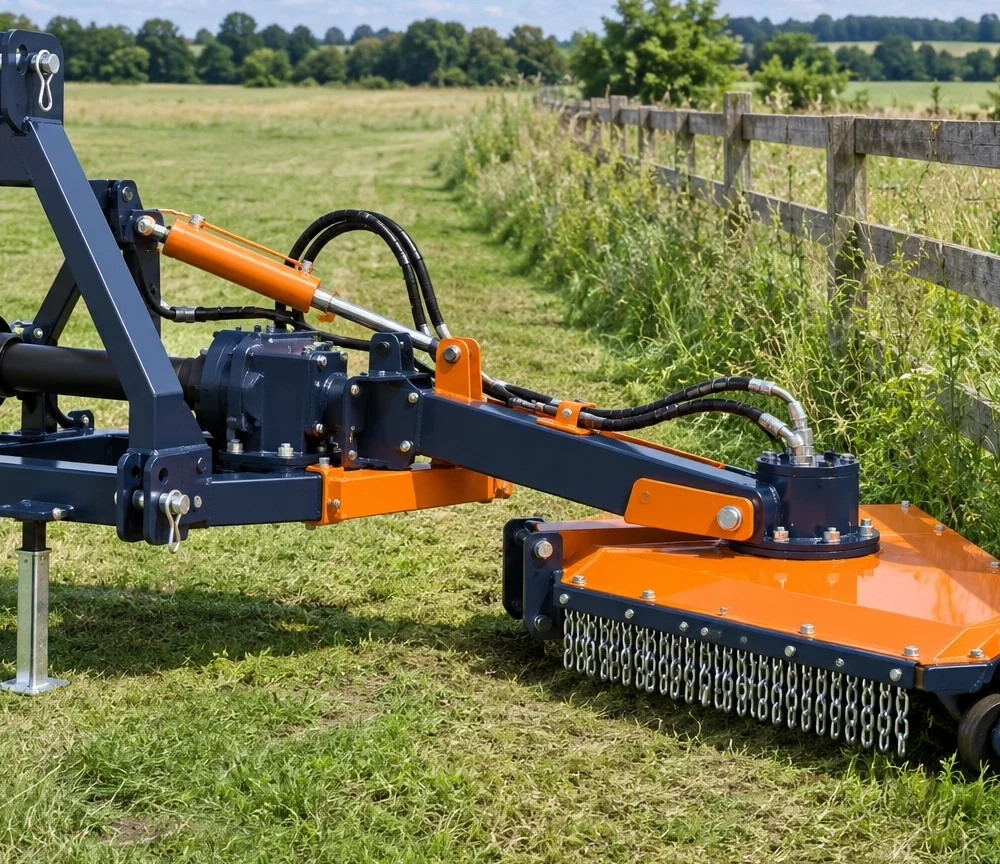
Fence-Line Brush Cutter
Grounds and landscape equipment, Weeding, trimming and cleanup machines
$5,299per unit · FOB Qingdao Add to cart -
SKU G04
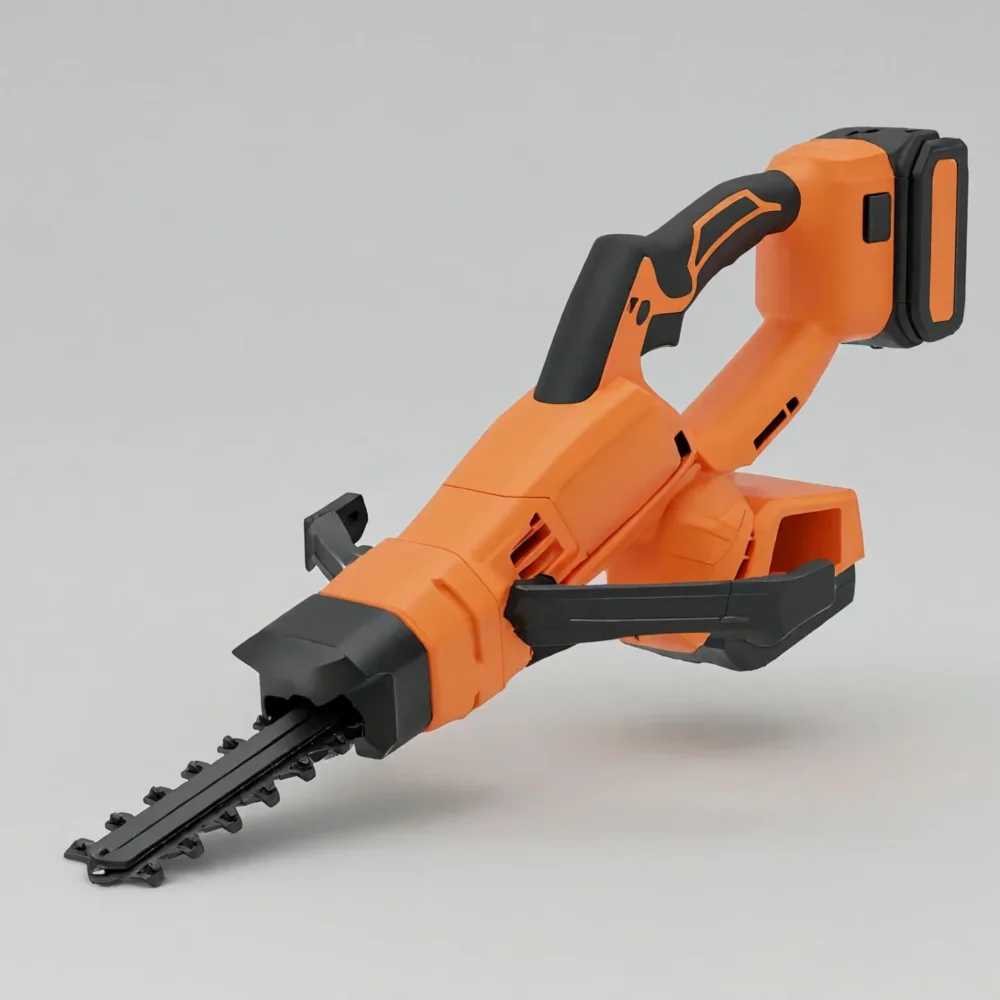
Hedge trimmer
Grounds and landscape equipment, Handheld hedge and grass trimmers
Price on requestquoted FOB Qingdao Read more -
SKU M16
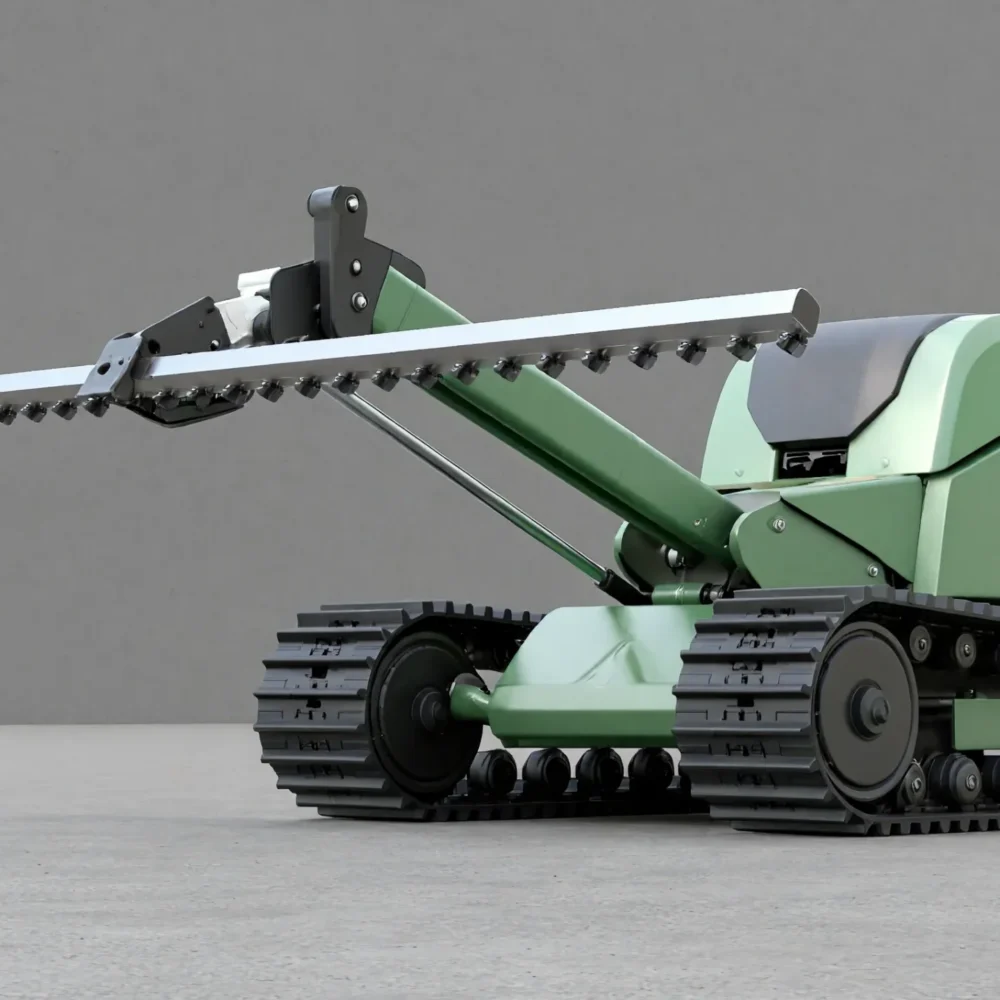
Remote Tracked Hedge Trimmer
Grounds and landscape equipment, Weeding, trimming and cleanup machines
$9,646per unit · FOB Qingdao Add to cart