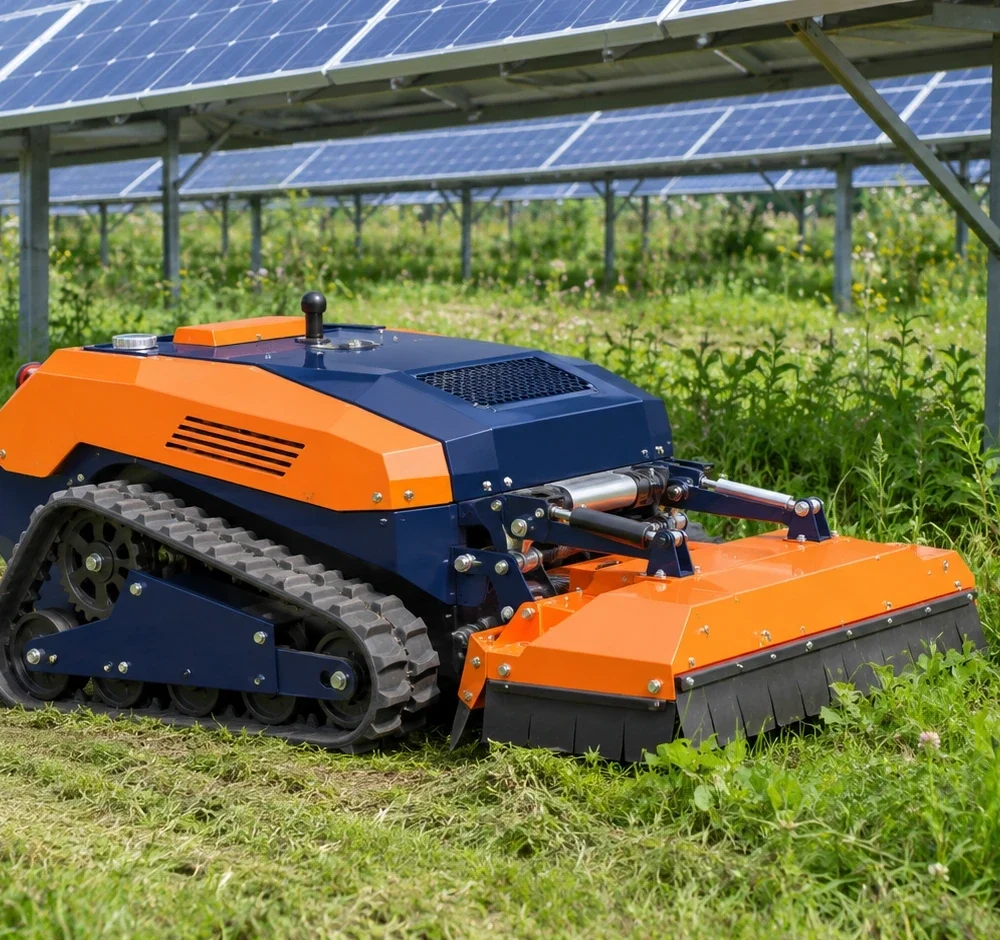
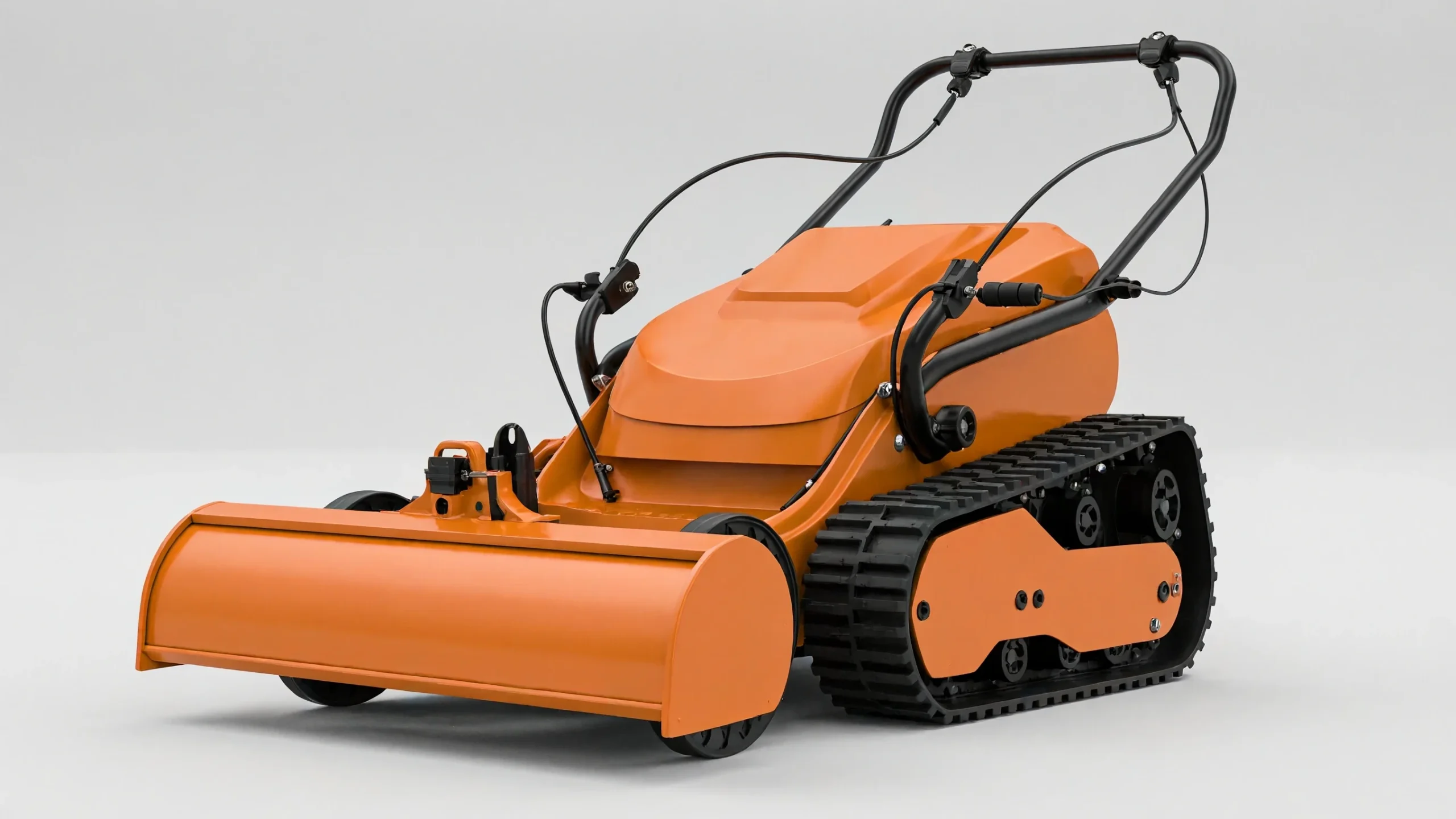
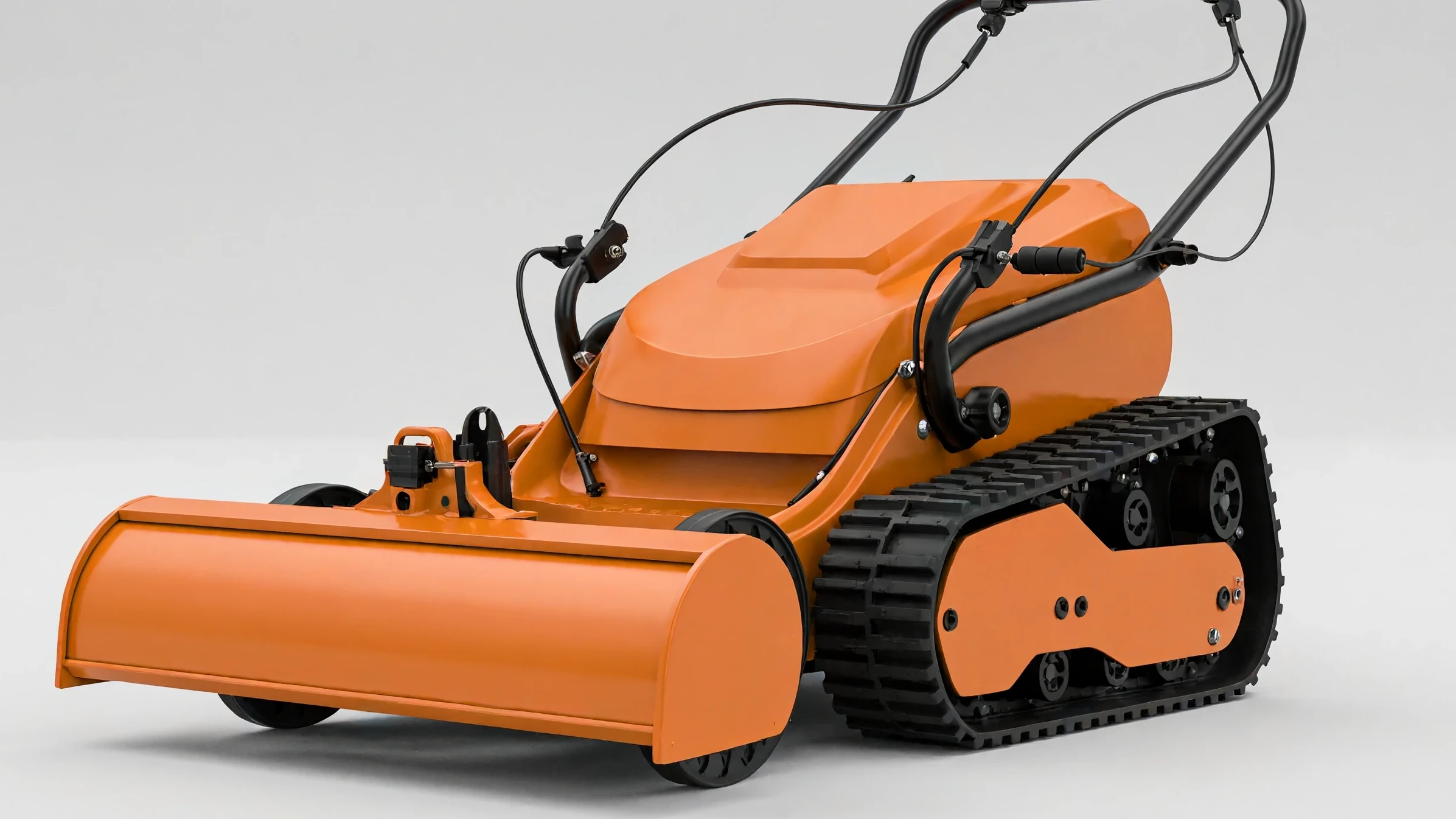
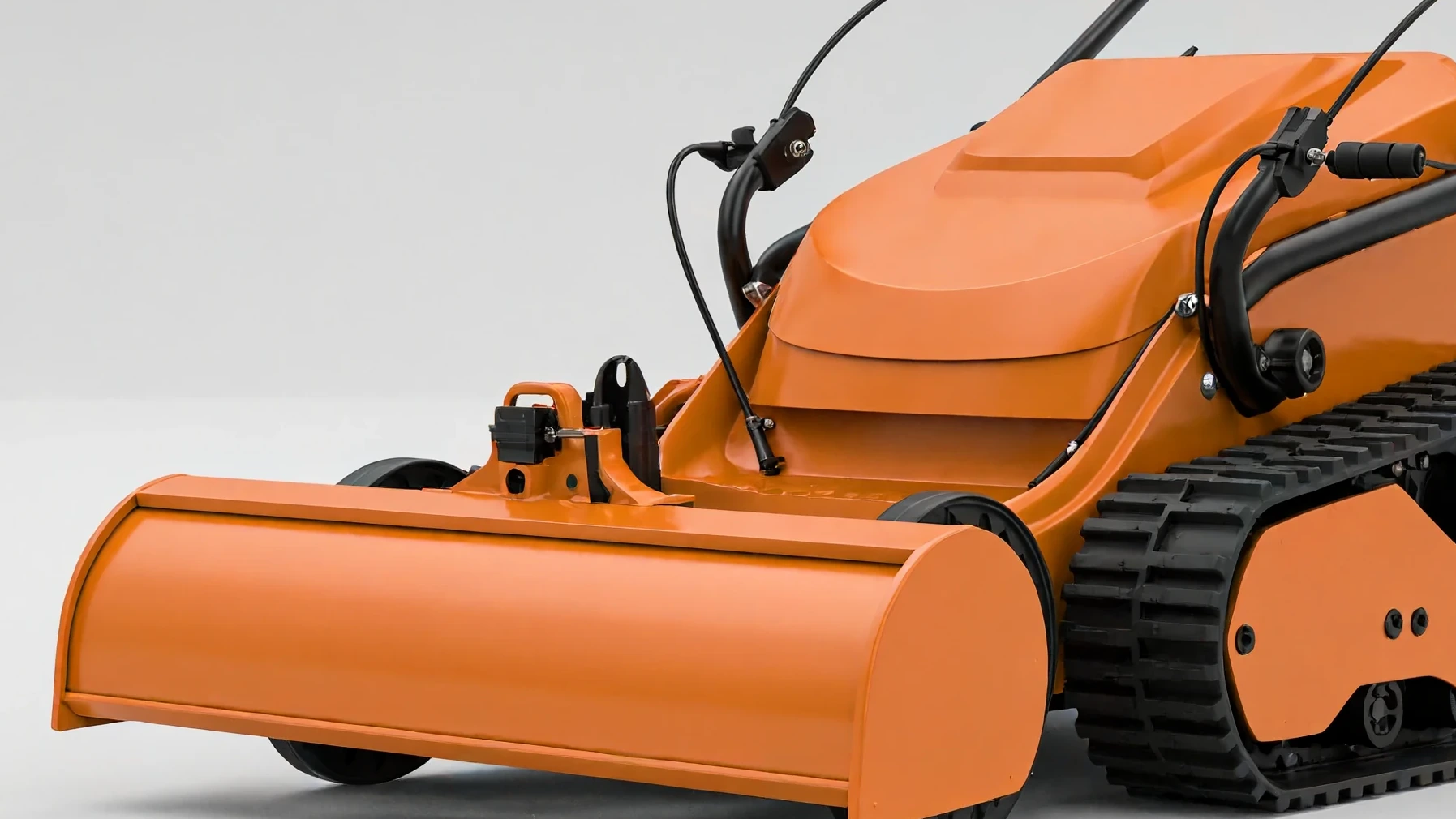
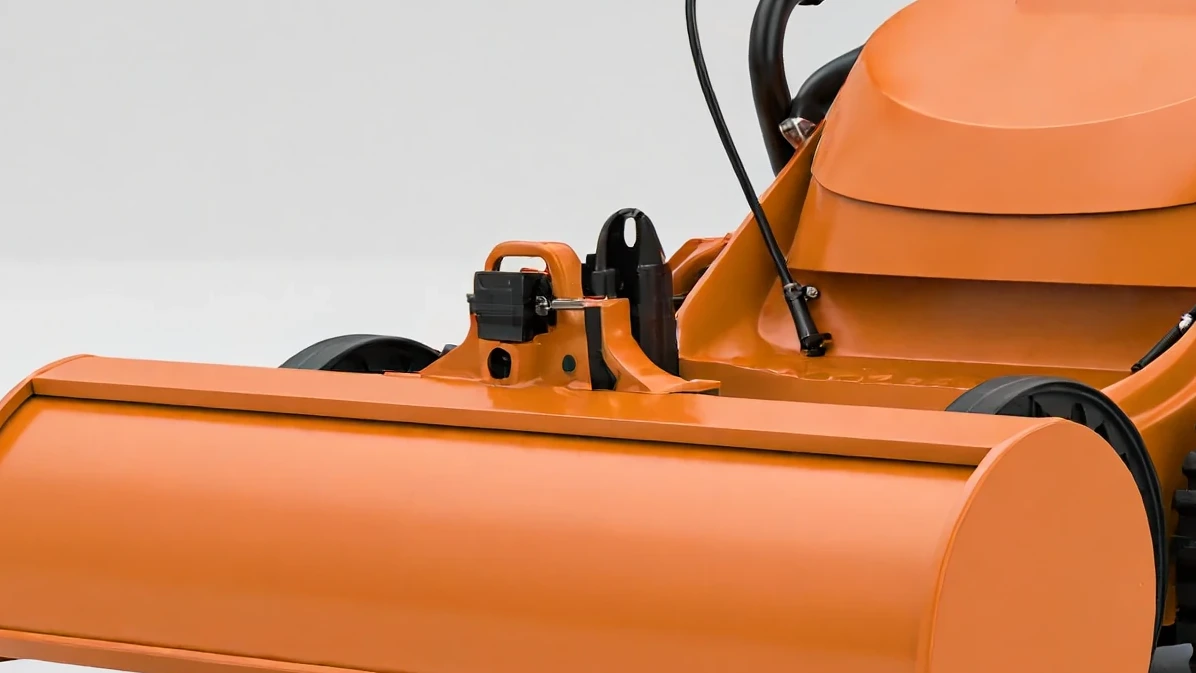
80cm Remote Control Slope Mower
SKU M08$2,862 per unit · FOB Qingdao
40% deposit, balance before shipment. Ocean freight, insurance, duty and destination charges excluded.
Volume discount
This model is not eligible for volume discount at the published price.
- Working width / capacity
- 800mm, 0-60deg
- Dimensions (reference)
- 1240x1170x660mm
- Weight reference
- 235kg
- Warranty reference
- 1 year
80cm Remote Control Slope Mower (SKU M08) — remote and specialist mowers from LYVIK. Indicative unit price US$2,862, FOB Qingdao.
No online payment. Checkout creates a proforma-invoice order; we reply with bank details within one business day.
Overview
80cm Remote Control Slope Mower (SKU M08) belongs to our remote and specialist mowers range, supplied by LYVIK. Built for commercial grounds maintenance, landscaping crews and vegetation control on slopes, verges and open ground.
Price is US$2,862 per unit, FOB Qingdao. Orders are confirmed by proforma invoice: 40% deposit to start production, balance before shipment. Ocean freight, insurance, import duty and destination charges are excluded. Volume discount: No volume discount at the published price.
Reference values: working width / capacity: 800mm, 0-60deg; dimensions (reference): 1240x1170x660mm; weight reference: 235kg; warranty reference: 1 year.
Reference details and specifications on this page describe the base configuration. Final mount, hydraulics, width, engine, packing and certification are confirmed on the order-specific specification sheet before the proforma invoice is issued.
Product details
Product details
- Carrier / interface
- remote crawler; no quick-attach plate
- Packing reference
- wooden case
Reference basis. Final configuration is confirmed on the order-specific specification sheet.
Product specifications
Product specifications
| Working width / capacity | 800mm, 0-60deg |
|---|---|
| Dimensions (reference) | 1240x1170x660mm |
| Weight reference | 235kg |
| Warranty reference | 1 year |
Reference values for the base configuration. Mount, hydraulics, width, engine and packing are confirmed before the proforma invoice is issued.
Selection guide
Choosing, specifying and ordering 80cm Remote Control Slope Mower
Plan the work and the order
Turn the site sketch into a briefing
Mark where the operator would need to see the work area and where other site activity may take place. Use the same identifiers in photographs and questions so that the response can be checked against the correct location.
If a contractor manages several properties, separate the most restrictive access route from the largest work area. The supplier can then identify which proposed configuration and documents address each part of the brief. Do not treat a response about one site as confirmation for every other property.
Separate machine width from the cut
Use the site route to identify the narrowest opening and ask for the complete machine’s documented overall width in the configuration being offered. Separately ask for the working width and the transport dimensions, including the measurement points and any fitted components. These figures answer different questions.
For an industry example, Scag describes a 52-inch cutting deck and lists a 70-inch tracking width for its own RC Extreme Slope Mower. Those are Scag’s terms for its machine, not M08 dimensions. Ask the supplier to define the complete overall and transport widths separately before comparing them with a gate; a tracking width alone does not establish the required clearance. The numerical term in the M08 planning name remains unverified.
Industry reference: Scag RC Extreme Slope Mower specifications; measurements are for that manufacturer’s equipment only.
Document the slope question
Record the measured slope, location and method, and distinguish the bank itself from the route used to enter and leave it. Ask the supplier for the exact model’s written instructions and the conditions behind any stated operating limit. Conditions in the document may matter as much as the headline value.
A slope figure needs a definition before it can be compared: ask whether it describes a static stability measurement or an operating limit, which configuration it covers, and what the instructions say about the surface and conditions. Raymo discusses this distinction in its own industry article. Its remarks do not establish an M08 limit, and neither a competitor’s claim nor this page determines a safe working method.
Do not compare values expressed in different units or taken under different conditions as if they were identical. If an instruction does not cover a site condition, record the gap for the supplier and responsible operator.
Describe the vegetation without guessing capacity
List the vegetation and the intended maintenance frequency, and identify areas where the material differs. Photographs can help explain the brief, but they do not prove what the machine can cut. Ask for the current instructions and documented material limits for the exact proposed working assembly.
If a supplier proposes options, request an itemised description and ask which documents apply to each one. Do not infer the presence of a particular blade, deck or working mechanism from a search result, another model or a generic image. Actual equipment and application suitability remain pending.
Check the operator’s line of sight
If remote operation is proposed, show on the site sketch where the responsible operator would need to stand and which parts of the work area may be obstructed by terrain, buildings or vegetation. Ask the supplier to identify the visibility requirements in the current instructions for the proposed configuration.
Where the instructions or site information are incomplete, record the issue before comparing candidates. Remote operation does not establish that an operator can work without a clear view, that a machine can recover itself, or that any particular site is safe. Applicable local requirements and the written instructions govern the actual work plan.
Describe the material after cutting
A contractor’s brief can include what the property owner expects to happen to cut vegetation: whether it should remain on the maintained area or be collected separately, and where any collected material would be received. Identify the relevant property requirements and the people or equipment responsible for each part of the work. These describe the proposed job, not an M08 function.
Ask what information is available for the exact offered working assembly and its documented use. If the contract requires a particular finish or collection arrangement, keep that requirement separate from any supplier description and ask who will assess the result. No collection system, discharge arrangement or finished appearance is confirmed for M08.
Example: document two different areas
A contractor can name two locations “Area A” and “Area B” and give each its own entrance, vegetation description, photographs and measurements. Area A might have the narrower gate while Area B has the more complex bank. The two records make it clear which constraint a supplier is answering; no numerical example is a rating for M08.
For each area, record where the information came from and when it was collected. If seasonal growth, rainfall or work by another contractor changes the site, update the brief and ask whether the earlier supplier response still applies. Keep unresolved site conditions visible rather than treating one response as approval for all areas.
Identify the proposed power arrangement
Ask the supplier to identify how the proposed machine is powered and which components are included in the quotation. If alternatives are offered, request a separate equipment list and operating information for each. The M08 planning reference does not confirm an engine, battery, charger, fuel type or hybrid system.
Power descriptions can refer to different arrangements. Scag describes its own RC Extreme Slope Mower as using batteries and an engine-driven alternator. This is an example of a specific competitor configuration, not evidence that M08 uses the same arrangement. Request the applicable documents for the equipment actually offered.
Plan the facilities for the quoted package
Once the supplier identifies the actual power arrangement, ask what facilities and consumables the buyer would need at the destination. If charging equipment is proposed, request the applicable electrical requirements and identify what is included or separately priced. If another power source is proposed, ask for the corresponding operating and maintenance information.
For a contractor working at several properties, record where the equipment and any supplied power components would be kept between assignments. Compare these buyer facilities with the written requirements for each alternative. Charging method, runtime, operating costs and support remain pending until the exact M08 configuration is confirmed.
Keep machine runtime and controller time separate
A supplier may publish a machine operating time, a controller battery time and a charging time for different parts of the package. Record each value in its own row, along with the configuration, units and stated conditions. Ask whether a figure describes the equipment included in the proposal and whether the document explains the test conditions.
Scag lists machine productivity and remote battery life as separate fields for its own RC Extreme Slope Mower. They do not establish either value for M08. A contractor can compare those definitions with the planned work window, but a stated time alone does not establish the output or suitability of the proposed equipment.
Ask how power components are supplied
If an offer proposes removable power components, ask which units are included, how each is identified and whether a spare is separately priced. If no such arrangement is offered, leave the question unanswered rather than treating it as a missing standard feature.
Raymo describes exchangeable power cartridges for its own machines. That example is useful for understanding why the equipment list matters; it does not mean M08 uses cartridges or offers interchangeable power systems.
Compare control-system documents
If remote operation is proposed, ask whether a controller is included and request the controller and machine instructions together. Ask for the stated operating range and its conditions, and what the documentation says about stop functions and lost communication for the exact configuration.
If spare controllers, charging equipment or other accessories are needed for a fleet, list them separately and ask whether each is included or optional.
Compare the working assembly as a complete package
When an offer identifies a cutting assembly, ask for the assembly name and document revision alongside the machine identity. Request the dimensions, adjustment information and parts identification that the supplier actually provides. If more than one assembly is offered, ask whether each proposal includes the same controls, accessories and instructions.
For a fleet buyer, a lower quoted equipment price may not answer whether the needed components, documentation and replacement parts are included. Compare the itemised packages on the same basis and leave missing details visible.
Define records needed by a fleet buyer
A buyer responsible for several properties may need to record operating hours, equipment identification or the work performed at each location. Identify which records are required, who will keep them and whether the buyer expects to use its existing system. These are buyer requirements and may be fulfilled by a separate process.
If a supplier offers digital information or integration, ask which data is available, how it is accessed and what support is included. Raymo describes fleet information for its own equipment; this is not an M08 feature claim.
Set the scope of a proposed demonstration
If a buyer wants a demonstration before placing an order, describe the particular site or representative work profile to be discussed and identify who will attend. Ask whether a demonstration is offered, what equipment and configuration it would use, who supplies the site and whether there is a separate charge. A demonstration is not assumed to be available.
Agree in advance what questions the buyer wants answered and how the parties will record observations and remaining gaps. The responsible team must assess the actual site, applicable instructions and local requirements; the planning page does not prescribe a trial or approve a working method.
Keep transport and operating configurations distinct
Ask for the machine’s transport weight and dimensions and identify whether the figures include the working assembly and accessories that will travel with it. Request the applicable loading and securing instructions, and compare the complete package with the buyer’s vehicle, loading equipment and storage entrance.
If equipment is shipped or transported in more than one piece, request an itemised description of each piece and its handling requirements. Do not add weights from unrelated documents or assume an illustrated transport arrangement is supplied.
Where the route passes beneath a fixed structure, record the lowest available clearance and its location in the site brief. Ask for the documented height of the complete offered machine in the relevant transport and operating configurations, including any fitted equipment. Compare the same reference points and leave unknown dimensions open. A machine-height figure alone does not establish that a route or working area is suitable.
Select the right work profile for a tender
A contractor bidding on a recurring maintenance contract may need to describe several work profiles, not just the total area. Separate regularly maintained turf from locations with infrequent access or different vegetation, and note which properties must be serviced within a specified window. Give the supplier the same work profiles when seeking alternatives.
Ask the supplier to identify which application information and maintenance documents apply to the proposed configuration. If the information addresses only one kind of vegetation or one set of conditions, record the other profiles as open questions. The listing does not establish a production rate, cutting capacity or suitability for a tender.
Plan a dealer or importer enquiry
A dealer may need information for both the first order and later customer support. Describe the intended destination, expected order quantities and the product information needed for customer enquiries. Ask whether technical documents, parts identification, warranty handling and product training can be offered for that market, and in which language.
For a proposed repeat order, request clarification of how model revisions and replacement components will be identified over time. Do not treat a draft specification or an illustrated configuration as a supply commitment. Distribution arrangements, support coverage and future availability are all subject to written confirmation.
Compare operating-cost assumptions
A contractor comparing offers can choose an anticipated ownership period and its own expected hours of use as planning assumptions. Alongside each quoted package, list the items relevant to the identified power arrangement, any separately priced spares and the buyer’s own estimates for maintenance labour. Leave unknown costs blank and keep estimates clearly separate from supplier quotations.
Ask which operating and maintenance information applies to each exact configuration, and whether the supplier can quote the parts the buyer wishes to include in the comparison. A different machine’s runtime, service interval or energy consumption does not establish M08 costs.
Prepare destination-specific documentation questions
Identify the country and intended commercial use before asking which product documentation is required. An importer can ask its qualified local adviser which evidence and language requirements apply, then request documentation for the exact proposed model and configuration from the supplier.
List each requested document separately and record its issuing party, model reference and revision. Do not assume that an illustration, a statement for another model or a document for a different destination establishes compliance.
Review the quotation line by line
Compare each offer using rows for the machine, working assembly, controller, accessories, manuals, packaging and destination support. Mark each item included, separately priced or pending. If similarly named offers contain different components, request a separate list and price for each configuration.
Keep the quantity, quotation date, currency, validity, production timing, transaction method and named delivery term with the exact model identification and document revision.
Plan the document handover
Identify who will receive and maintain the equipment. Ask which instructions and parts information accompany the shipment, and whether training or a demonstration is offered. Keep missing documents or services as open items in the final offer.
Prepare for replacement parts
Ask how the supplier identifies model-specific wear parts and replacement components, and what information is needed when placing a later order. Request the relevant parts references and the availability of support for the proposed destination; do not assume components from another machine are interchangeable.
If the buyer manages several machines, keep each unit’s identification, configuration and document revision together. Clarify warranty coverage and who would provide service before deciding. Availability, response arrangements and terms remain pending until confirmed in writing.
Compare the cost responsibilities
Ask the supplier to state the named delivery terms and what is included in the quoted price. The buyer can then obtain relevant estimates from its own freight and clearance providers using the default responsibilities described below.
Record the shipment dimensions, weight, destination and unloading arrangements used for those estimates, and update them if the proposed package changes. Any different delivery agreement, actual serviceability and charges need confirmation for the specific order.
Agree how the delivery will be checked
Before placing an order, ask how the delivered package will be compared with the final itemised offer. The receiving record can identify the package count, visible condition, equipment identification and accompanying paperwork, while leaving any unresolved discrepancy open for the supplier to address.
Ask the parties to agree in writing on who receives and unloads the equipment, which documents are expected, how discrepancies are reported and what response process applies.
Used in these industries
Related products
-
SKU N22
Low-Profile Solar Farm Mower
Grounds and landscape equipment, Remote and specialist mowers
Price on requestquoted FOB Qingdao Read more -
SKU G03
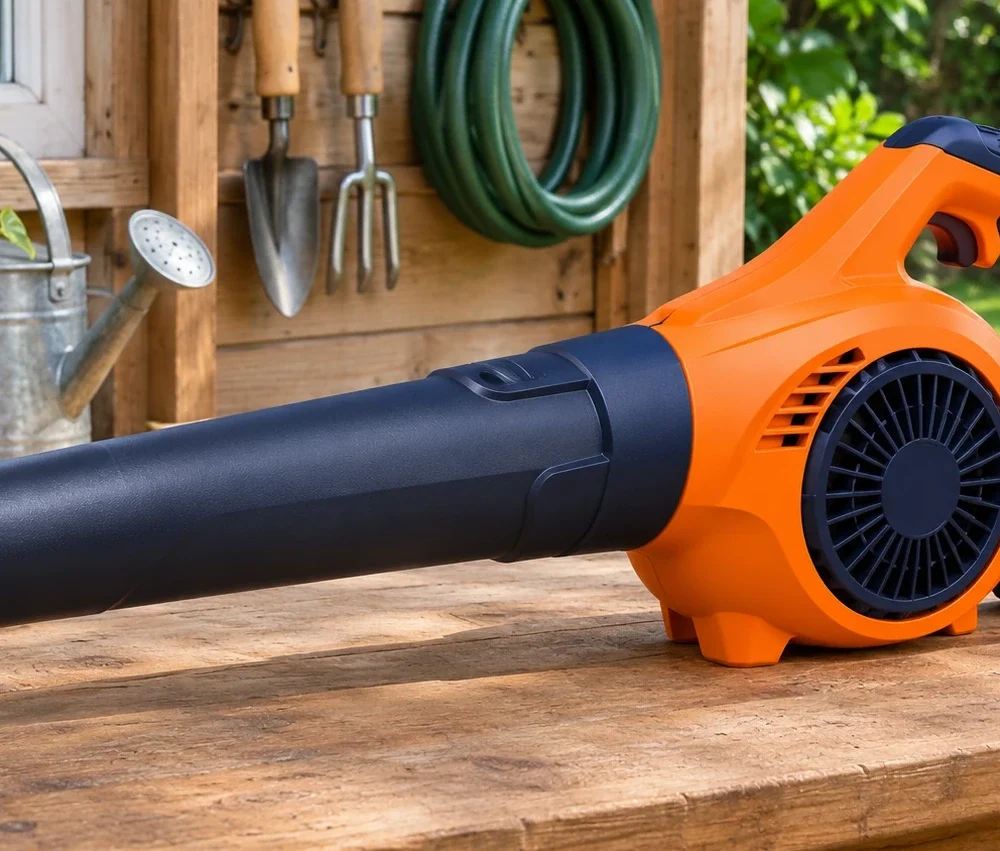
Leaf blower
Grounds and landscape equipment, Handheld blowers
Price on requestquoted FOB Qingdao Read more -
SKU N28
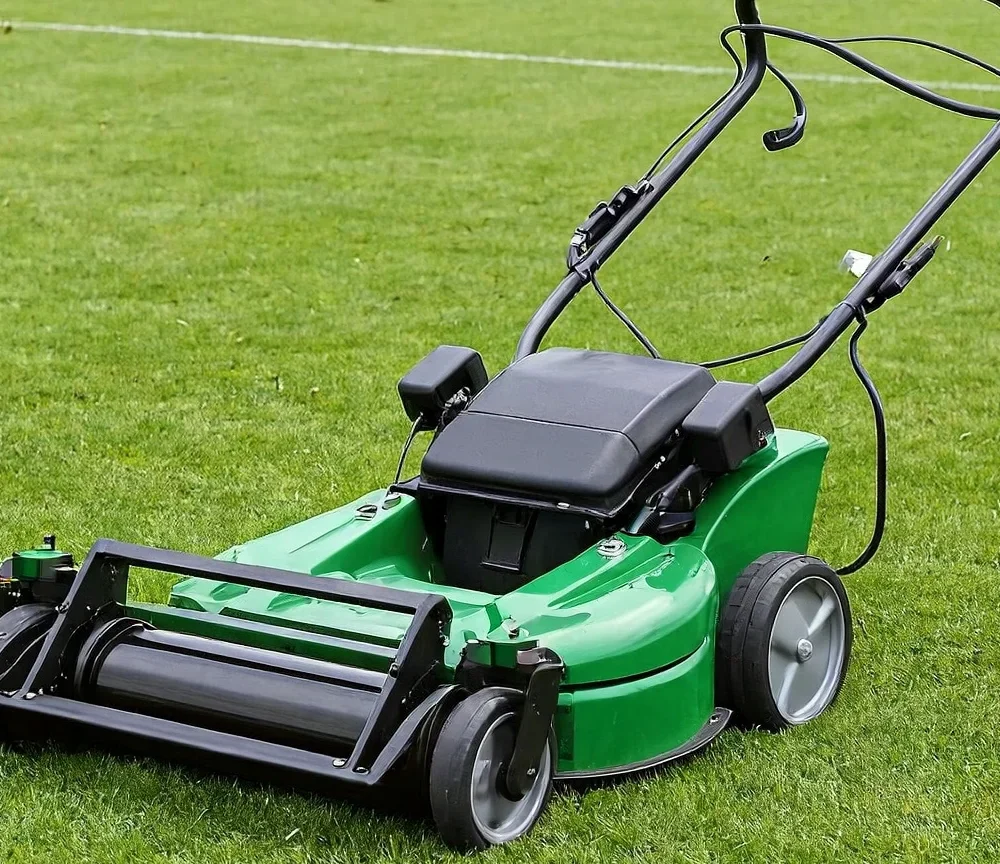
Walk-Behind Reel Sports Turf Mower
Grounds and landscape equipment, Remote and specialist mowers
$5,830per unit · FOB Qingdao Add to cart -
SKU G06
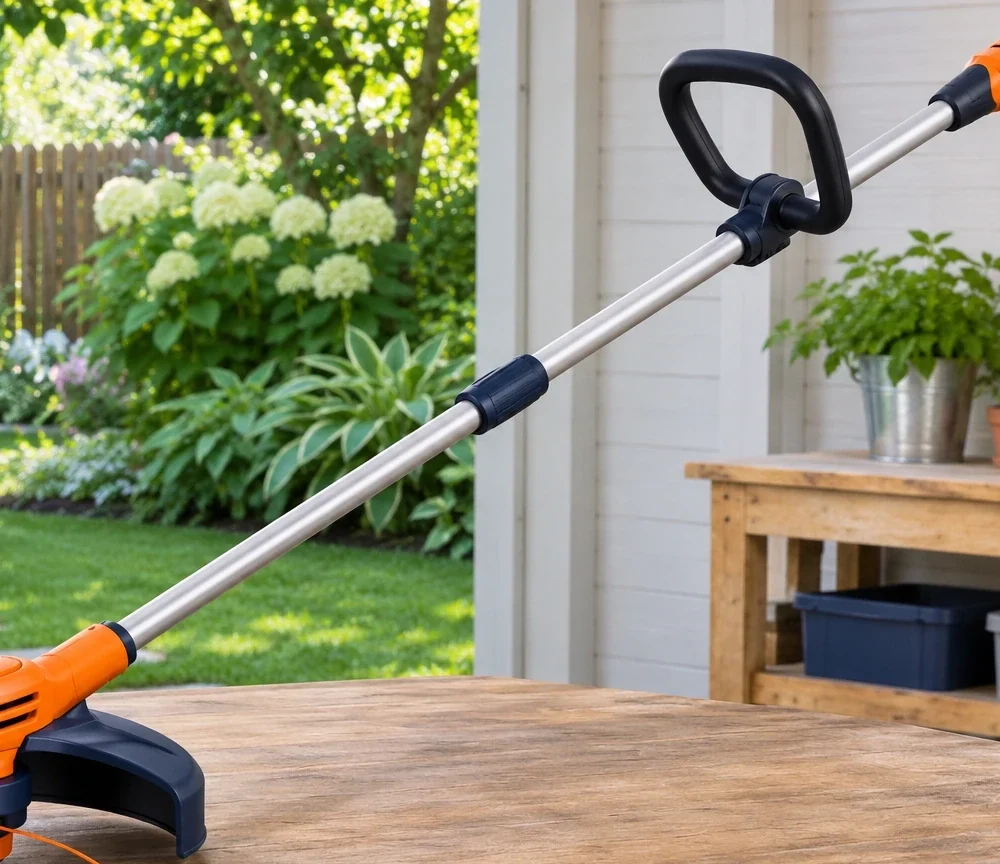
String trimmer
Grounds and landscape equipment, Handheld hedge and grass trimmers
Price on requestquoted FOB Qingdao Read more